Their Story
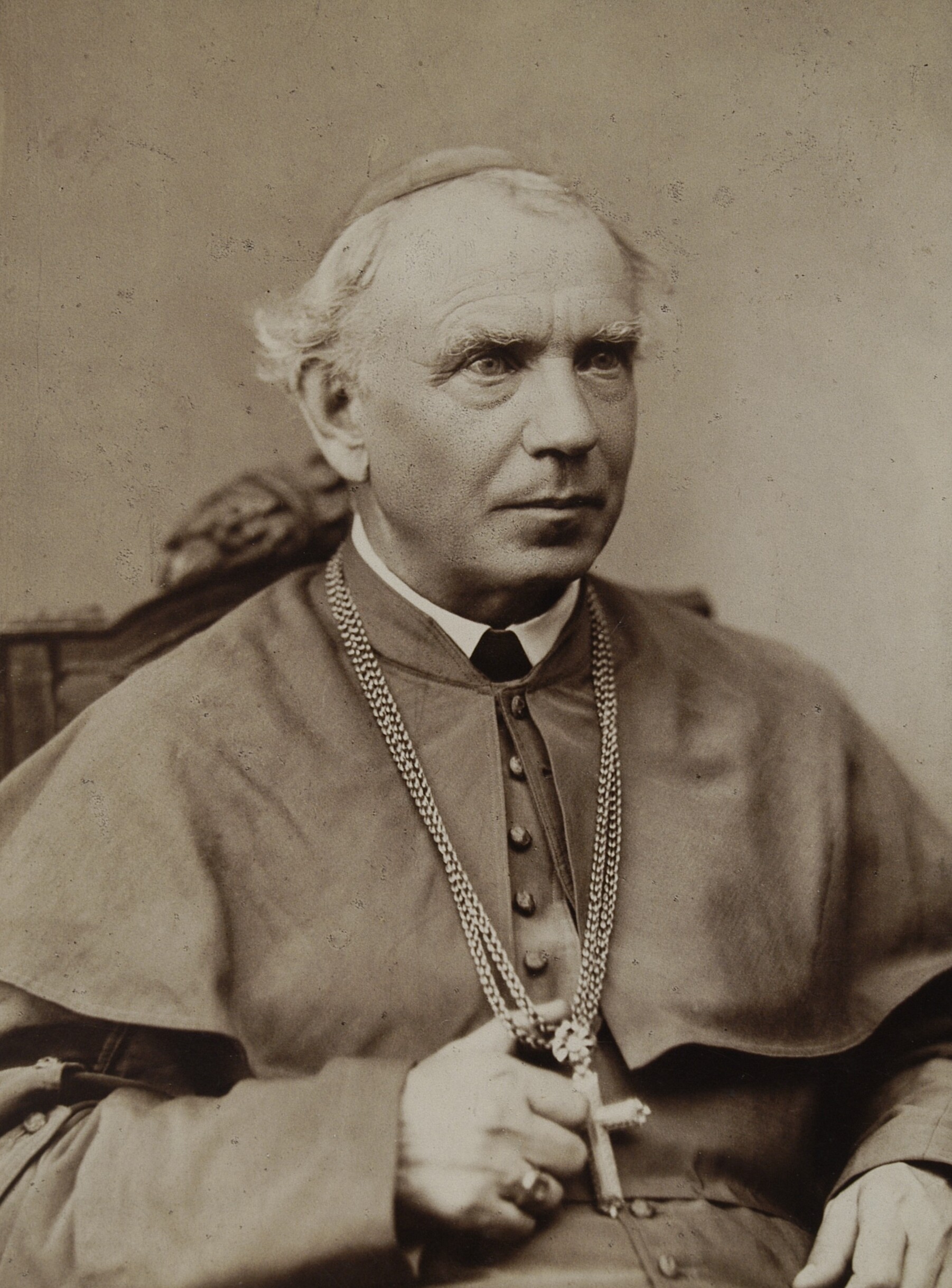
Born into privilege in 1822 Ukraine, Zygmunt Feliński seemed destined for ecclesiastical success. A brilliant scholar, he rose to professor at Saint Petersburg's Roman Catholic Theological Academy—respected, secure, comfortable. Then came his appointment as Archbishop of Warsaw in 1862, and everything changed.
When Tsar Alexander II demanded he suppress Polish Catholicism and bend the Church to imperial will, Feliński faced an agonizing choice: comply and keep his position, or refuse and lose everything. He chose conscience over comfort. For his defiance, he was arrested, stripped of his title, and exiled to remote Yaroslavl for twenty brutal years. Imagine: a man at the height of his influence suddenly isolated, silenced, powerless.
But exile became his crucible. Instead of bitterness, Feliński discovered radical compassion. He founded the Franciscan Sisters of the Family of Mary to serve Warsaw's poorest—orphans, the sick, the abandoned. He taught that true authority comes not from titles or thrones, but from kneeling beside the suffering. His years of forced silence taught him to listen deeply. His powerlessness became his greatest strength. When finally freed, he returned to Warsaw transformed—not as a triumphant victor, but as a humble servant whose scars had opened his heart. He spent his remaining years proving that what the state tried to destroy through exile, God had actually refined into holiness.
Why People Pray to Zygmunt Szczęsny Feliński
Saint Zygmunt answers the prayers of those facing injustice, persecution, or conscience-driven choices that demand sacrifice. He intercedes for the exiled, the silenced, and those pressured to compromise their values for survival. In our age of political turbulence and institutional corruption, he inspires courage. People also invoke him when struggling to transform anger into compassion, to find meaning in suffering, or to serve the forgotten without seeking recognition.
Lasting Impact
Feliński's legacy is twofold: institutional and spiritual. The Franciscan Sisters of the Family of Mary continue his mission across continents, serving vulnerable populations he pioneered. More profoundly, he modeled a spirituality where powerlessness becomes liberation. Canonized in 2009, he remains a beacon for those choosing integrity over comfort, proving that exile and suffering, when surrendered to grace, birth unspeakable holiness.