Their Story
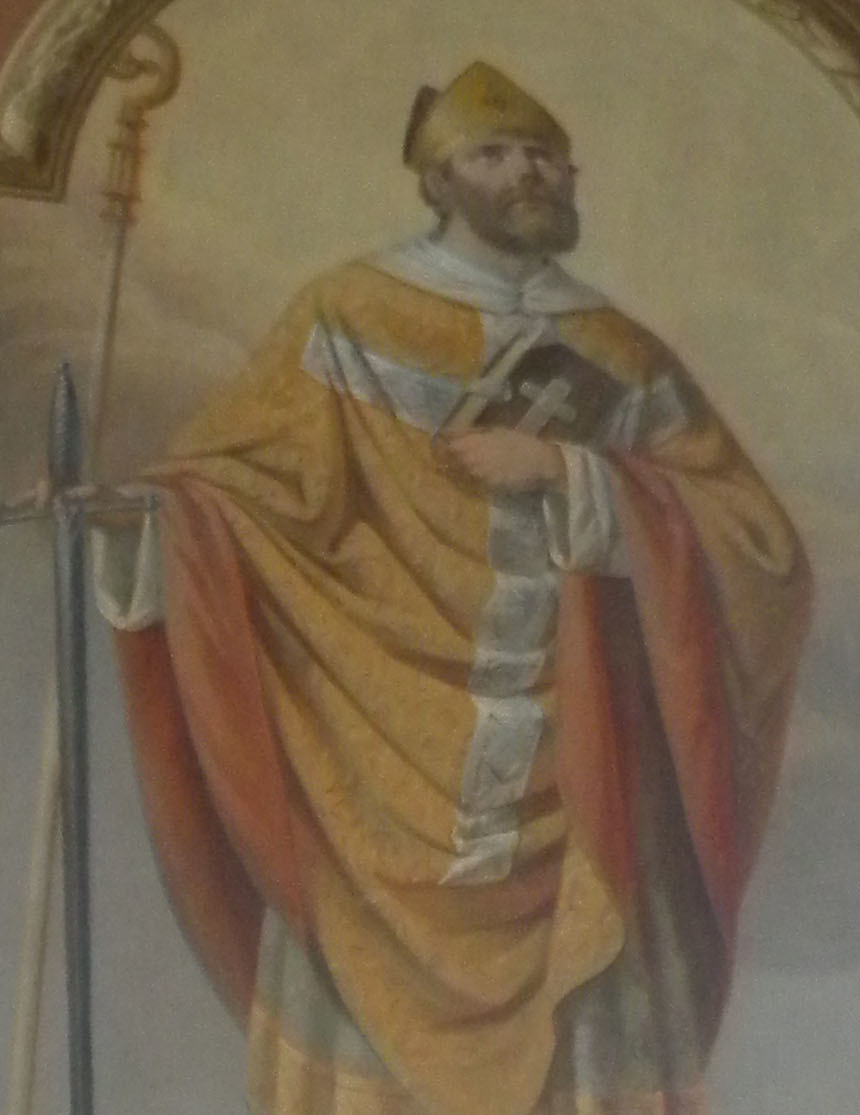
Victorinus began his life as a man divided against himself. Born in Roman Greece, he was trained as an orator—a pursuit that promised prestige, influence, and the admiration of crowds. He was fluent in Greek, eloquent in rhetoric, comfortable in the world's games. Yet something gnawed at him. The more he climbed the ladder of worldly success, the emptier it felt. His words impressed audiences, but they didn't satisfy his soul.
When he encountered Christianity, Victorinus faced a peculiar crisis: he was a Greek speaker in a Church that desperately needed Latin theological voices. His linguistic weakness—his struggle with Latin composition—became his greatest asset. Rather than retreat into what he did well, he chose the harder path. He became the first theologian to write serious biblical commentary in Latin, producing exegetical works on Genesis, Exodus, Isaiah, and Ezekiel. His style may have been rough (even Jerome noted this), but his insights were profound.
For decades, Victorinus poured himself into understanding Scripture, serving as Bishop of Poetovio in Pannonia (modern Slovenia). He wrote against the heresies that threatened his flock. He built a legacy of faithful scholarship. Then came 303 AD—Diocletian's persecutions. Victorinus, now an old man, faced the ultimate test. He was martyred not for miraculous visions or dramatic conversions, but for the quiet heroism of a scholar who chose truth over comfort, Scripture over silence. His death sealed what his life had proven: that transformation comes not from denying our struggles, but from offering them to something greater.
Why People Pray to Victorinus of Pettau
Victorinus speaks to anyone who feels inadequate in their calling—the perfectionist haunted by imperfection, the intellectual wrestling with doubt, the person whose gifts never quite fit the mold they're expected to fill. He teaches that our limitations are not obstacles to God's work; they are invitations to rely on grace. People pray to him when facing persecution for their faith, when struggling to communicate truth in an alien culture, and when tempted to abandon difficult work because it feels insufficient.
Lasting Impact
Victorinus pioneered Latin Christian theology, proving that the Church's intellectual life need not be confined to Greek. His commentaries influenced centuries of biblical scholarship. More profoundly, he modeled how a life of disciplined study, personal honesty about weakness, and steadfast faith under pressure creates an enduring witness. His feast day (November 2) reminds the Church that martyrdom takes many forms—sometimes violent, sometimes the slow, faithful work of a scholar's pen.