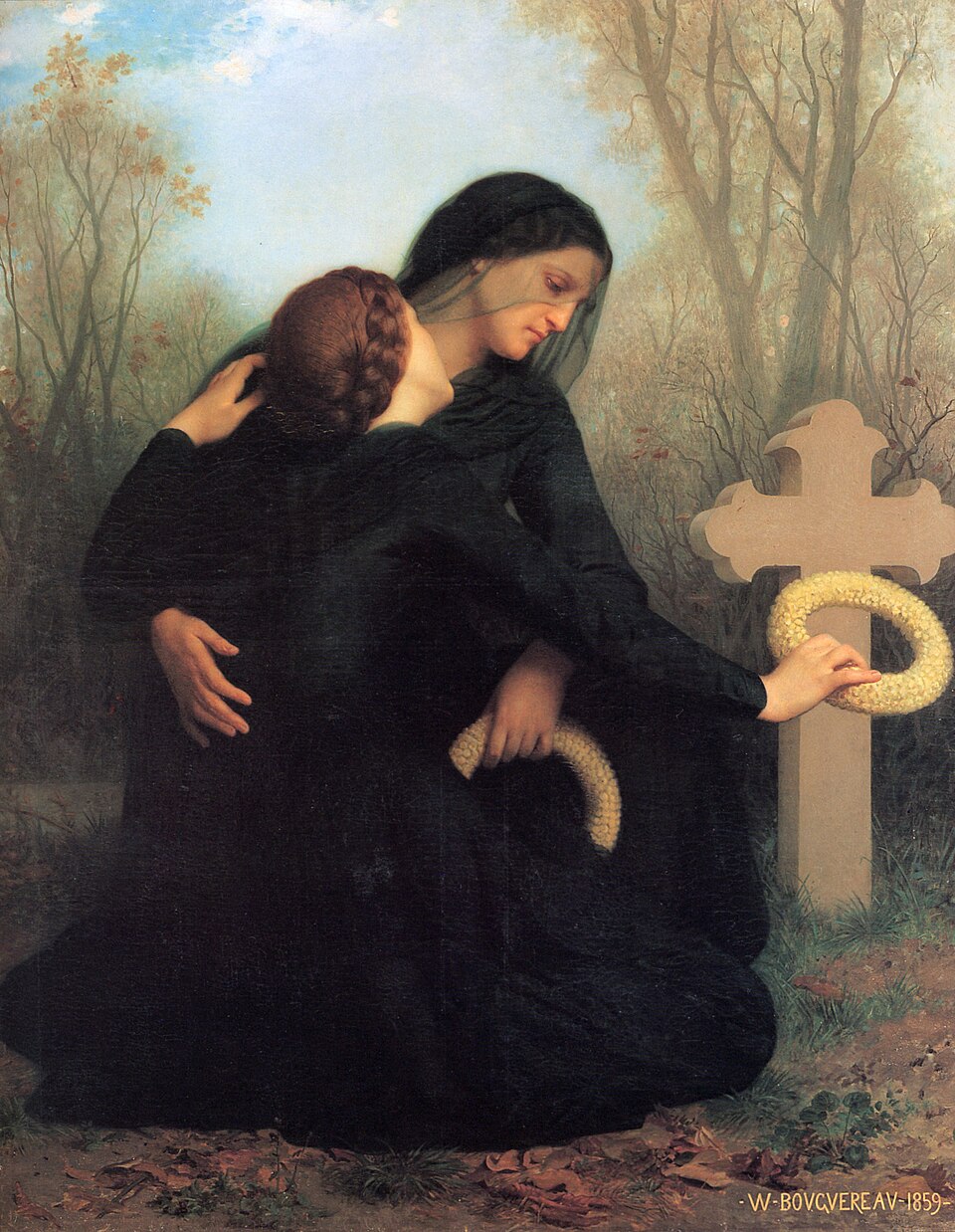
Their Story
In the 10th century, Benedictine Abbot Saint Odilo of Cluny faced a problem that haunted medieval Christianity: spiritual anxiety. Believers wrestled with unbearable doubt. If you died with minor sins unforgiven, were you damned eternally? The Church had no clear answer. Families lived with crushing uncertainty—was their beloved in torment? Odilo himself grappled with this theological wilderness, understanding the paralysis it created in faithful hearts.
But Odilo refused to leave his people in darkness. Around 998 CE, he made a revolutionary decision: he institutionalized intercessory prayer for all the faithful departed. Not just saints. Not just the wealthy who could afford masses. Everyone. He established November 2nd as a day when the entire monastery would pray for souls in purgatory—those caught between earth and heaven, awaiting purification. This wasn't theology pulled from air; it was pastoral mercy born from witnessing real grief.
What Odilo understood—and what transformed everything—was that remembrance itself is an act of love that transcends death. By praying for the dead, the living participate in their healing. By visiting graves, lighting candles, speaking names aloud, we refuse the finality of forgetting. This practice spread like wildfire through Christendom. Within centuries, All Souls' Day became a universal observance. Odilo had taken humanity's deepest fear—that we vanish unmourned—and converted it into a sacrament of eternal connection.
Why People Pray to All Souls' Day
All Souls' Day speaks to our unfinished grief. In a culture obsessed with moving on, this day gives permission to remember—to speak names, to question, to hold space for those we've lost. People pray to this observance when guilt haunts them (Did I do enough? Did they know I loved them?), when they feel spiritually stranded after loss, or when they sense a loved one still needs their prayer. All Souls' Day reminds us: love doesn't end at death. Our intercession matters.
Patron Saint Of
Lasting Impact
All Souls' Day transformed how billions mourn. By institutionalizing prayer for the departed, Odilo shifted Christianity from spiritual abandonment to eternal communion. Today, Catholics, Orthodox, Anglicans, and Methodists honor this day. It stands as proof that a single act of compassionate imagination—refusing to forget—can reshape how humanity honors its dead and understands the reach of love.
Where Venerated
- many European countries with vigils, candles, the decoration of graves, and special prayers as well as many regional customs