Their Story
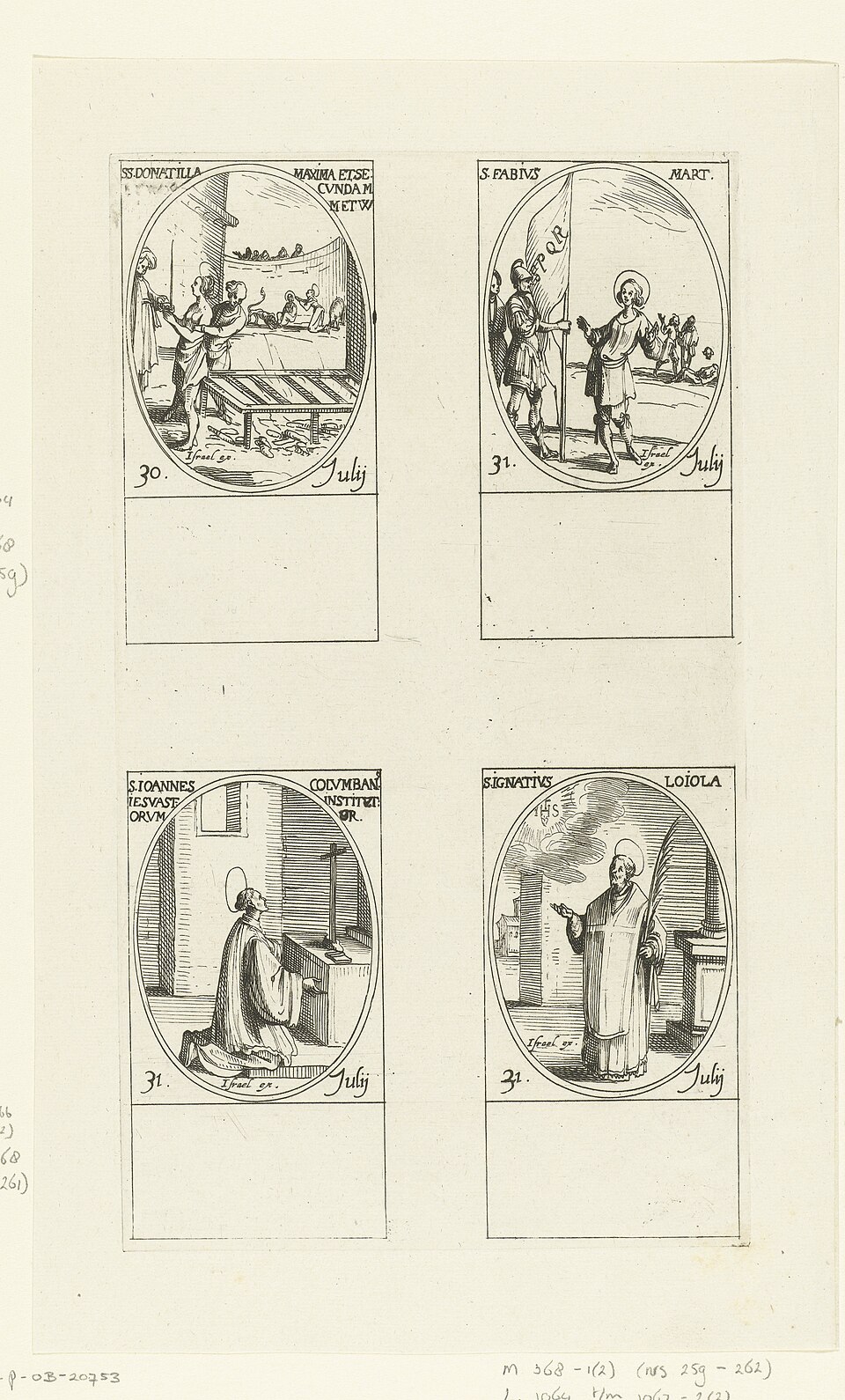
Maxima was only fourteen. Donatilla and Secunda were her companions—young women living in Tuburga (modern Tunisia) during an era when being Christian meant risking everything. They weren't warriors by training or mystics by calling. They were ordinary girls facing an ordinary fear: the threat of torture and death if they refused to abandon their faith.
When Emperor Valerian's persecution reached their city around 257 AD, the three friends faced a choice that tested everything they believed. Roman authorities offered them an escape route: renounce Christ, and live. It was a practical proposition. They were young. They had their whole lives ahead. No one would blame them for survival.
But something deeper moved in their hearts. Not blind fanaticism—rather, a clarity that some truths cannot be compromised, some loves cannot be betrayed. When soldiers came, the girls refused. What followed was brutal: they were scourged, tormented, rubbed with lime, burned on gridirons, attacked by wild beasts. Through each torment, they held steady. Their final act was execution by beheading—a brutal end to brief lives that somehow became immortal.
What makes their story haunting is this: they weren't canonized for supernatural visions or miraculous healings. They were canonized for simply saying no. No to fear. No to compromise. No to the voice inside that whispers, 'Just give in; it's not worth it.' In a world where they had every reason to falter, they didn't. Three ordinary girls became extraordinary witnesses to the power of conviction.
Why People Pray to Maxima, Donatilla, and Secunda
People turn to Maxima, Donatilla, and Secunda when facing impossible choices—moments demanding unwavering integrity. They speak to anyone pressured to abandon their values for safety, acceptance, or survival. In modern contexts of workplace compromise, social pressure, or spiritual doubt, these saints remind us that some things matter more than comfort. They intercede for the young, the vulnerable, and the afraid—those who feel alone in standing firm.
Lasting Impact
The three virgins of Tuburga remain among the few named victims of Valerian's persecution whose stories survived. Venerated in both Eastern Orthodox and Catholic traditions since the early Church, they represent the countless unnamed martyrs of Roman Africa. Their feast day (July 30) continues as a reminder that ordinary people—especially the young—possess extraordinary spiritual strength.