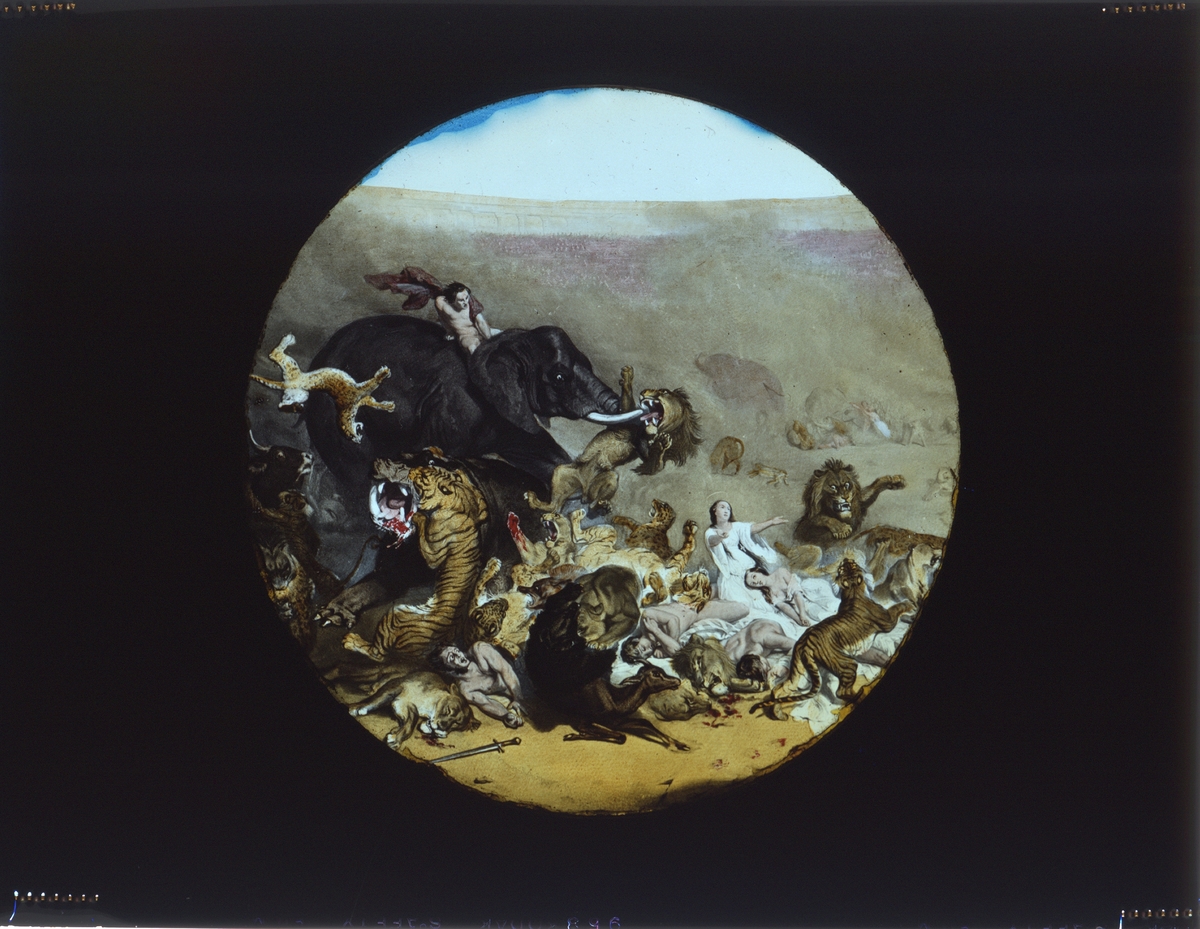
Their Story
Martyrs Day is not one person's story—it's humanity's reckoning with an ancient question: When do you say no? The martyrs honored on this day were ordinary people who faced an impossible choice. They were soldiers who could have retreated. Revolutionaries who could have compromised. Victims of persecution who could have hidden their faith, their ethnicity, their beliefs. They struggled. They doubted. Some were afraid.
Qemal Stafa, assassinated by Italian fascists in 1942 Albania, was a young man who watched his country consumed by tyranny. He could have accepted it—survival is instinct. Instead, he chose to resist, knowing the price. Ahmad Shah Massoud in Afghanistan, murdered in 2001, spent decades fighting for freedom in a land torn apart by competing powers. The Armenian Genocide victims had no choice at all—they were targeted simply for existing.
What transforms ordinary fear into extraordinary courage? These martyrs discovered something deeper than self-preservation: the conviction that some things matter more than life itself. Their deaths became seeds. Martyrs Day exists because their sacrifice couldn't be erased or forgotten. From May 5 in Albania to September 9 in Afghanistan, from April 24 in Armenia to Anzac Day in Australia, entire nations pause to say: *You mattered. Your choice meant something.*
They didn't become saints by being fearless. They became witnesses by refusing to look away.
Why People Pray to Martyrs Day
In a world of compromise and comfortable silence, people pray to the spirit of the martyrs when facing their own impossible choices. Do I speak up at work? Do I stand for someone being silenced? Do I risk comfort for conscience? The martyrs teach that bearing witness—even when costly—creates meaning. People turn to Martyrs Day when they need permission to be brave, when they're wondering if their small act of resistance matters. The answer echoes across centuries: it always does.
Lasting Impact
Martyrs Day transformed individual deaths into collective memory and moral anchors. Across six continents, these remembrances refuse to let power forget the price of tyranny. They tell new generations that conscience is not negotiable, that standing for truth carries weight, and that the dead speak loudest through our willingness to remember—and to choose similarly.