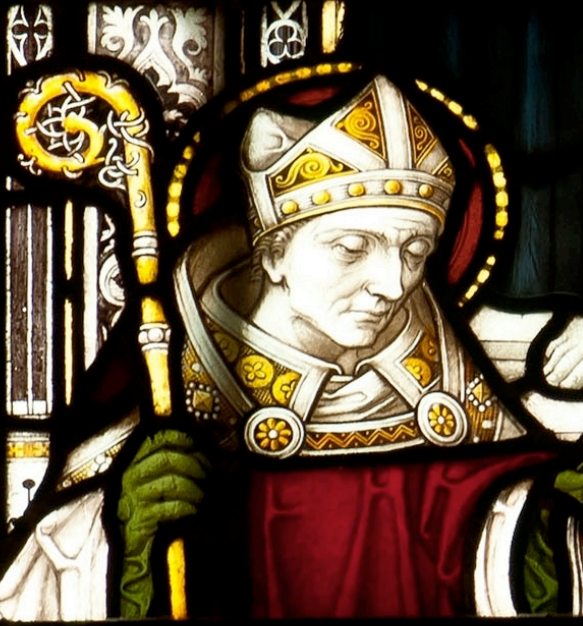
Their Story
Germanus began as a man of the world—a high-ranking Roman government official with authority, influence, and the comfort that comes with power. Yet something gnawed at him. The empire was collapsing around him; barbarian invasions threatened Gaul daily; the church seemed fractured and vulnerable. He felt the weight of a calling he couldn't ignore, but walking away meant losing everything he'd built.
So he did it anyway. Germanus abandoned his prestigious career, took vows as a bishop, and threw himself into the chaos of 5th-century Gaul with the same intensity he'd once used for politics. He personally confronted the barbarian king Goar to protect his people. He traveled dangerous roads through war-torn lands to Britain around 429 AD, on a mission few would dare attempt—to confront the theological heresy of Pelagianism that was spreading like a plague through post-Roman society.
What made Germanus remarkable wasn't that he never doubted or struggled. It was that he acted anyway. He received visions—Saint Alban revealed his martyrdom to Germanus in a dream—and he trusted them enough to record and share them. He used his administrative gifts not for personal gain but to organize the church's defense against spiritual corruption. In his final years, traveling to Rome on urgent business for the faith, he died far from home in Ravenna. A man who had everything chose to give it all away, and in that sacrifice, he became unforgettable.
Why People Pray to Germanus of Auxerre
People turn to Germanus when facing impossible choices between comfort and conviction. He speaks to those wrestling with career decisions, those called to serve but terrified of losing security, and those confronting spiritual corruption in their communities. In an age of collapsing institutions, Germanus reminds us that one person's courageous faith can ripple across generations. He intercedes for those who must act boldly despite uncertainty, and for leaders seeking wisdom in dangerous times.
Lasting Impact
Germanus's legacy shaped medieval Christianity. He helped establish the cult of Saint Alban, preserving crucial records of Britain's spiritual history. His life exemplified the 5th-century ideal of the bishop as both shepherd and warrior—a model that influenced church leadership for centuries. Today, he stands as the patron of those who abandon worldly power to serve something greater.