Their Story
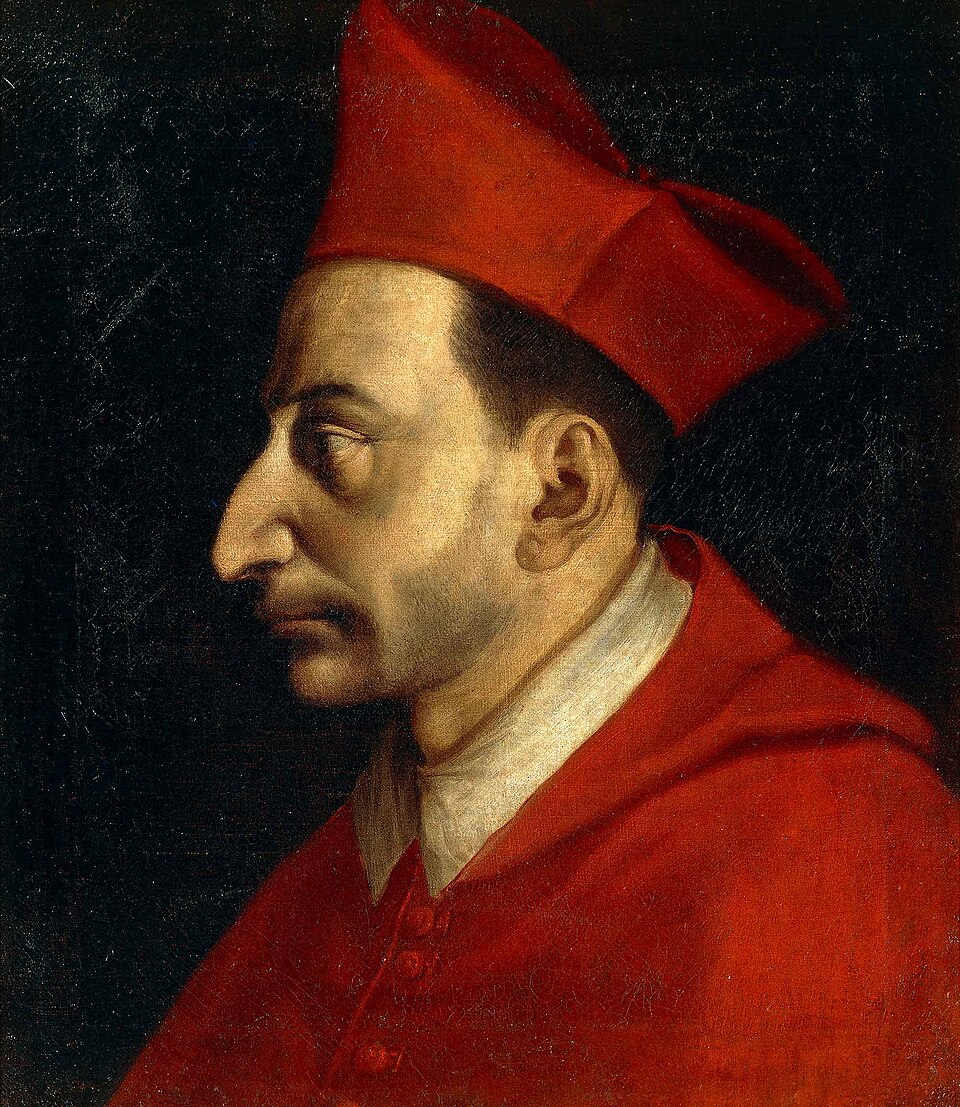
Charles Borromeo was supposed to have it all. Born in 1538 into one of Lombardy's most powerful families—his uncle was Pope Pius IV—he received every advantage: connections, wealth, ecclesiastical appointments handed to him at age twenty-one. Yet beneath the cardinal's scarlet robes lay a man tormented by the hollowness of his own position. He watched the Church hemorrhaging credibility, bishops living luxuriously while their flocks starved, seminaries producing priests who couldn't even read Latin properly. The weight of inherited expectation crushed him. How could he simply accept the corruption he saw everywhere?
Then came his awakening. Appointed Archbishop of Milan in 1564, Charles didn't retreat to the palace. Instead, he did something radical: he actually lived among his people. During the plague of 1576, while other clergy fled, he walked the plague-stricken streets, hearing confessions, burying the dead with his own hands. He established seminaries to train honest priests. He sold the Church's treasures to feed the hungry. He fasted so severely his body withered—contemporaries said his knees became calloused from constant prayer. He wasn't performing holiness; he was *becoming* it through exhausting, unglamorous work.
Charles died at forty-six, worn out by his own relentless reform efforts. But in those twenty years as archbishop, he proved something world-changing: that institutional corruption could be challenged from within, that privilege could be renounced, that one person's refusal to accept 'the way things are' could reshape an entire archdiocese. He died not rich and comfortable, but emptied of self—and that emptiness became his fullness.
Why People Pray to Charles Borromeo
People pray to Charles Borromeo when wrestling with systemic injustice and their own complicity in it. Teachers, administrators, and leaders facing institutional corruption turn to him for courage to speak truth despite personal cost. Those exhausted by performative religiosity find in Charles a model of authentic sacrifice. Parents pray to him when raising children in privilege, asking: how do I teach them that comfort isn't the point? He teaches us that real reform begins with personal accountability.
Patron Saint Of
Lasting Impact
Charles Borromeo became the template for pastoral reform in the Catholic Church. The seminaries he established—rigorous, accountable, focused on actual spiritual formation—became the gold standard across Europe. His Ambrosian Rite reforms, his insistence that bishops actually *live* in their dioceses, his radical redistribution of wealth: these weren't forgotten gestures. They became law. In the Counter-Reformation's messy politics, Charles proved that holiness and institutional change weren't opposites.