Their Story
Zenobios began as a physician in Aegae, Cilicia—a man trained to heal bodies, not souls. His gift for medicine was undeniable, but success brought a quiet crisis of conscience. As he witnessed suffering he could not cure, he wrestled with deeper questions: What was healing for? Who truly needed saving? His sister Zenobia watched him struggle, seeing the gap between his earthly practice and his spiritual hunger.
When Zenobios answered a higher calling and became bishop, the stakes changed. He wasn't just treating the sick anymore—he was challenging the Roman Empire itself by refusing to compromise his faith. The comfortable life of a respected physician evaporated. Diocletian's persecutions loomed, and Zenobios and Zenobia faced an impossible choice: renounce their God or face torture and death.
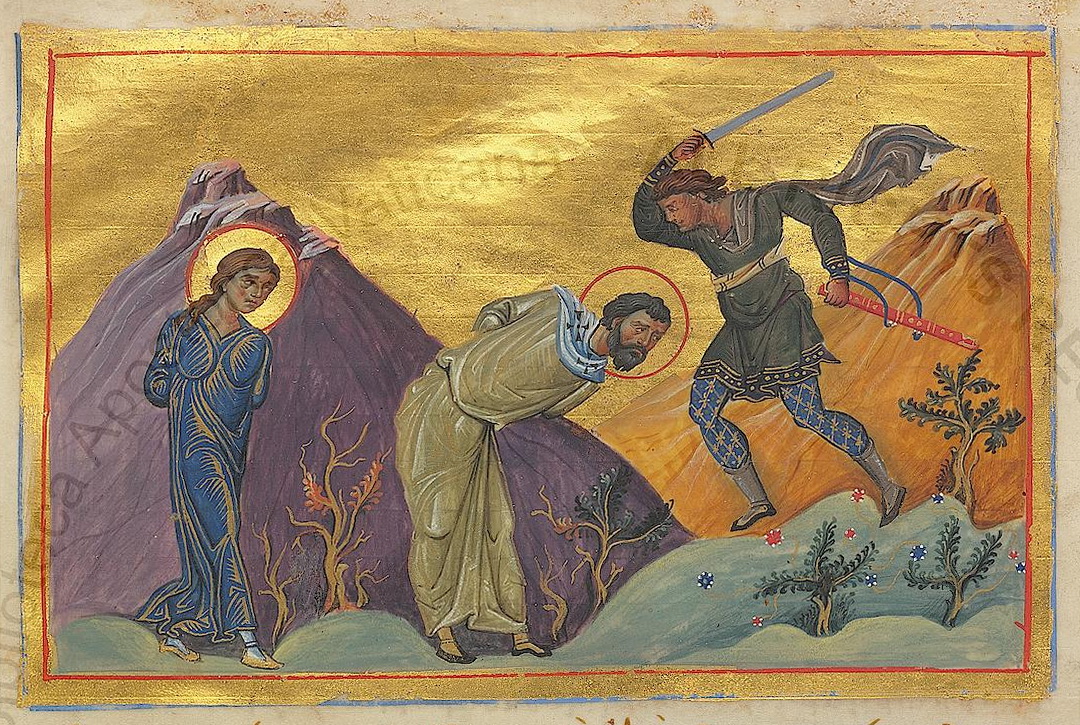
What emerged was not heroic fantasy but human transformation. These siblings didn't become saints through supernatural immunity to fear—they conquered it. Zenobia stood beside her brother through unspeakable suffering. When they were arrested, beaten, and finally beheaded around 290 AD, they went not as mythical figures but as real people who had already died to their old selves. Their choice wasn't between comfort and suffering; it was between a small life and an eternal one. In that moment, they became immortal.
Why People Pray to Zenobios and Zenobia
Today, people turn to Zenobios and Zenobia when facing persecution, injustice, or impossible moral choices. In a world that pressures us to compromise our deepest values for safety or success, these saints remind us that integrity matters more than survival. They intercede for the persecuted, for healthcare workers wrestling with their calling, and for siblings united in faith. Those facing religious discrimination, workplace hostility for their beliefs, or the choice between conscience and compromise find strength in their example.
Lasting Impact
Zenobios and Zenobia remain venerated across Eastern Orthodox and Catholic traditions, their feast day celebrated on October 30. They symbolize the power of sibling solidarity in faith and the courage required to resist systemic oppression. Their story endures because it answers the timeless question: What is a life worth living? They show that true healing comes not from avoiding suffering, but from facing it with uncompromising love.