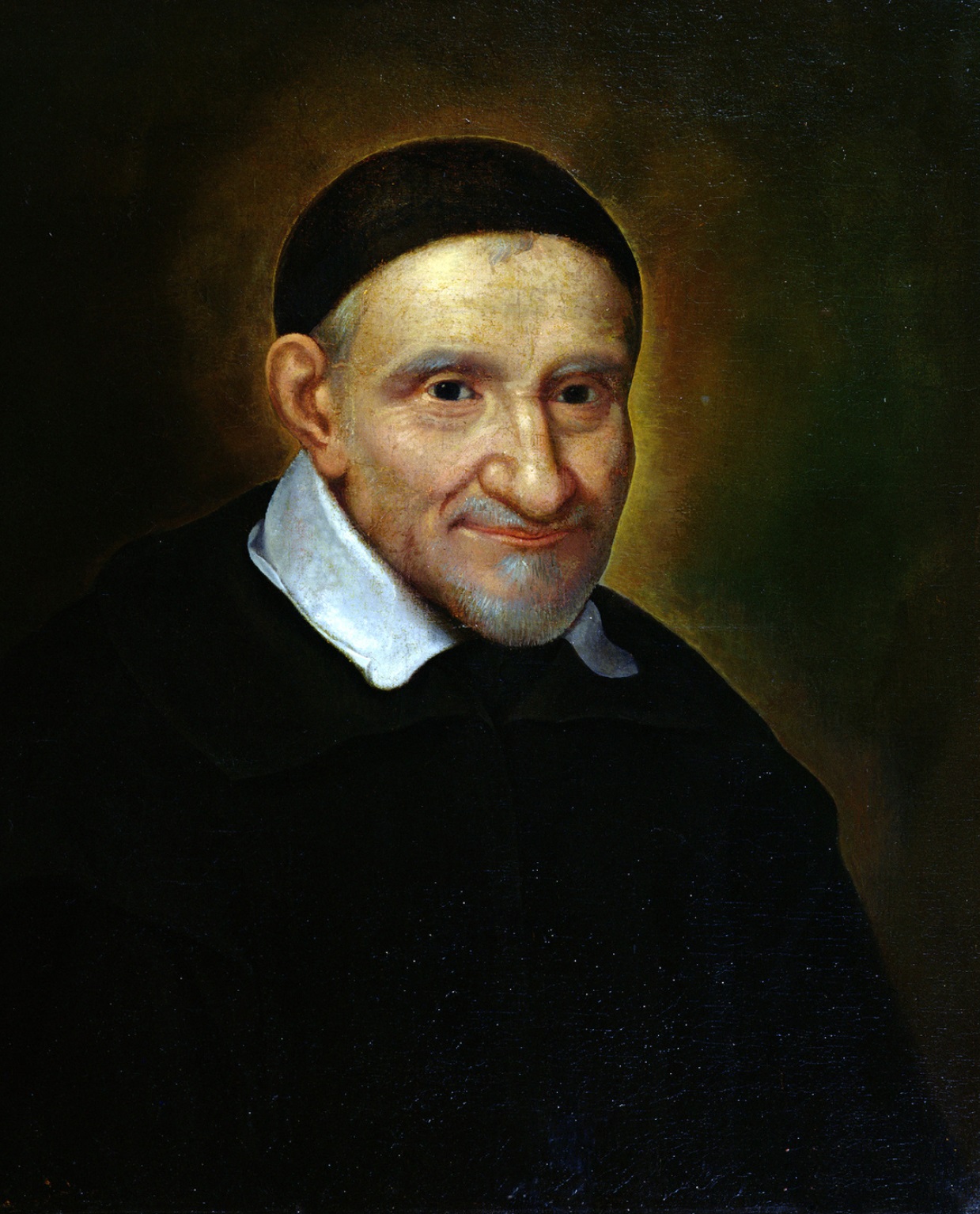
Their Story
Vincent de Paul began as an unremarkable young man climbing the social ladder, desperate for status and security. Ordained a priest at seventeen, he initially pursued wealth and position—the comfortable life of a well-connected clergyman. He felt the hollow ache of ambition; his early years were shadowed by self-interest and the gnawing fear that he was meant for something greater yet remained spiritually empty.
Everything shifted when Vincent encountered the poorest of Paris's forgotten: enslaved galley prisoners, abandoned children, plague-stricken peasants. The shock of their suffering cracked something open in him. Where he once saw obstacles to his advancement, he began seeing human faces—faces with names, stories, infinite worth. This awakening wasn't mystical or instant; it was a slow, painful recognition that his restless ambition had been asking the wrong questions.
Vincent channeled his organizational brilliance and tireless energy into founding the Congregation of the Mission and co-founding the Daughters of Charity. He didn't build monuments; he built systems of mercy. He trained priests to see the poor as Christ himself. He mobilized networks of caring people across France. His radical belief was simple and dangerous: that the poorest deserved not pity, but dignity, education, and full humanity. By his death at seventy-nine, Vincent had fundamentally altered how the Church understood its mission—not as retreat from the world, but as radical immersion in it.
Why People Pray to Vincent de Paul
People turn to Vincent de Paul when their hearts are broken by injustice, when they feel called to serve but overwhelmed by the magnitude of suffering, or when they struggle to balance ambition with genuine care for others. He understands the restless soul seeking purpose beyond personal success. His intercession steadies those doing difficult charity work, offering both practical wisdom and spiritual resilience for the long commitment to the forgotten.
Patron Saint Of
Lasting Impact
Vincent de Paul permanently transformed Catholic social teaching, moving charity from alms-giving to systemic justice. His organizations still serve millions globally. He modeled that holiness isn't separation from the world's pain but courageous immersion in it—a vision that continues inspiring activists, social workers, and ordinary people choosing mercy over comfort.