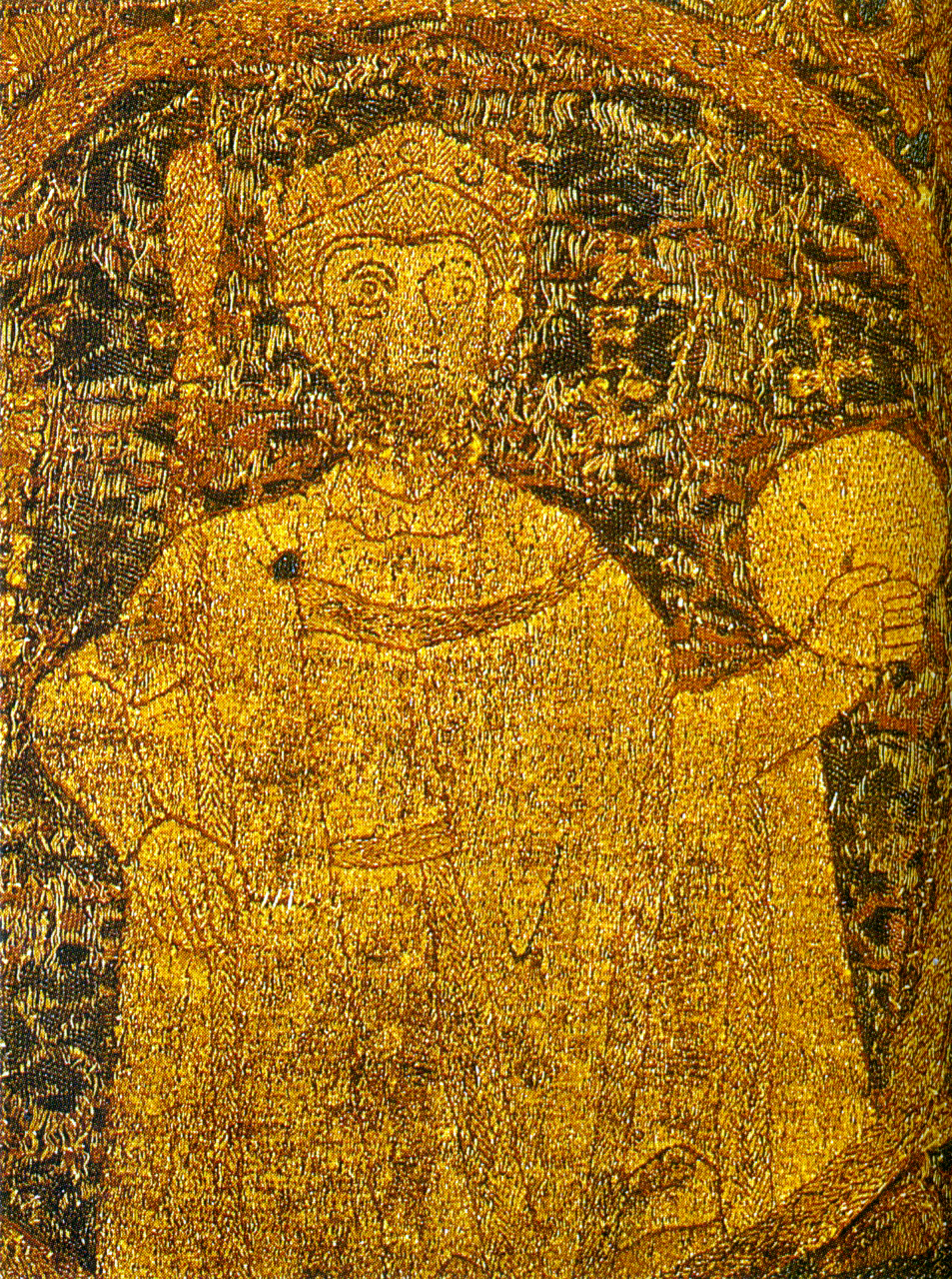
Their Story
Born Vajk around 975, Stephen inherited a Hungary still caught between pagan traditions and the seductive pull of Christian Europe. His father Géza had embraced baptism strategically, but young Stephen grew up straddling two worlds—trained as a warrior in a violent age, yet drawn toward faith he didn't fully understand. The tension was real: accept Rome's religion and risk losing Hungary's fierce independence, or cling to ancestral ways and watch his kingdom crumble under pressure from Christian neighbors.
Stephen's pivotal moment came when he married Gisela of Bavaria in 996, a union that forced him to choose. Rather than resist, he surrendered completely. At roughly age 25, he seized power from his uncle and made a radical decision: he would stake Hungary's entire future on Christianity. No halfway measures. No hedging bets.
What followed was extraordinary courage mixed with genuine doubt. Stephen faced fierce resistance from pagan nobles who saw him as a traitor to ancestral gods. He used force when necessary—he was still a warrior—but he also modeled something revolutionary: a king who ruled by moral authority, not just brutal power. He established monasteries, enforced Christian laws, and canonized his own son Saint Emeric as a spiritual heir. By 1031, barely three decades into his reign, he had woven Christianity so deeply into Hungary's identity that it became inseparable from nationhood itself. The pagan prince had become the foundation stone of Christian Europe, wrestling with doubt every step forward.
Why People Pray to Stephen I of Hungary
People turn to Stephen when facing radical life changes—career pivots, faith crises, moments demanding courage to abandon the familiar. He's patron of those caught between two worlds: immigrants navigating new cultures, converts exploring faith, leaders making decisions that ripple across generations. In our uncertain age, Stephen reminds us that sometimes transformation requires complete surrender, and that doubt doesn't disqualify us from building something sacred.
Patron Saint Of
Lasting Impact
Stephen's 38-year reign transformed Hungary from a pagan frontier into a stable Christian kingdom integrated into European Christendom. His legal reforms and monastery network became the template for Eastern European Christian civilization. Canonized in 1083, he remains Hungary's patron saint and symbol of courageous nation-building—a reminder that one person's spiritual conviction can reshape history for centuries.
Where Venerated
- Saint Adalbert