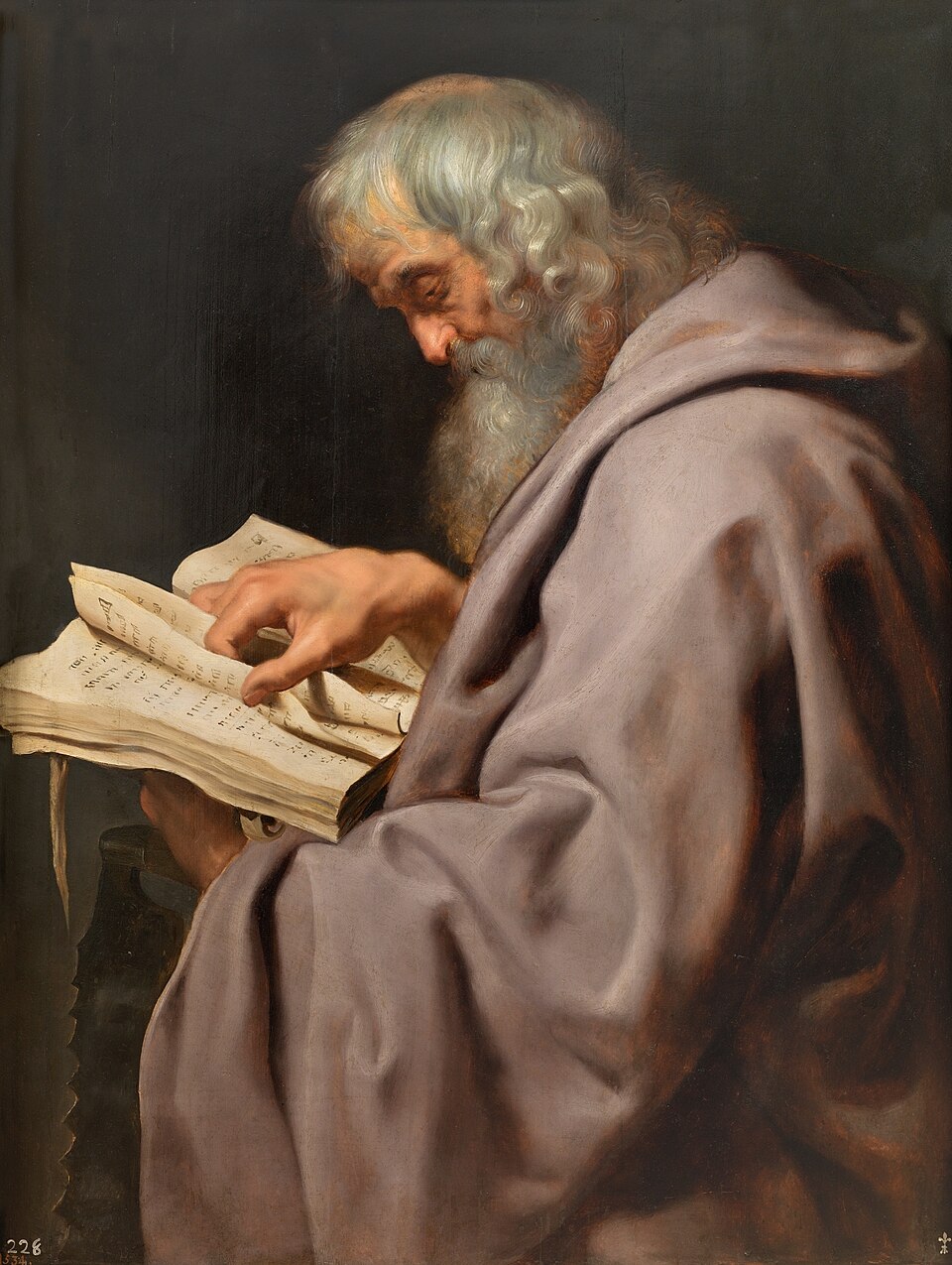
Their Story
Simon earned his name "the Zealot" because he lived it—a man ablaze with fury at Roman oppression, likely affiliated with the zealot movement that demanded violent resistance against occupiers. In first-century Galilee, his rage was justified. His people were crushed under imperial boots, their land plundered, their dignity stripped. Simon wanted revolution. He wanted blood.
Then he met Jesus.
This was the collision point—a man built for combat encountering someone preaching forgiveness for enemies. A nationalist hearing: "Love those who persecute you." It violated everything Simon understood about justice and loyalty. Yet something in Jesus' presence cracked open his certainty. The same intensity that fueled his zealotry began redirecting toward a different kind of fire: discipleship.
Simon spent years unlearning violence, relearning what strength truly meant. Traveling with Jesus meant witnessing miracles but also sitting beside tax collectors—collaborators he would have despised. It meant watching his Master wash the feet of the oppressed rather than lead them in armed uprising. The transformation wasn't instant. It was a slow rewiring of everything he believed about power.
After Pentecost, this former revolutionary carried the Gospel far—some traditions say to Britain, others to Persia. The man who once wanted to strike down Rome's soldiers now faced martyrdom with remarkable peace. Legend holds he died by the saw, his body literally divided, yet his spirit remained whole. The zealot's fire never extinguished; it simply found its true target: the liberation of human souls rather than conquest of nations.
Why People Pray to Simon the Zealot
People pray to Simon when trapped between conviction and compassion—when righteous anger threatens to consume them. He understands the zealot's heart: the activist paralyzed by rage, the justice-seeker burning out, the person whose passion has become poison. Simon intercedes for those learning that the fiercest love sometimes requires the deepest surrender. In our polarized age, he reminds us that transformation is possible, even for the most rigid among us.
Lasting Impact
Simon the Zealot models the revolutionary potential of converted passion. He proves that fervent belief doesn't require violence, that the most radical stance is often radical forgiveness. His patronage of laborers and artisans reflects his earthiness—never abandoning the physical world, but sanctifying it through dedicated service. He remains a patron for those channeling intensity into spiritual rather than political conquest.