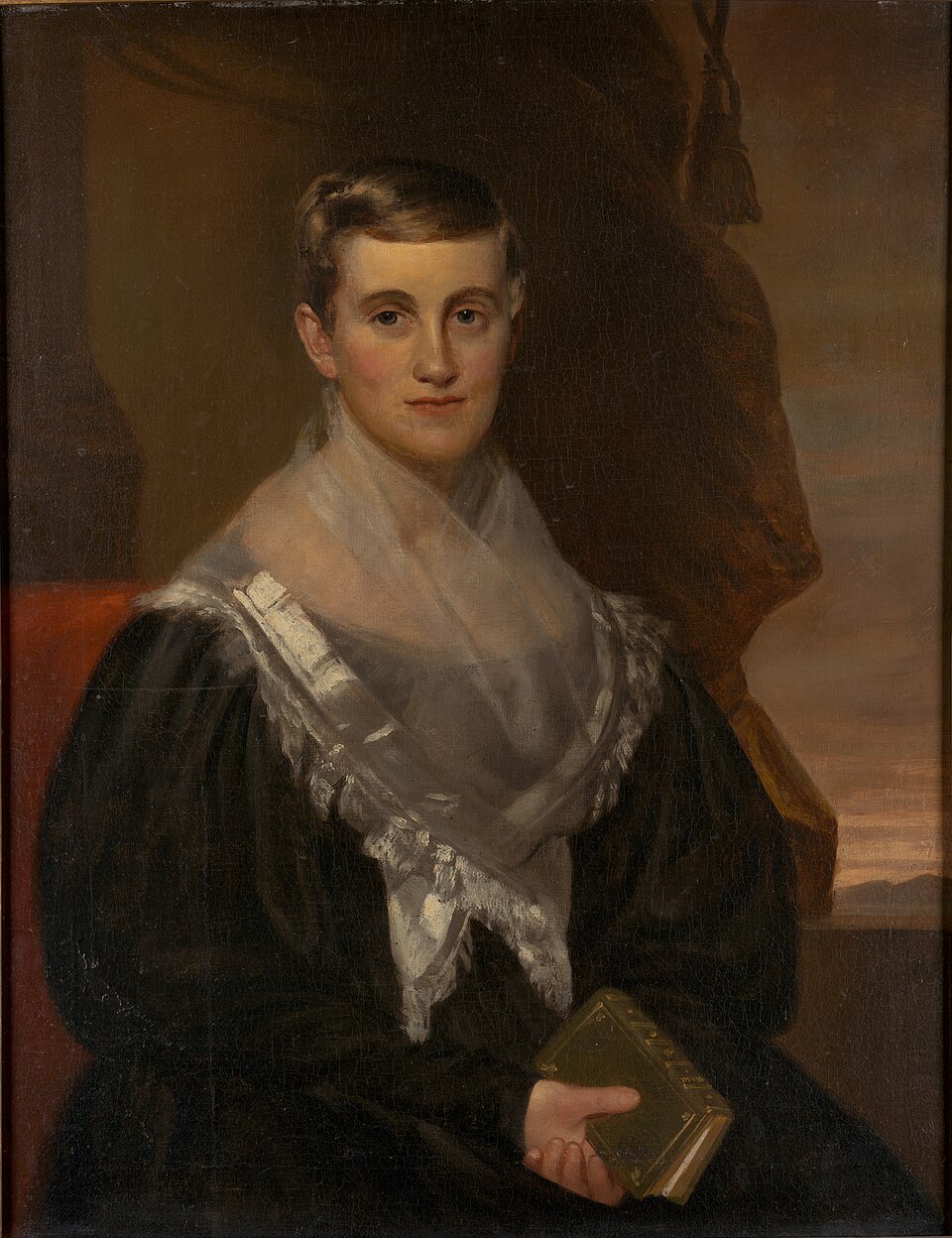
Their Story
Prudence Crandall was respected. In 1832 Canterbury, Connecticut, she ran a thriving girls' boarding school—a position of modest prestige and comfort. Then Sarah Harris, a 20-year-old Black woman, asked to enroll. It seemed simple enough. But when Crandall said yes, her world fractured. White parents withdrew their daughters immediately. Neighbors threatened her. The town passed a law specifically designed to shut her down. Arrest followed. Local violence intensified.
Most people would have backtracked. Crandall could have asked Sarah to leave, preserved her school, kept her standing. Instead, she made an impossible choice: she would transform her school entirely into an academy for Black girls. She believed—truly believed—that Black young women deserved the same education as white ones. This wasn't abstract principle for her; it was conviction lived in daily defiance.
The persecution escalated. She was arrested and jailed. Trials wore on. The threat of mob violence made it unsafe to continue. Yet she never abandoned her students or her vision. When she finally had to close the school and leave Connecticut entirely, she had already accomplished something profound: she had created the first integrated classroom in America and proven that one person's unwavering faith in human dignity could pierce through hatred. Her Quaker roots taught her that conscience matters more than comfort. She lived it completely.
Why People Pray to Prudence Crandall
People turn to Prudence Crandall when facing moral courage—when they must choose between safety and what's right. She intercedes for teachers, activists, and anyone standing alone against injustice. In our fractured age, she reminds us that quiet, persistent conviction can outlast rage. She helps those who fear speaking truth, showing that the cost of conscience is bearable when rooted in faith.
Lasting Impact
Prudence Crandall opened the first school for Black girls in America and created history's first integrated classroom—proof that educational justice was possible even in an era of slavery. Though Connecticut later honored her as a state heroine, her true legacy is spiritual: she demonstrated that one person's faithfulness to conscience can reshape the moral landscape of a nation.