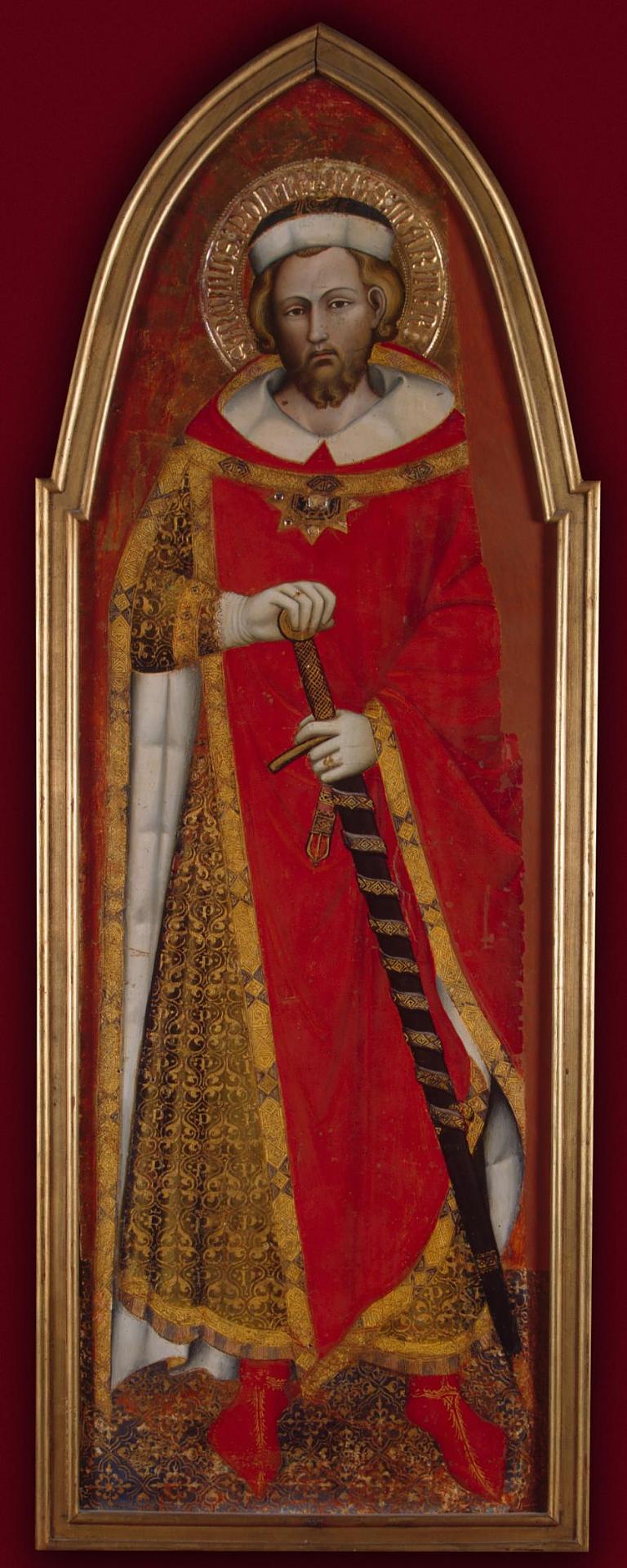
Their Story
Pontian inherited a Church fractured by eighteen years of schism. Rome was bleeding from internal conflict—competing voices, fractured authority, faithful questioning who to follow. As the newly elected Pope in 230, he carried the weight of healing a wound that felt impossible to close. The responsibility was crushing. How could one man restore unity when bishops disagreed and Christians were already losing faith in their own leadership?
Then in 235, Emperor Maximinus Thrax unleashed savage persecution. Pontian wasn't just a figurehead anymore—he was hunted. Arrested and deported to Sardinia's brutal mines, stripped of everything, facing a slow death in exile, Pontian made a radical decision that changed everything. He chose to abdicate. Not from cowardice, but from clarity: his imprisonment meant the Church couldn't elect a new pope. The schism would live on. So in his suffering, he let go of power itself.
This wasn't defeat. It was genius. By resigning on September 28, 235, Pontian became the first pope to voluntarily step down—and in doing so, he freed the Church to heal. His successor could lead without the shadow of his captivity. The eighteen-year schism ended. Even in the mines of Sardinia, beaten and dying within weeks of arrival, Pontian's greatest act of courage was knowing that sometimes the most powerful thing a leader can do is step aside. He transformed his prison into a gift.
Why People Pray to Pope Pontian
People turn to Pontian in moments when they must choose between control and compassion. When leaders face impossible decisions—whether to hold on or let go—his example whispers: sometimes sacrifice means releasing what you love. He speaks to those navigating institutional conflict, personal persecution, and the terrifying wisdom of knowing when to surrender. In our age of power-clinging, Pontian reminds us that true strength lies in serving something larger than ourselves.
Lasting Impact
Pontian's abdication established a revolutionary precedent: that papal authority could be voluntarily relinquished for the Church's greater good. He broke an eighteen-year schism through his own selfless step back from power. His willingness to die in exile rather than cling to his seat made him a martyr and a mystic—proving that sometimes the most transformative leadership happens through surrender, not dominion.