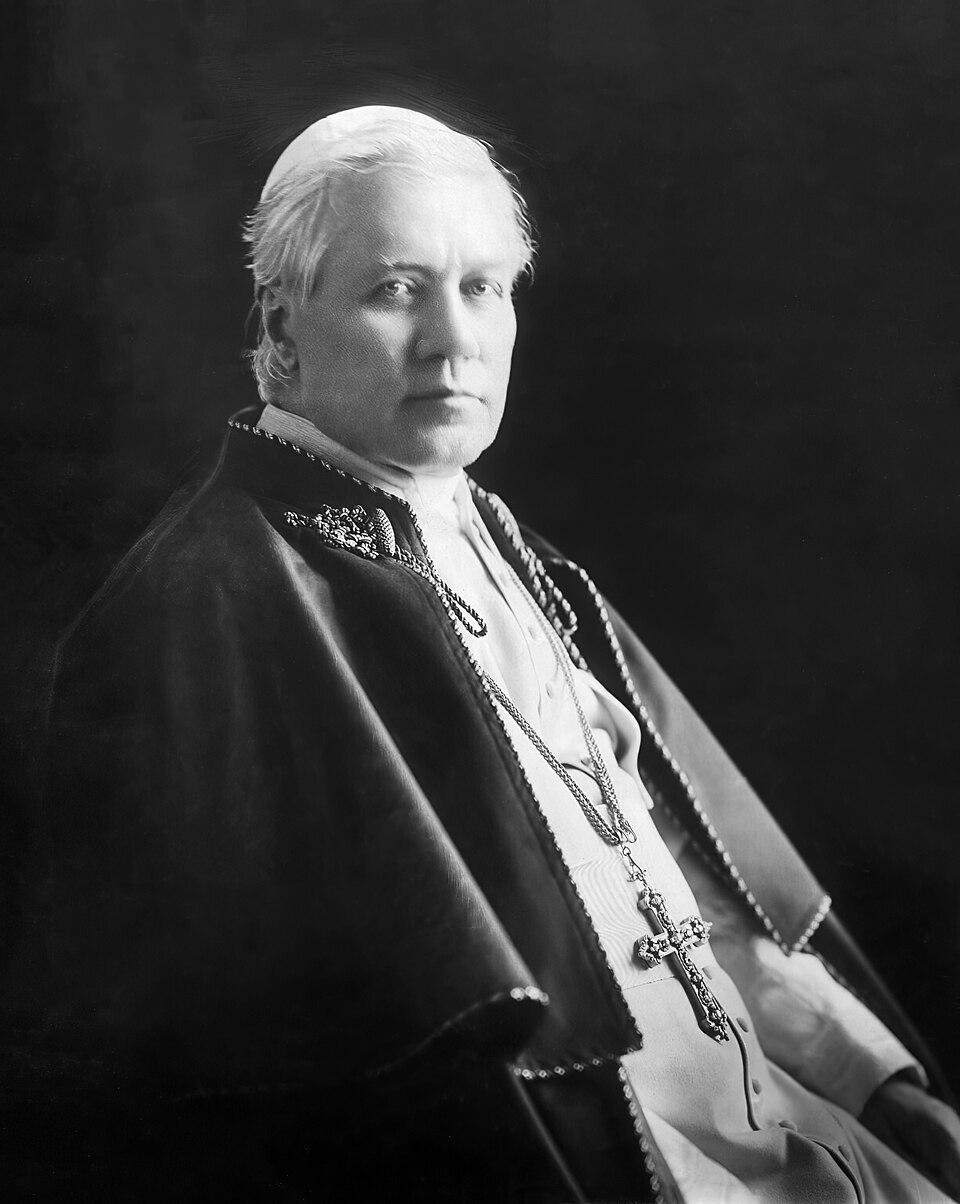
Their Story
Giuseppe Melchiorre Sarto was nobody's idea of a future pope. Born in 1835 to a poor family in rural Lombardy, he was a parish priest who lived humbly, even awkwardly in the grand corridors of power. For decades, he remained in small parishes and modest dioceses—not because of brilliance, but because of his genuine discomfort with ambition. He struggled with the political complexities of the Church, preferring the simple clarity of tending to souls over navigating Vatican intrigue.
Yet when Pius X reluctantly ascended to the papacy in 1903, something shifted. This unassuming priest—now 68 years old—discovered his life's true calling wasn't hidden away in villages. He launched sweeping reforms with an almost stubborn clarity, driven by a single motto: *Instaurare omnia in Christo*—restore all things in Christ. He democratized the Eucharist, lowering the age of first communion so children could know Christ intimately. He reformed seminary training. He defended the faith against modernism with unflinching conviction, even when it cost him politically.
His power came not from charisma or cunning, but from an unshakeable belief that holiness demands action. Until his death in 1914, this former village priest showed the world that obscurity is not failure—it's often preparation. His transformation teaches us that our greatest purpose may emerge not from our strengths, but from our willingness to be broken open by grace.
Why People Pray to Pope Pius X
Pius X is the patron saint of those called to lead from unexpected places—the quiet person thrust into visibility, the humble soul facing impossible responsibilities. People pray to him when doubt whispers that they're not enough, when they must choose conviction over comfort, when they yearn to restore something sacred in a broken world. He reminds us that holiness isn't about being naturally gifted; it's about saying yes when God asks.
Patron Saint Of
Lasting Impact
Pius X's reforms fundamentally reshaped Catholic practice for generations. His emphasis on frequent Eucharistic communion, seminary excellence, and doctrinal clarity created a Church more accessible to ordinary believers while maintaining spiritual rigor. He was canonized in 1954—one of the fastest canonizations in history—affirming that quiet, persistent holiness changes the world.
Where Venerated
- Catholic Church
- numerous parishes in Italy, Germany, Belgium, Canada, and the United States