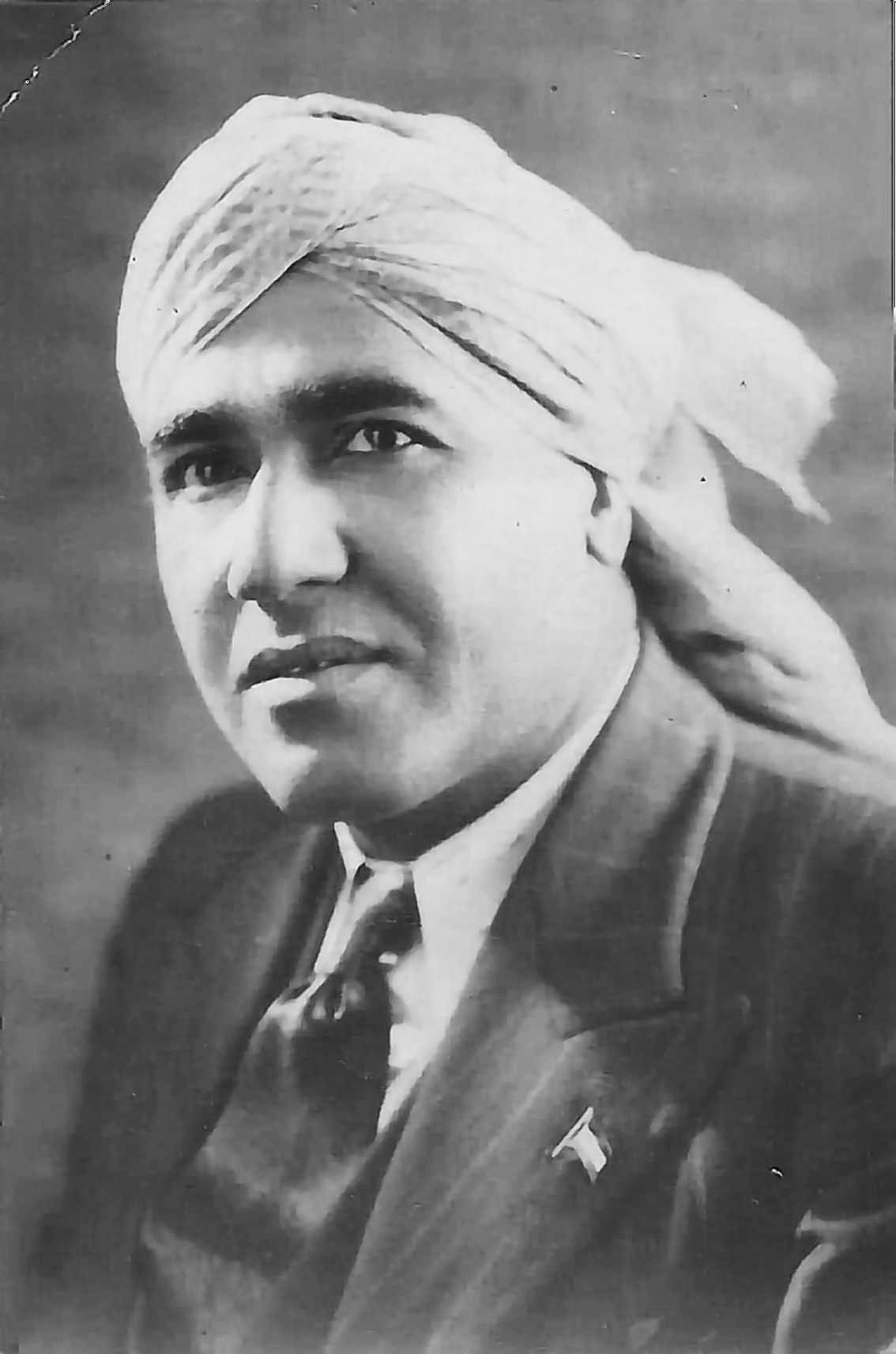
Their Story
Born Sher Singh in Punjab, Udham Singh was an ordinary boy in an extraordinary time. As a young man, he watched his homeland bleed under colonial rule—but he felt powerless. For years, he struggled with the weight of witnessing atrocity without the means to respond. The turning point came in 1919 at Jallianwala Bagh, when British forces opened fire on unarmed civilians gathered in a garden. Over 1,000 were massacred. Udham Singh was there. He survived, but survival felt like a curse.
For two decades, Singh carried this trauma like a stone in his chest. He tried different paths—working, organizing, searching for meaning in revolutionary movements. He grew angry. Doubt crept in: Could anything he do actually matter? But slowly, his rage crystallized into purpose. He understood that some injustices demand to be witnessed by the world, not forgotten in silence.
In 1940, at 40 years old, Singh traveled to London and assassinated Michael O'Dwyer, the official responsible for the massacre. He was captured, tried, and executed by hanging on July 31, 1940—but not before making his statement clear: I did not act in hatred, but in witness. His final words were a prayer, not a curse. He died having transformed his grief into an act of remembrance that echoed across generations.
Why People Pray to Martyrdom Day of Shahid Udham Singh
People turn to Shahid Udham Singh when they face systemic injustice and feel paralyzed by grief or rage. He teaches us that bearing witness matters—that speaking truth, even when dangerous, is sacred work. In times of helplessness, his example asks: How will I honor those who cannot speak for themselves? He speaks to activists, survivors, and anyone carrying the weight of injustice.
Lasting Impact
Udham Singh became 'Shaheed-i-Azam'—the Great Martyr—whose sacrifice awakened consciousness across the independence movement. His refusal to accept injustice silently became a blueprint for resistance rooted in moral clarity rather than vengeance. Decades later, his story still kindles the conviction that some acts of defiance transcend politics and become prayers.