Their Story
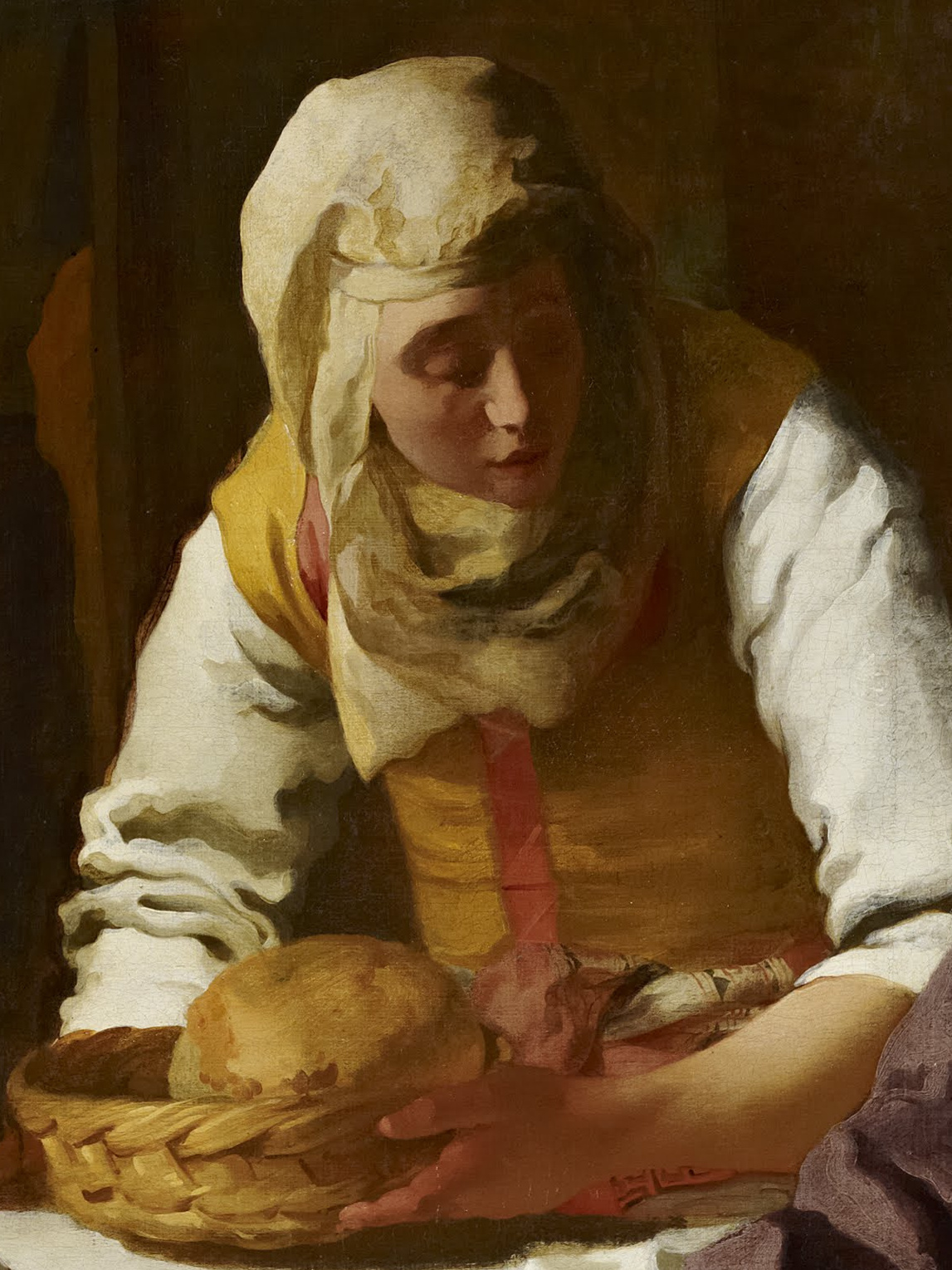
Martha was a woman drowning in the tyranny of excellence. In her home in Bethany, she carried the full weight of hospitality—the cooking, the cleaning, the endless preparations that a respectable household demanded. She was driven, capable, and utterly consumed by the belief that her worth depended on what she produced. Every detail mattered. Every meal had to be perfect. Every corner of her home had to shine.
Then Jesus came to visit. While her sister Mary sat at his feet, captivated by his presence, Martha spiraled. Here was the Messiah in her home, and she was trapped in the kitchen, resentful and frantic. She confronted Jesus directly—didn't he care that she was alone with all this work? Her frustration was raw, real, and deeply human. In that moment of vulnerability, Jesus didn't shame her. Instead, he gently named what she couldn't see: her striving had become a prison. "Martha, Martha," he said, "you are worried and upset about many things. But few things are needed—or indeed only one."
That encounter transformed her. Martha didn't stop serving—she was a servant at her core—but she learned to serve from peace rather than fear. Later tradition holds that she traveled far, proclaiming the faith and eventually taming a feared beast called the Tarasque through courage and conviction. The woman who once trembled under her own demands became a woman of remarkable authority. Her legacy isn't about perfect hospitality; it's about learning that our gifts matter most when they flow from rest, not from desperation.
Why People Pray to Martha of Bethany
Martha speaks to everyone crushed under the weight of "doing it all." Working parents, perfectionist professionals, caregivers burning out—they turn to her because she understands the suffocation of endless responsibility. She shows us that recognizing our limits isn't failure; it's the beginning of freedom. People pray to her for help breaking cycles of anxiety-driven productivity and for the courage to choose presence over performance.
Lasting Impact
Martha transformed the understanding of service itself. She proved that domestic work—caring for others, hospitality, stewardship—holds sacred dignity. She remains the patron of those whose labor sustains communities: servants, cooks, homemakers, innkeepers. Her story reminds us that holiness isn't reserved for contemplatives; it lives in honest, vulnerable service.
Where Venerated
- her Diocesan Shrine in Pateros