Their Story
Lazarus of Bethany was an ordinary man living in an ordinary village—until illness took everything from him. He wasn't a warrior, scholar, or priest. He was simply a beloved friend of Jesus, the brother of Mary and Martha, someone who belonged to a tight circle of love in a small home. But illness doesn't discriminate. When sickness came, Lazarus deteriorated rapidly. His sisters sent word to Jesus, their voices carrying the weight of desperation: "Lord, the one you love is sick." Yet Jesus delayed. Days passed. Lazarus died—not in a moment of glory or purpose, but in the silent darkness of a tomb, wrapped in burial cloths, abandoned to death for four days.
This was the depth of Lazarus's darkness: not a momentary trial, but the finality of death itself. Four days meant decomposition had begun. Hope had calcified into grief. Martha and Mary had already grieved, already accepted loss. When Jesus finally arrived, He wept—not for show, but for His friend's suffering and the very real pain of human mortality.
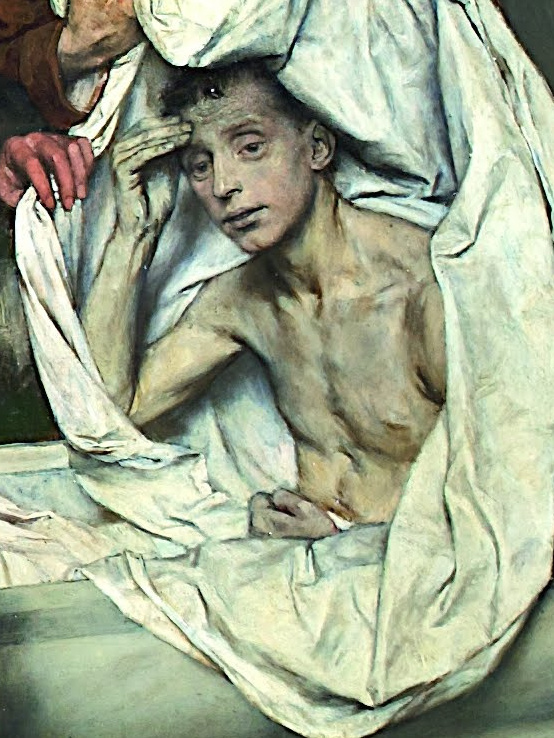
Then came the impossible. "Lazarus, come out!" Jesus commanded the dead. And he did. Still bound in grave clothes, gasping for air, Lazarus stumbled into resurrection—not as a hero, but as living proof that death has no final word. His transformation wasn't gradual; it was sudden, violent, miraculous. From four days of death, he became the walking testament to faith's power. Lazarus lived the rest of his life bearing witness to what he'd seen beyond the veil, carrying the profound understanding that love defeats even death itself.
Why People Pray to Lazarus of Bethany
People pray to Lazarus when facing their own kind of death—not physical, but spiritual and emotional. In grief, depression, addiction, or despair, Lazarus reminds us that resurrection is possible even when hope seems permanently buried. His feast day recalls that four days in the darkness didn't destroy him; it prepared him for transformation. He's the patron of those who feel forgotten, those who've hit rock bottom, those waiting in tombs of their own making. Lazarus teaches that sometimes we must fully die to who we were before we can truly live.
Lasting Impact
Lazarus stands as Christianity's supreme symbol of resurrection and hope beyond death. His story transcends theology—it speaks to the human experience of loss and the possibility of radical transformation. Venerated across Catholic, Orthodox, Anglican, and Lutheran traditions, Lazarus remains the saint who knows death intimately and emerged to proclaim that love's call can reach even into the darkest tombs.