Their Story
Margaret's story begins not with grace, but with pain. Born into San Severino's poorest quarters in 1325, she inherited nothing but hardship. Then came marriage—a union that became her crucible. Her husband, threatened by her devotion to prayer and her relentless work among the sick and destitute, lashed out with cruelty. For years, she endured his anger, his rejection, his attempts to sever her from her calling. She could have become bitter. She could have surrendered.
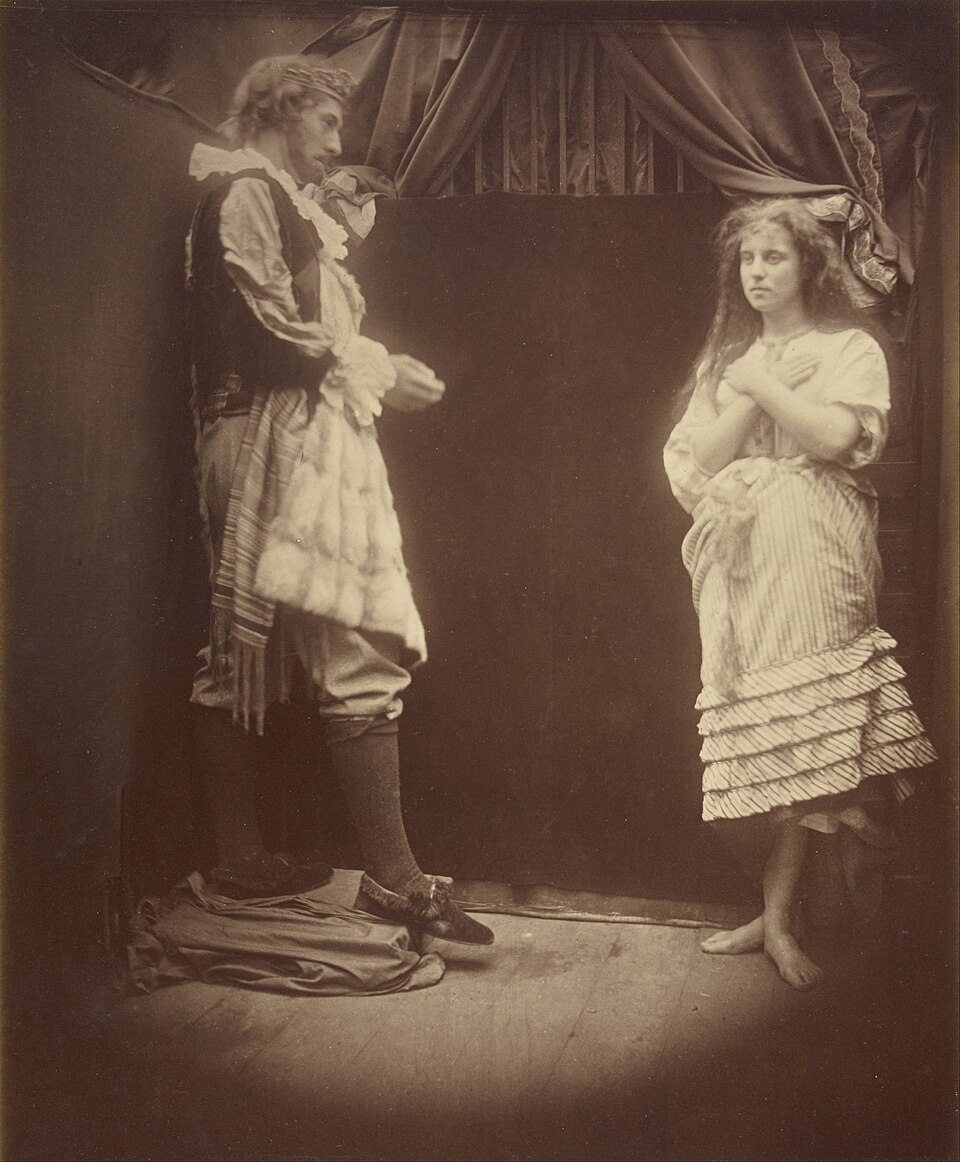
Instead, something extraordinary happened. Rather than retreat into self-pity, Margaret doubled down on her mission. She began walking barefoot through the streets—not as penance for his abuse, but as a radical choice to embody solidarity with the poor. Every blister on her feet was a conversation starter, a prayer made visible. She begged for coins to feed the hungry. She nursed plague victims when others fled. Her barefoot wandering became legendary, a living witness that suffering could birth compassion instead of cruelty.
For seven decades, Margaret lived this paradox: abused at home, radiant in the streets. She never escaped her husband's shadow—not until widowhood finally came. But by then, she had already transformed her marriage bed's anguish into the bedrock of a sacred life. When she died in 1395, the poor of San Severino mourned not a victim, but a saint who had transmuted her own wounding into healing for countless others.
Why People Pray to Margaret the Barefooted
Margaret speaks to anyone trapped in difficult relationships or marriages. She offers no magical escape—only the radical possibility that our deepest wounds can become our greatest gift to others. People pray to her for strength to endure abuse without losing their humanity, for wisdom to choose compassion over revenge, and for the courage to find purpose even in suffering. Brides facing uncertain unions, abuse survivors rebuilding their lives, and widows grieving lost possibilities all find in Margaret a saint who truly understands.
Lasting Impact
Margaret the Barefooted remains a powerful symbol of redemptive suffering and social justice rooted in personal faith. Her legacy lies not in escaping hardship, but in transforming it. She teaches that holiness isn't reserved for the comfortable—it flourishes precisely where pain meets persistent love. Her feast day (August 27) continues to inspire those working for the dignity of the poor and vulnerable.