Their Story
They were not soldiers. They were mothers, merchants, students, and priests—ordinary people living under oppressive rule who felt suffocated by injustice. For years, Kashmiris had endured the arbitrary authority of the Dogra dynasty, their voices suppressed, their rights ignored. Fear was rational. Resistance seemed futile. Yet something deeper than fear awakened in their hearts.
On that July morning in 1931, as crowds gathered outside Srinagar Central Jail to protest the imprisonment of Abdul Qadeer, a resistance leader, they began to pray. The first Azan—the Islamic call to prayer—pierced the air. Bullets answered. The person calling to prayer fell. In that moment of horror, another voice rose. Then another. Twenty-three times, the Dogra forces fired. Twenty-three times, Kashmiris stepped forward, knowing death waited, choosing spiritual defiance over survival.
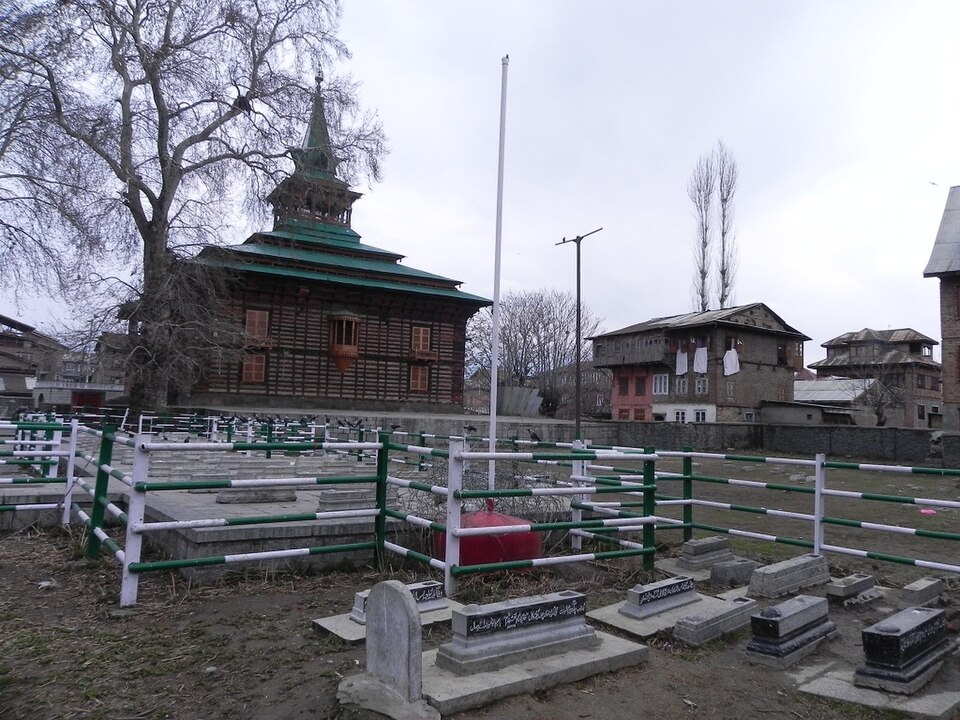
They were not seeking martyrdom as an escape. They were choosing it as a statement—that some things matter more than life itself. That oppression has limits. That a people's faith cannot be conquered by force. Their bodies fell into earth, but their sacrifice shattered the silence. The Martyrs' Graveyard became sacred ground, not through doctrine, but through the blood of those who refused to disappear. Their courage transformed a massacre into a monument, teaching generations that true strength lies not in weapons, but in unwavering conviction.
Why People Pray to Kashmir Martyrs' Day
People turn to Kashmir Martyrs' Day today when facing impossible choices between safety and conscience. In an age of silenced dissent and normalized oppression, their example restores faith that resistance matters. Those fighting injustice, defending religious freedom, or standing alone against systems of power find strength in their story. They remind us that integrity cannot be killed—only bodies fall. The spirit endures.
Lasting Impact
Kashmir Martyrs' Day remains a living testament to the power of nonviolent resistance and spiritual conviction. Though removed as an official holiday in India, it continues to be observed in Pakistan and by communities worldwide. The Martyrs' Graveyard stands as eternal witness—proof that those who sacrifice for justice transcend death itself, inspiring generations to choose conscience over compromise.