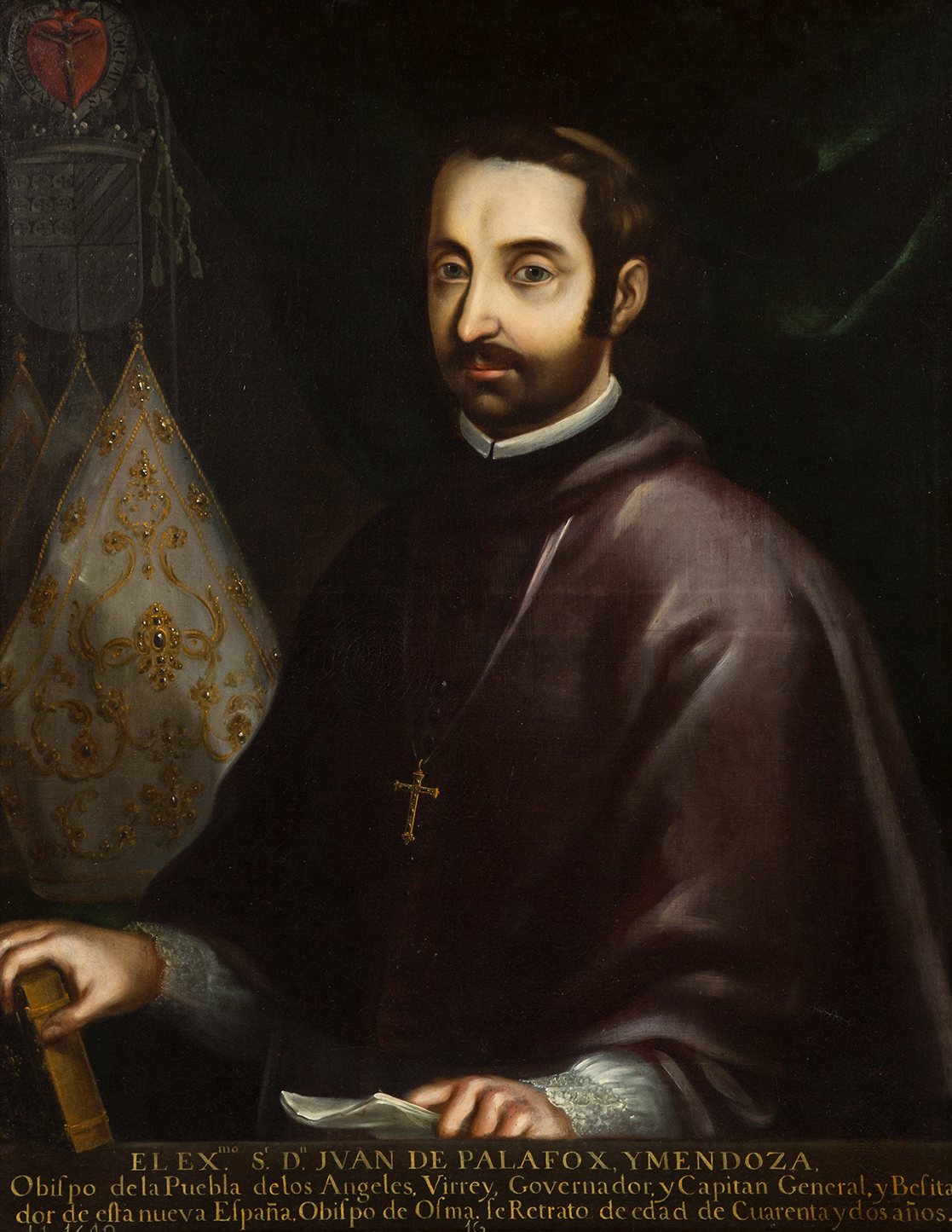
Their Story
Juan de Palafox arrived at his first bishopric in Puebla as a driven administrator hungry for influence. He had climbed the Spanish ecclesiastical ladder through ambition and intellect, but success left him hollow. The weight of power without purpose gnawed at him—managing vast territories felt empty when souls starved spiritually.
Then something shifted. Witnessing the suffering of indigenous peoples and the poor in New Spain shattered his worldly calculations. He began stripping away the trappings of his office, spending nights in prayer instead of political maneuvering. His transformation wasn't sudden—it was a gradual awakening to what actually mattered. He poured resources into art and education not as status symbols, but as bridges to human dignity. When Rome recalled him to Spain as Bishop of Osma in 1653, colleagues expected him to rest. Instead, he intensified his ascetic practices, writing spiritual works and defending the vulnerable against exploitation.
By his death at 59, Palafox had become something he never anticipated: a living paradox of a man who surrendered everything to gain everything. The ambitious bureaucrat had vanished, replaced by a shepherd who understood that true power lies in serving those society forgets.
Why People Pray to Juan de Palafox y Mendoza
Catholics and seekers turn to Blessed Juan de Palafox when facing ethical dilemmas at work, when ambition conflicts with conscience, or when success feels spiritually hollow. Artists and educators invoke him for guidance in making beauty accessible to all people, not just the privileged. He speaks to modern tensions between career advancement and spiritual authenticity, reminding us that influence means nothing without compassion. His feast day (October 1st) invites reflection on what we're building our lives toward.
Patron Saint Of
Lasting Impact
Juan de Palafox redefined the role of bishop as advocate for the marginalized rather than upholder of privilege. His dual service in New Spain and Spain bridged continents in pursuit of educational reform and artistic patronage. He was beatified in 2011, finally recognized for proving that institutional power, when surrendered to love, becomes revolutionary. His witness endures as a challenge to those who choose comfort over conviction.