Their Story
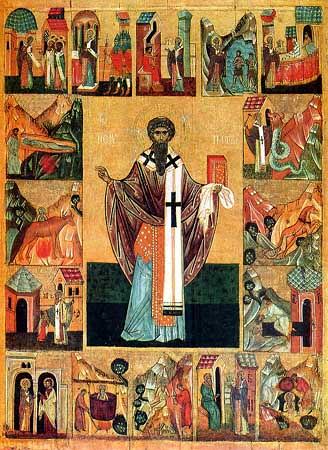
Hypatius lived in an era of theological chaos. The early 4th century Church was fractured by the Arian heresy—a seductive false doctrine that threatened everything Christians believed about Christ's divinity. While lesser bishops remained silent or compromised, Hypatius faced a choice that terrified him: speak up and risk everything, or stay quiet and keep his position.
He chose courage. At the First Ecumenical Council in 325 AD, Hypatius stood alongside Saint Athanasius the Great, lending his voice and episcopal authority to defend orthodox Christian truth. It was a lonely position. Powerful forces opposed him. But he refused to bend.
That refusal cost him everything. On the road back to his beloved city of Gangra, followers of the rival Novatian sect ambushed him. They threw him into a mud swamp and beat him mercilessly. A woman in their mob struck the final blow—a rock to his head that killed him. But something extraordinary happened: immediately after killing the bishop, the woman went mad, violently attacking herself with the same stone. Only when brought to his burial place was she healed. His death, it seemed, transformed into mercy. Christians recovered his broken body and buried their martyred shepherd. His grave became legendary—a place where miracles multiplied, where the broken were made whole, where the desperate found hope.
Why People Pray to Hypatius of Gangra
People turn to Hypatius when facing impossible choices between integrity and survival, between convenience and conviction. He intercedes for those persecuted for their faith, for the courageous who stand alone against pressure, and for those seeking healing from trauma and violence. His miraculous interventions at his tomb remind us that even our deepest suffering can become a gateway to God's redemptive power—that martyrdom is not defeat but transformation.
Lasting Impact
Hypatius's legacy endures as a beacon of uncompromising faith. Honored as a Hieromartyr and Wonderworker, he inspired the founding of the great Hypatian Monastery in his name. His witness proved that fidelity to truth, even unto death, plants seeds of grace that bear fruit for generations. He remains a patron of those who must choose conscience over comfort.