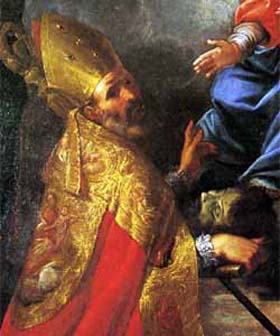
Their Story
Gratus began as an outsider—a Greek-born priest educated in monastic communities, far from the Alpine valleys he would one day shepherd. In the chaos of the 5th century, when theological confusion threatened the Church itself, he faced a choice that terrified many: stand publicly for orthodoxy or remain silent and safe. At the Synod of Milan in 451, Gratus—still a simple priest—was chosen to represent his bishop and sign a letter condemning dangerous heresy. It was a moment demanding courage he may not have felt certain he possessed.
Yet something shifted in him. Perhaps it was his monastic training. Perhaps it was witnessing the confusion spreading like wildfire through fractured communities. Gratus discovered that fear dissolves when you anchor yourself to something greater than comfort. He rose to become Bishop of Aosta, carrying sacred relics and spiritual authority into a mountain city caught between empires and ideologies. He presided over the translation of martyrs' remains around 470 AD—physical acts of remembrance that told his people: *these witnesses matter. their sacrifice endures.* Gratus became the protector Aosta needed, a shepherd who stood firm when others wavered. His human vulnerability—the doubt, the weight of responsibility—became the very foundation of his strength.
Why People Pray to Gratus of Aosta
People invoke Saint Gratus when storms rage—both literal and metaphorical. Patrons of vineyards call upon him for protection against hail and weather's fury. But deeper still, those facing inner tempests seek his intercession: anyone paralyzed by fear, anyone standing alone for what is right, anyone protecting their community against confusion and chaos. Gratus teaches that ordinary people, trembling with doubt, can become steady anchors for others.
Lasting Impact
Saint Gratus remains Aosta's guardian, his relics preserved in the Collegiate Church of Saint Ursus. His feast day (September 7) endures across Catholic and Orthodox traditions. He embodies the quiet hero—not famous beyond his valley, yet absolutely essential to those he served. His life proves that holiness isn't spectacular; it's steadfast.