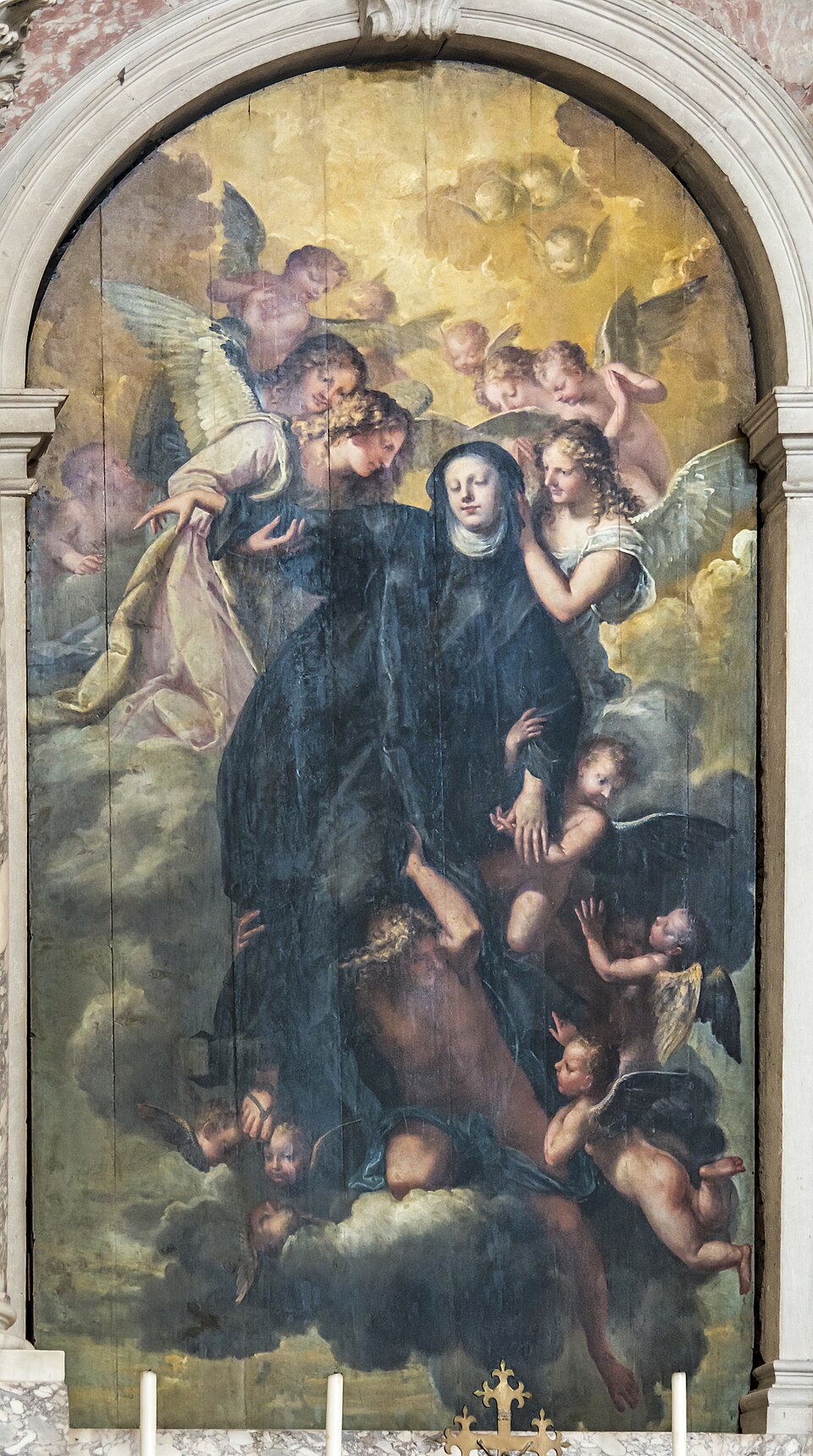
Their Story
Gertrude entered the world alone. Orphaned or abandoned by parents whose names history erased, she was placed in a monastery school at just five years old—not yet old enough to truly choose her path. Unlike other children called to religious life through family devotion, Gertrude had no one. The monastery became both her refuge and her cage, and for years she wrestled with a fundamental loneliness that no amount of prayer seemed to ease.
But something shifted. Around age twenty-five, during a period of intense spiritual searching, Gertrude experienced a mystical awakening—a direct encounter with Christ's love so profound it rewired her entire understanding of belonging. She wasn't abandoned; she was chosen. From that moment, she devoted herself to recording her visions and revelations, transforming her isolation into intimate dialogue with the divine. Her writings became a lifeline for others suffering in darkness: the sick, the mentally afflicted, and souls trapped in spiritual despair.
What makes Gertrude extraordinary isn't that she escaped her pain—it's that she converted it into compassion. She wrote with unflinching honesty about doubt, fear, and the soul's desperate hunger for God. She became abbess, a leader who understood suffering from the inside. By her death around 1302, this orphan girl had created a spiritual legacy that would comfort countless generations. Her *Revelations* remain startlingly modern: raw, personal, and unapologetically mystical.
Why People Pray to Gertrude the Great
In our fragmented age, Gertrude speaks to anyone who feels invisible or forgotten. People turn to her when battling mental illness, chronic illness, or spiritual despair—struggles she named openly in her writings. She's a patron of those in purgatory (spiritual limbo), making her the saint for anyone caught between who they were and who they're becoming. Her radical message: your pain is not wasted; it can become your gift.
Patron Saint Of
Lasting Impact
Gertrude the Great revolutionized Christian mysticism by insisting that spiritual experience wasn't reserved for male theologians. Her *Revelations* influenced centuries of Catholic devotion and remain studied in seminaries today. She proved that the deepest wisdom often comes from the most broken places.