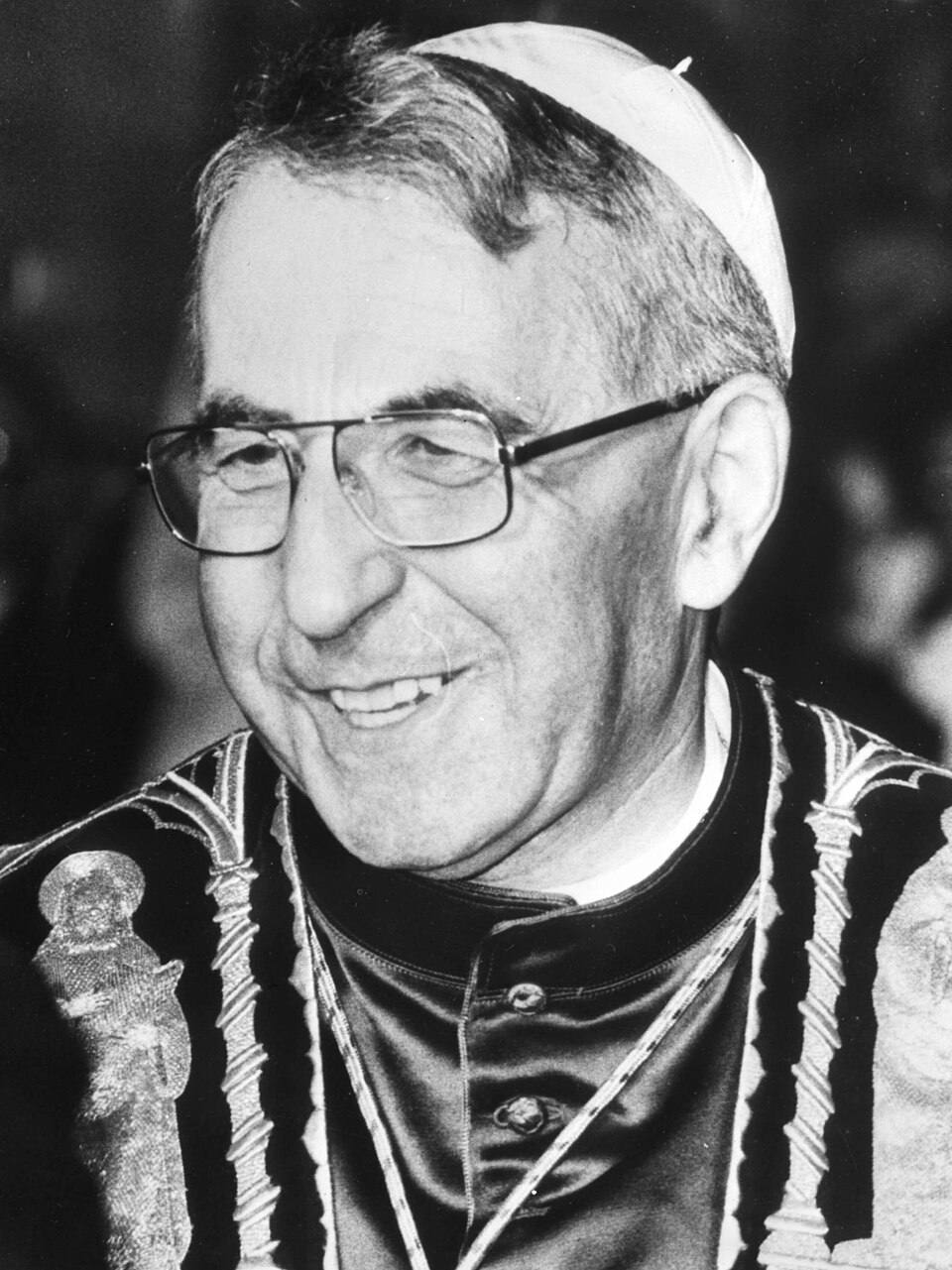
Their Story
Beatification represents one of the Church's most profound recognitions: that ordinary people can become channels of divine grace. The journey to becoming Blessed is not about flawless virtue or effortless holiness. History shows us that those recognized as Blessed often struggled deeply—with doubt, with their callings, with the weight of their own humanity.
What unites all Blesseds is not an absence of struggle, but a transformation through it. They faced institutional resistance, personal failure, and spiritual dryness. Some questioned their faith. Others felt inadequate for their missions. Yet something shifted within them: a willingness to persist despite fear, to serve despite uncertainty, to trust despite doubt. This is the essence of beatification—the Church recognizing that a life lived with genuine faith, tested and refined through real adversity, becomes a bridge between Heaven and earth.
The process itself—rigorous investigation, verified miracles, theological examination—ensures that Blessed souls truly lived lives of extraordinary virtue. They became intercessors not because they escaped suffering, but because they transformed it into love. Their canonization is an act of hope: proof that our struggles are not obstacles to holiness, but the very material through which grace works.
Why People Pray to Blesseds
People turn to the Blessed when facing impossible circumstances—medical crises, spiritual darkness, institutional injustice. We pray to them because their lives demonstrate that transformation is possible even in our darkest moments. The Blessed understand both earthly pain and heavenly peace. They intercede for those caught between despair and hope, offering testimony that grace meets us not in perfection, but in persistence, in showing up, in choosing love despite everything.
Lasting Impact
The Blessed remind us that sanctity is not reserved for the extraordinary few, but emerges from ordinary lives lived with extraordinary faithfulness. They revolutionized how we understand holiness—not as escape from the world, but as engagement with it. Their recognition transforms how we see our own struggles: as potential pathways to grace, invitations to deeper conversion, and foundations for interceding on behalf of others.