Their Story
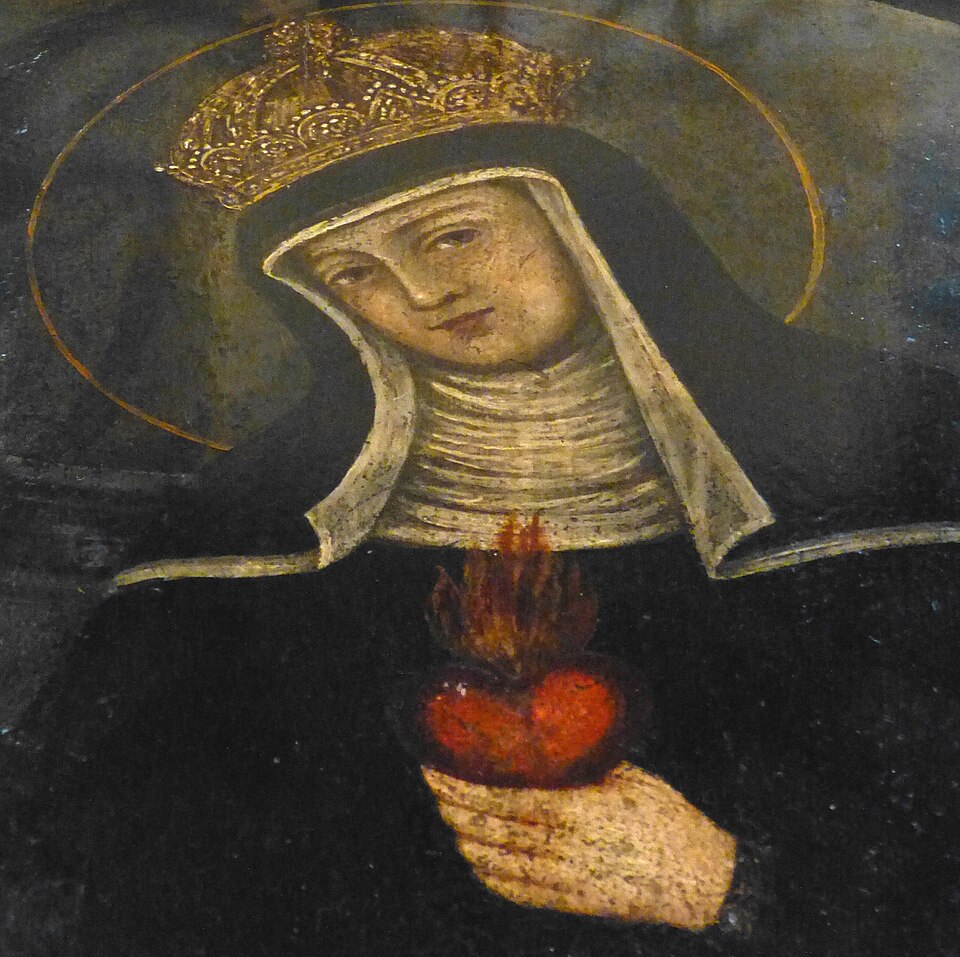
Irmgard faced a destiny not of her choosing. Born around 831 into the Carolingian court—daughter of King Louis the German—she was destined for the monastery from childhood, not by calling but by royal decree. While her brothers inherited kingdoms, she was raised at Buchau Abbey, expected to surrender ambition, agency, and the world itself. The weight of expectation was immense: a princess confined to silence, her brilliance channeled into scripture and prayer rather than statecraft. She struggled with the tension between her education—comprehensive and extraordinary for a woman of her era—and the constraints of monastic life. Her mind was vast; her permitted sphere, narrow.
Yet something shifted. Around 850, her father appointed her abbess of Frauenwörth, an ancient but deteriorating monastery on an island in Lake Chiemsee. What could have been a ceremonial posting became her salvation and her life's work. Irmgard discovered that within these walls, her royal blood and intellectual gifts were not obstacles—they were tools. She rebuilt crumbling structures with her own hands' authority. She transformed a fading chapter house into a thriving Benedictine convent. She led not as a princess playing at piety, but as a visionary who understood that holiness demands excellence in all things—in architecture, in governance, in the cultivation of minds and spirits.
She died in 866, just thirty-five years old, her brief abbacy a monument to what happens when someone stops resisting their calling and fully inhabits it. Venerated within centuries of her death, Irmgard became proof that surrender to divine purpose is not diminishment—it is the only true nobility.
Why People Pray to Blessed Irmgard of Chiemsee
Irmgard speaks to anyone trapped between two identities—between who they were born to be and who they're called to become. She helps those struggling with inherited expectations, with feeling too gifted for their circumstances, or too constrained by duty. Modern seekers pray to her when they need permission to transform their "prison" into their purpose, to take their education, privilege, or pain and consecrate it to something greater than themselves.
Lasting Impact
Blessed Irmgard's reconstruction of Frauenwörth established one of medieval Bavaria's most important centers of learning and spirituality. Her example—that radical transformation happens not through escape but through consecrated engagement—continues to inspire religious communities and lay believers seeking to sanctify their daily work.