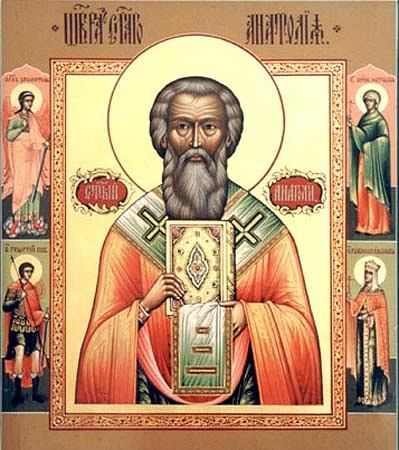
Their Story
Anatolius of Alexandria arrived in Constantinople carrying the weight of an empire fragmenting over doctrine. The year was 449—a time when bishops didn't just debate theology; they risked exile, violence, and spiritual isolation for their convictions. Anatolius stepped into a maelstrom. His predecessor, Flavian, had been brutally deposed during the Synod of the Ephesus, a gathering so fractured by competing factions that faith itself seemed weaponized. The new patriarch inherited not a pulpit but a minefield. Political powers—emperors and ambitious metropolitans—circled, each demanding his allegiance. Anatolius had to navigate between doctrinal purity and diplomatic survival, between his conscience and the crushing pressure of imperial court politics. For nine years, he lived in this tension, seeking not to win but to hold the center when everything pulled toward extremes.
What transformed Anatolius was his refusal to weaponize his authority. Despite relentless pressure, he pursued reconciliation over retribution. He understood that leadership in shattered times isn't about victory—it's about witness. His greatest strength became his apparent weakness: the willingness to listen, to seek common ground, to prioritize the flock over ecclesiastical ego. When he died on July 3, 458, Anatolius left behind not grand victories but something harder to achieve—a patriarch remembered for steadiness in chaos, for moral integrity amid impossible compromises. He became the saint of those who must lead without certainty, who must choose principle without guaranteeing success.
Why People Pray to Anatolius of Constantinople
In our fractured age of competing truths and institutional collapse, Anatolius speaks to anyone trying to lead with integrity through impossible circumstances. He's the saint for diplomats, church leaders, organizational heads, and anyone caught between conflicting loyalties. People pray to him when navigating workplace politics that demand compromise of conscience, when leading communities through deep disagreement, or when seeking the wisdom to know when to stand firm and when to extend grace. He reminds us that spiritual authority isn't built on winning battles—it's built on remaining centered when others fracture.
Lasting Impact
Anatolius established a model of patriarchal leadership rooted in reconciliation rather than dominance. Though his tenure was brief and shadowed by political turmoil, his commitment to holding doctrinal integrity while pursuing peace influenced generations of Eastern Orthodox ecclesiastical leadership. He remains a witness to the possibility of faithful leadership during institutional crisis.