Their Story
Waltheof inherited nothing but loss. His older brother died in battle when he was still a boy, making him heir—only to watch his father Siward pass away in 1055. The king then stripped the earldom from the grieving child, handing it to a stranger. For years, Waltheof lived in the shadows of power, watching others rule what should have been his birthright. He was devout and charitable, but these gifts felt hollow against a life of displacement and powerlessness.
Then, unexpectedly, he was given a second chance. Waltheof became Earl of Northumbria (1072–1076), and briefly, it seemed his wounds might heal. But the Norman Conquest had changed everything. King William I surrounded himself with Frenchmen, and Waltheof—an Anglo-Saxon in a conquered kingdom—felt the old betrayals returning. In 1075, caught between his loyalty to William and his love for the old English order, Waltheof joined a rebellion. It was a moment of hope, a final stand for what he believed in.
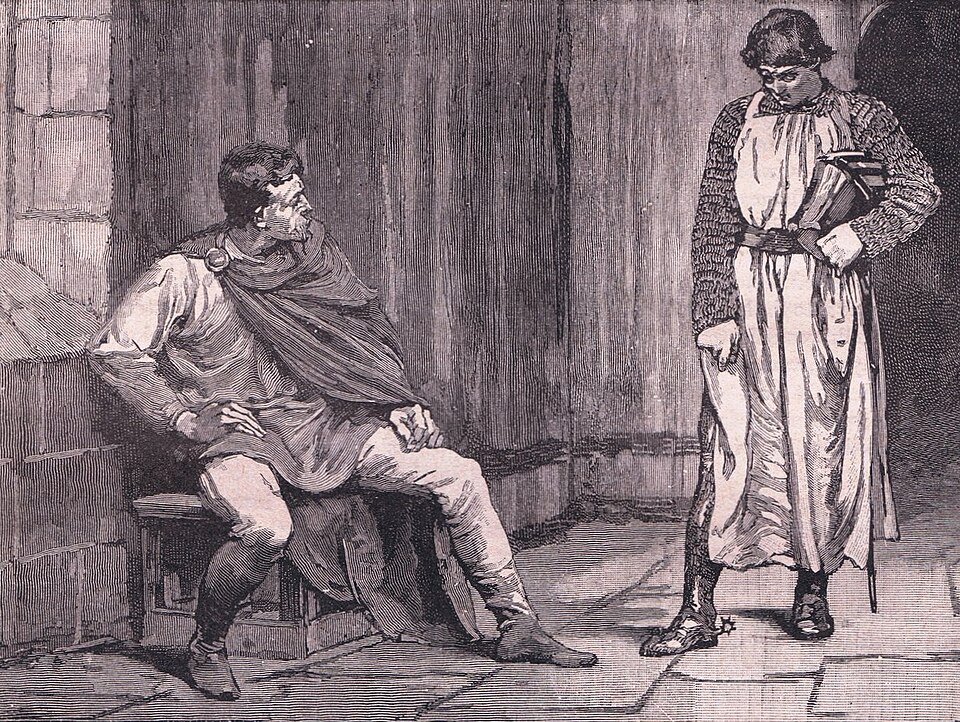
It was also his undoing. William showed no mercy. Waltheof was arrested, tried, and sentenced to death. On May 31, 1076, he walked toward execution at St. Giles's Hill, Winchester. But something miraculous happened in those final moments: Waltheof made peace. He forgave William. He forgave himself. Legend says he sang psalms as he died, his voice steady, his heart finally free. His body was buried at Crowland Abbey, where pilgrims would later gather seeking the grace of a man who learned that true power lies not in holding kingdoms, but in releasing them.
Why People Pray to Waltheof, Earl of Northumbria
Waltheof speaks to anyone who has felt powerless, displaced, or betrayed by circumstances beyond their control. In our modern age of fractured identities and lost belonging, his example offers profound comfort: that dispossession is not the end of your story. People pray to Waltheof when facing injustice, when caught between conflicting loyalties, and when seeking the courage to forgive those who have wronged them. His final act—singing psalms while facing death—inspires those searching for peace that transcends their circumstances.
Lasting Impact
Waltheof remains the only English aristocrat executed during the Norman Conquest, a symbol of a vanishing world. Yet his legacy transcends politics: he is remembered as a saint who transformed suffering into sanctity, demonstrating that even in conquest and defeat, the human spirit can choose forgiveness over bitterness, faith over despair.