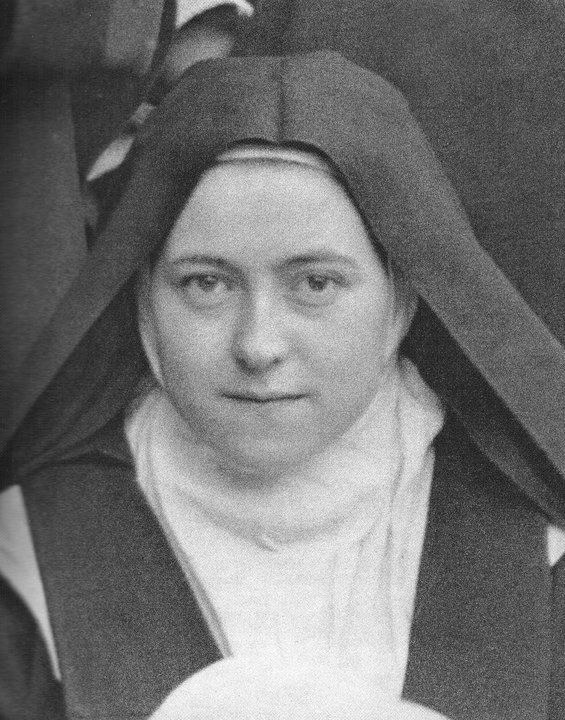
Their Story
Thérèse Martin entered the Carmelite convent at just 15, desperate to become a saint. But the young nun faced a soul-crushing reality: she was ordinary. No mystical visions. No dramatic conversions to orchestrate. No grand spiritual victories. Instead, she struggled with scrupulosity, doubt, and the suffocating repetition of cloistered life. She battled impatience with her own limitations and wrestled with the fear that her life meant nothing—that she would die unknown and forgotten.
In her darkest moments, Thérèse felt abandoned by God. She watched other nuns experience ecstasy while she experienced only dryness and interior silence. Yet within this wilderness of ordinariness, she discovered something revolutionary: she didn't need to be extraordinary to matter. She couldn't do "big things," but she could do small things with extraordinary love. A task done with presence. A wound offered with intention. A smile given to an annoying sister. This became her "little way"—the conviction that holiness lives in the invisible spaces of daily faithfulness.
Thérèse died of tuberculosis at 24, largely unnoticed. She left behind a simple autobiography written at her abbess's request. Yet within decades, her "little way" had spread across the world, recognized as a spiritual revolution. Pope Pius XI canonized her not despite her ordinariness, but because of it. She showed that sanctity isn't reserved for the heroic—it's available to anyone willing to love fiercely in the mundane moments that make up a life.
Why People Pray to Thérèse of Lisieux
People turn to Thérèse when they feel their life is too small, too quiet, too unremarkable to matter. In an age of curated achievement and Instagram perfection, she whispers: your hidden faithfulness counts. Millions find solace in her honesty about spiritual dryness and doubt. She's the patron saint of those who will never change the world publicly—but are quietly transforming it through presence, love, and the courage to accept their own littleness.
Lasting Impact
Thérèse revolutionized spirituality by democratizing holiness. She proved that the path to God doesn't require exceptional abilities or dramatic circumstances—only radical love in ordinary moments. Her "little way" influenced countless contemplatives, missionaries, and everyday seekers. Pope John Paul II named her a Doctor of the Church—an unprecedented honor for someone so young. Her legacy remains: sanctity blooms wherever love tends the small, hidden gardens of daily life.
Where Venerated
- modern times