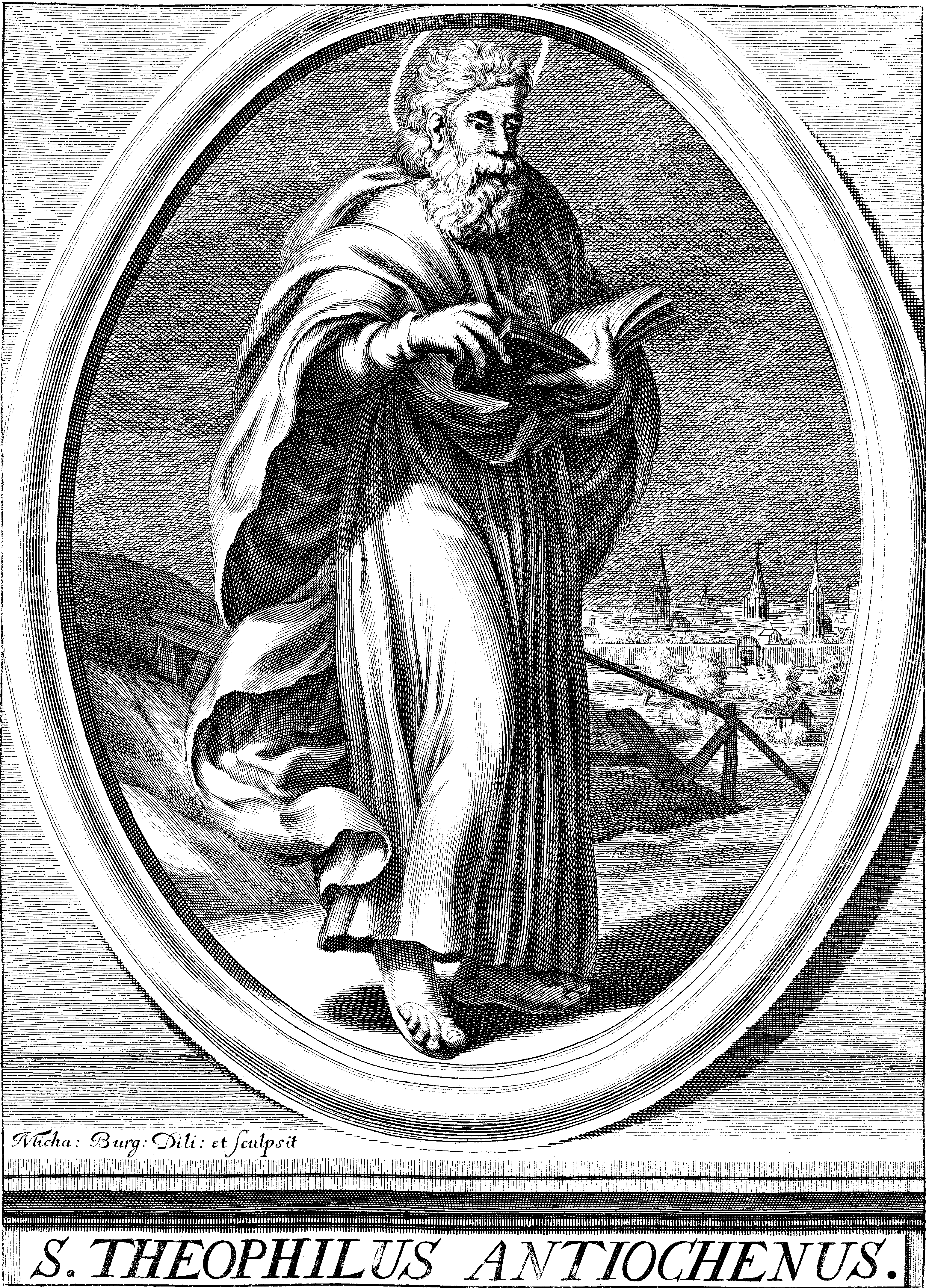
Their Story
Theophilus began his journey not in faith, but in darkness. Born pagan near the Tigris and Euphrates rivers, he lived immersed in a world of false gods and hollow philosophy. He was a man of the mind—educated, curious, skeptical—yet spiritually adrift. The pagan worldview that surrounded him offered no answers to the deepest questions of his soul. He struggled with the same doubts that plague seekers today: What is truth? Why do we suffer? Does anything beyond this material world matter?
Then came his breakthrough. Through disciplined study of Holy Scripture—particularly the prophetical books—Theophilus encountered something that shattered his previous certainties. The words of the prophets spoke to him with an authority no pagan philosopher could match. It wasn't blind faith; it was intellectual surrender to a truth greater than himself. He became not merely a believer, but a defender of the faith.
Rising to become Patriarch of Antioch around 169 AD, Theophilus channeled his formidable intellect into battle—not with swords, but with words. He confronted heresy directly, most notably opposing Marcion's dangerous distortions of Scripture. He wrote his famous *Apology to Autolycus*, using rigorous argument and scriptural authority to guide seekers toward Christ. His life embodied a radical transformation: from pagan confusion to Christian clarity, from skeptical observer to shepherd of souls, from intellectual isolation to purposeful witness.
Why People Pray to Theophilus of Antioch
Theophilus remains a powerful intercessor for modern seekers—those wrestling with doubt, intellectual skepticism, and spiritual confusion. In an age of conflicting truth claims and philosophical uncertainty, he intercedes for academics, scholars, and thinking believers who need courage to pursue truth wherever it leads. People pray to him when faith and reason feel at war, trusting his example that profound conversion happens not despite intellect, but through it.
Lasting Impact
Theophilus established the vital tradition of Christian apologetics—using reason and Scripture together to defend and proclaim the faith. His writings influenced generations of theologians. Beyond his literary contributions, he demonstrated that spiritual transformation can occur in the most intellectual of minds, modeling how the Church must meet seekers where they are: with both truth and intellectual rigor.