Their Story
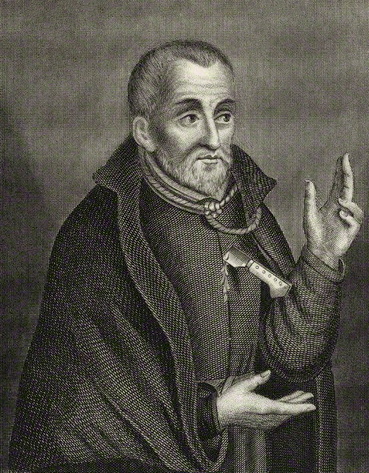
They were not heroic from the start. Many were conflicted men and women caught between impossible choices: keep your faith silent or lose everything. Carthusian monks like John Houghton wrestled with obedience—to King or to conscience? Seminary priests like Edmund Campion were hunted fugitives, exhausted and afraid, ministering in secret to Catholics who risked arrest simply to attend Mass. Margaret Clitherow, a York housewife and mother, knew the price of sheltering priests in her home. These were people who doubted, who felt fear, who understood the cost of their choice.
Yet something deeper called them—not abstract theology but lived conviction. They couldn't unsee what they believed. So John Houghton walked calmly to his execution at Tyburn in 1535. Edmund Campion, the brilliant scholar who could have chosen safety, chose instead to be hanged, drawn, and quartered in 1581. Margaret Clitherow refused to speak her defense, protecting others. Between 1535 and 1679, forty of them died—pressed, hanged, imprisoned until broken—not with fanatic rage but with profound quiet. They transformed their bodies into a message: *some things matter more than survival*. Their deaths stretched across centuries of Reformation turmoil, each one a small light refusing to be extinguished. They weren't seeking martyrdom; they were simply refusing to deny what they knew to be true.
Why People Pray to The Six Welsh Martyrs and companions
In an age of compromise and pressure to conform, these martyrs teach us about moral conviction. People pray to them when facing their own impossible choices—whether to stay silent or speak truth, to follow the crowd or follow conscience. They show us that integrity costs something real, and that paying the price doesn't make you broken; it makes you whole. In moments of cowardice, their steady witness reminds us: some truths are worth everything.
Lasting Impact
Canonized by Pope Paul VI in 1970, the Forty Martyrs stand as England and Wales's patrons of religious freedom and conscience. Their 144-year witness—from Henry VIII's break with Rome to the end of the Popish Plot—transformed Catholic identity from something hidden into something unbreakable. They remind every generation that faith isn't negotiable.