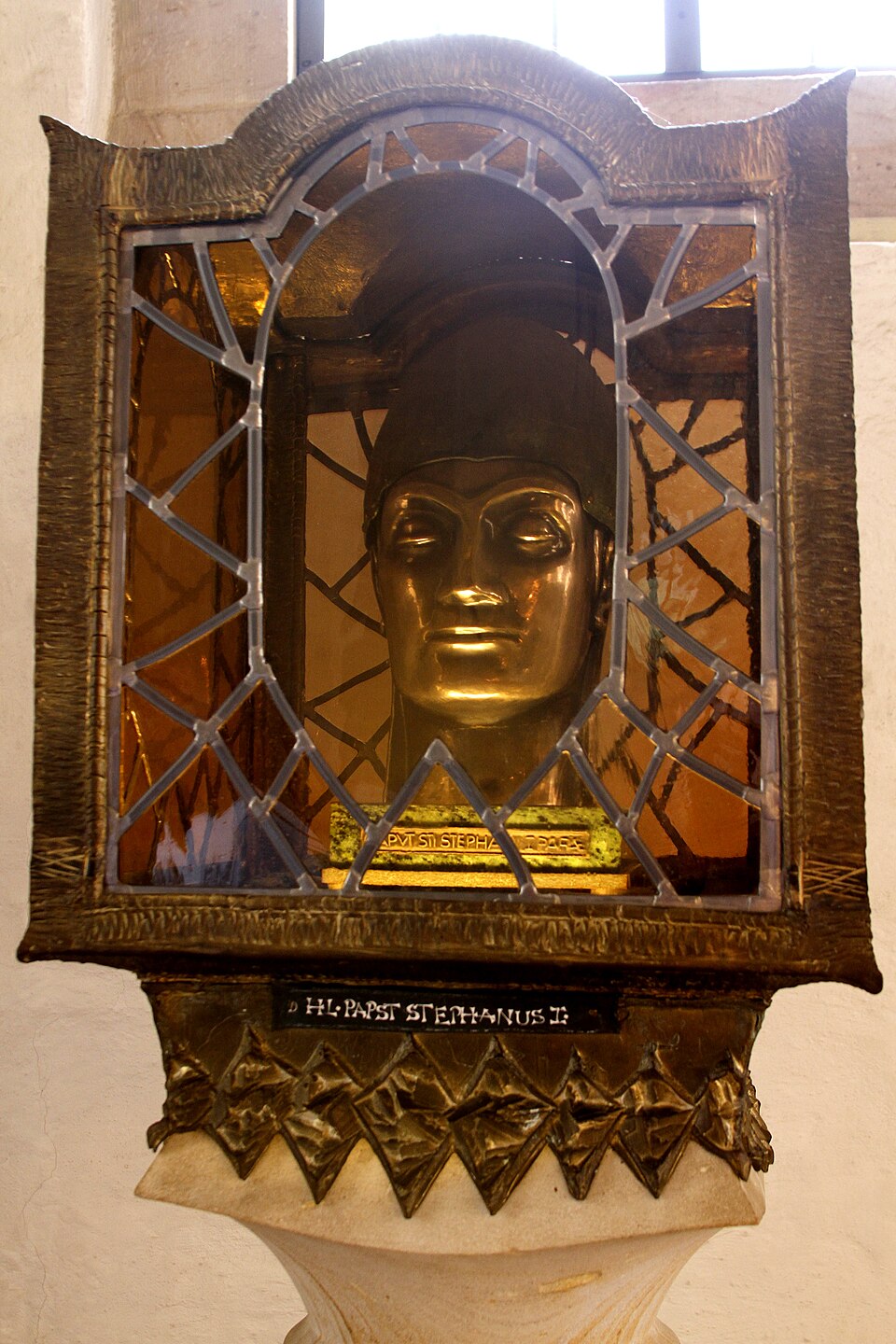
Their Story
Stephen I inherited a fractured Church. Years of Decian persecution (250–251) had forced impossible choices on Christians: deny Christ or face death. Those who survived faced impossible judgment from those who hadn't. The community was divided, angry, uncertain who should even be allowed back into fellowship. Stephen, born into Roman privilege and groomed as archdeacon under Pope Lucius I, now carried the weight of healing wounds that wouldn't close.
He faced a crisis of authority itself. Should the Church be merciful to the lapsed—those who'd renounced their faith under torture? Or should discipline be absolute? Stephen advocated for mercy rooted in apostolic tradition, arguing that the Church's power to bind and loose extended to absolution. This wasn't popular. It threatened those who'd suffered and refused to forgive. It challenged bishops who wanted stricter control.
During his brief three-year papacy (254–257), Stephen made controversial decisions grounded in compassion rather than politics. He fought for reconciliation when others demanded vengeance. He asserted papal authority when regional bishops questioned it. And he did this knowing Roman persecution was returning—that his mercy might cost him everything. On August 2, 257, possibly while celebrating Mass, he was martyred. His body became the very communion he'd fought to keep unified.
Why People Pray to Pope Stephen I
People turn to Stephen I during seasons of division, doubt, and institutional breakdown. When faith communities fracture over justice and mercy, when leaders must choose between popularity and compassion, when authority itself feels compromised—Stephen models a different way. He shows that spiritual leadership isn't about winning arguments; it's about holding unity through grace, even when it costs you everything. His feast day invites us to ask: Where am I being called to mercy when judgment feels easier?
Lasting Impact
Stephen I established the principle that papal authority rested not on political power but on apostolic succession and pastoral care. His insistence on mercy for the lapsed shaped Catholic sacramental theology for centuries, anchoring the Church's identity as a reconciling community rather than a punishing one. He died defending that vision.