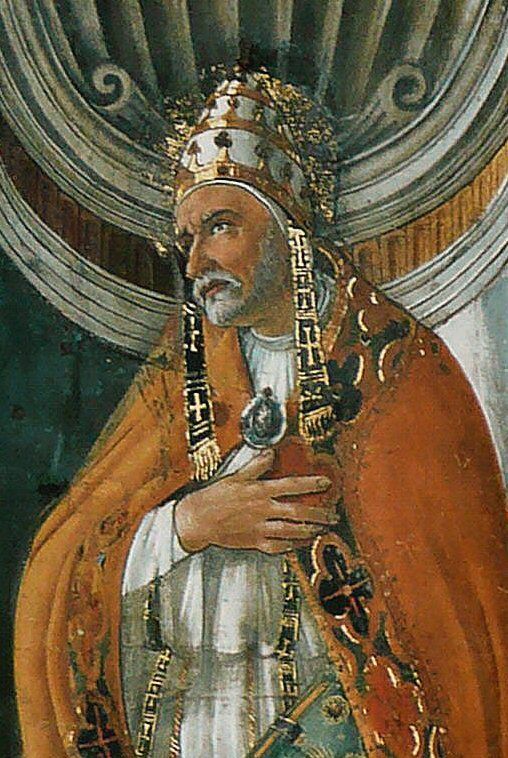
Their Story
Sixtus II inherited a fractured Church. His predecessor had torn apart relationships with African and Eastern Christian communities over a bitter theological dispute about heretical baptism and the Novatian controversy. These weren't abstract arguments—they represented real divisions that threatened Christianity's survival during relentless Roman persecution. A Greek philosopher by training, Sixtus faced a daunting paradox: use reason and dialogue to heal wounds that doctrine had inflamed, all while an empire hunted his flock.
His tools were unexpected for a church leader under fire. Rather than doubling down on rigid positions, Sixtus chose a riskier path: genuine reconciliation. He reached across theological lines to restore communion with distant churches, prioritizing unity over doctrinal purity contests. In just over a year, this foreign scholar accomplished what seemed impossible—he reminded a persecuted people that their true enemy wasn't disagreement, but despair.
Then came Emperor Valerian's edict. On August 6, 258, Sixtus was arrested mid-celebration alongside seven deacons, including the legendary Lawrence. Facing execution, the man who'd spent his papacy building bridges chose his final act: he walked toward martyrdom with the same grace he'd extended to his critics. His death wasn't a failure of his peace-making mission—it was its culmination. He proved that reconciliation matters even, especially, when it costs everything.
Why People Pray to Pope Sixtus II
Catholics and Orthodox Christians invoke Sixtus II when churches are divided and unity seems impossible. In an age of fragmentation—both religious and secular—his witness teaches that bridges built through dialogue matter profoundly. People pray to him during persecution, theological conflict, and moments when standing firm in faith requires personal sacrifice. He shows us that intellectual rigor and mercy aren't opposites; they're partners in transformation.
Lasting Impact
Sixtus II restored broken communion between East and West, demonstrating that theological disagreement needn't fracture the Body of Christ. His brief papacy became a blueprint for peacemaking under pressure. Venerated across Catholic, Eastern Orthodox, and Oriental Orthodox traditions, his feast day (August 6-7) reminds Christians that reconciliation is sometimes the holiest work we can do.