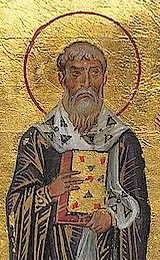
Their Story
Pope Linus inherited a Church in crisis. Peter was gone—martyred. Rome burned under Nero's rage. Christians faced execution simply for their name. Linus was not a towering theologian or fiery preacher. He was a young man from Volterra, chosen by Paul the Apostle himself, thrust into leadership during Christianity's darkest hour. The weight was crushing. How could he possibly fill Peter's shoes? How could he guide a persecuted people toward hope when the empire hunted them?
Linus doubted. He was young, untested, leading through chaos and fear. But something transformed him—not a dramatic conversion, but a daily choice. He studied Paul's teachings, remembered the apostle's final words of encouragement, and chose to serve rather than lead with power. He organized the scattered faithful, established order in the liturgy, and refused to let persecution extinguish the Church's light. He didn't perform miracles or write masterpieces. Instead, he did something quieter and more profound: he kept the faith alive.
For twelve years, Linus shepherded Rome's trembling Church through Nero's madness and Vespasian's suspicion. He embedded practices that would outlive empires—structures of community, discipline of prayer, and unshakeable witness to the Gospel. When he died around 80 AD, likely as a martyr, he left behind not a triumphant institution but something far more valuable: a living, breathing Church that would endure.
Why People Pray to Pope Linus
In our age of visible leadership and personal brands, Linus reminds us that quiet faithfulness matters. People pray to him when facing overwhelming responsibility without obvious credentials, when leading through crisis feels impossible, or when their contribution seems invisible. He intercedes for those building something meaningful in chaos—parents raising children through hardship, leaders guiding communities through uncertainty, believers sustaining faith in hostile times. Linus teaches that holiness isn't about recognition; it's about showing up.
Lasting Impact
Linus established the template for papal leadership: not dominion, but service. His organizational reforms—liturgical structure, episcopal hierarchy, pastoral care—became foundational to the Church's survival. More profoundly, he proved that unassuming faithfulness, not charisma or power, sustains faith across generations. His legacy whispers across centuries: your quiet obedience matters.