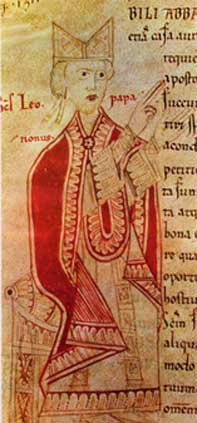
Their Story
Born Bruno von Egisheim-Dagsburg on June 21, 1002, in Alsace, Leo IX emerged from a noble family with a deep commitment to the Church. His early life was marked by a profound dedication to learning and spirituality, leading him to become a respected cleric. As he ascended to the papacy in 1049, his vision for the Church was clear: he sought to eradicate corruption and restore moral integrity among the clergy. One of his first significant actions was the Easter synod of 1049, where he convened bishops and clergy to address pressing issues such as simony and clerical marriage.
Leo IX traveled extensively, even accompanying Emperor Henry III on military campaigns to Saxony. His commitment to unity and reform drew him into the turbulent waters of Church politics. Despite facing resistance and criticism, he remained steadfast, believing that reform was essential for the Church’s credibility. His interactions with the Eastern Orthodox Church were pivotal; however, they also set the stage for the Great Schism of 1054, a momentous division that reshaped Christianity. Leo IX’s legacy is a testament to the struggles of leadership, the pursuit of righteousness, and the challenges of bridging divides in faith.
Why People Pray to Pope Leo IX
Today, people turn to Pope Leo IX for guidance in matters of integrity and ethical leadership. His commitment to reform encourages those grappling with moral dilemmas and inspires individuals to seek unity in their communities, reminding them of the importance of tradition and faithfulness.
Lasting Impact
Pope Leo IX is remembered as a transformative leader whose efforts to reform the Church laid foundational stones for future generations. His role in the Great Schism serves as a reminder of the complexities of faith and the enduring quest for unity among believers.
Where Venerated
- Catholic Church