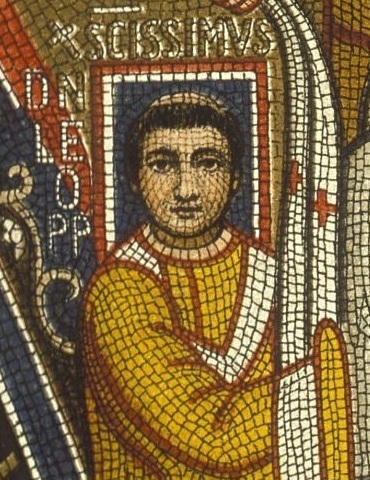
Their Story
Leo III arrived at the papacy as an outsider—a Roman of mixed heritage in a city of entrenched power. His early years as cardinal-priest of Santa Susanna taught him the Church's politics were as brutal as any battlefield. When he ascended to the throne in 795, he inherited not a position of power but a target on his back. The supporters of his predecessor Adrian I despised him. They saw him as an interloper, unworthy of Rome's highest office.
Then came the assault. In 799, enemies attacked Leo in the streets, beat him savagely, and left him for dead. Blinded and traumatized, stripped of his dignity, he faced an existential crisis: Could a man so violated still lead the Church? Doubt consumed him. Yet Leo refused to break. He fled to Charlemagne's court, seeking protection—a humbling act for any pope. Rather than retreat into bitterness, he chose strategic vision. He rebuilt his credibility through faith and intellect, gradually healing his wounds.
When Leo returned to Rome, he didn't seek revenge. Instead, he orchestrated one of history's pivotal moments: on Christmas Day 800, he crowned Charlemagne Holy Roman Emperor. This wasn't weakness—it was wisdom. By elevating the warrior-king, Leo transformed the Church's political reality, ensuring papal survival for centuries. He had transmuted his suffering into sacred strategy. The man who was nearly murdered became the architect of Christendom itself, proving that vulnerability, when coupled with vision, can reshape the world.
Why People Pray to Pope Leo III
People turn to Leo III when facing workplace betrayals, public humiliation, or enemies who seem unstoppable. He teaches us that trauma doesn't disqualify us from greatness—it can refine our purpose. In an age of online attacks and reputational threats, Leo shows that we can survive our attackers and build something enduring from the ruins of our shame. He intercedes for those learning to forgive their enemies and transform conflict into sacred work.
Lasting Impact
Leo III's coronation of Charlemagne established the template for Christian kingship in the West for over a thousand years. He preserved papal independence during Rome's darkest hours and demonstrated that spiritual leadership could flourish even amid violence and betrayal. His feast day remains celebrated as a reminder that our greatest trials often precede our greatest triumphs.