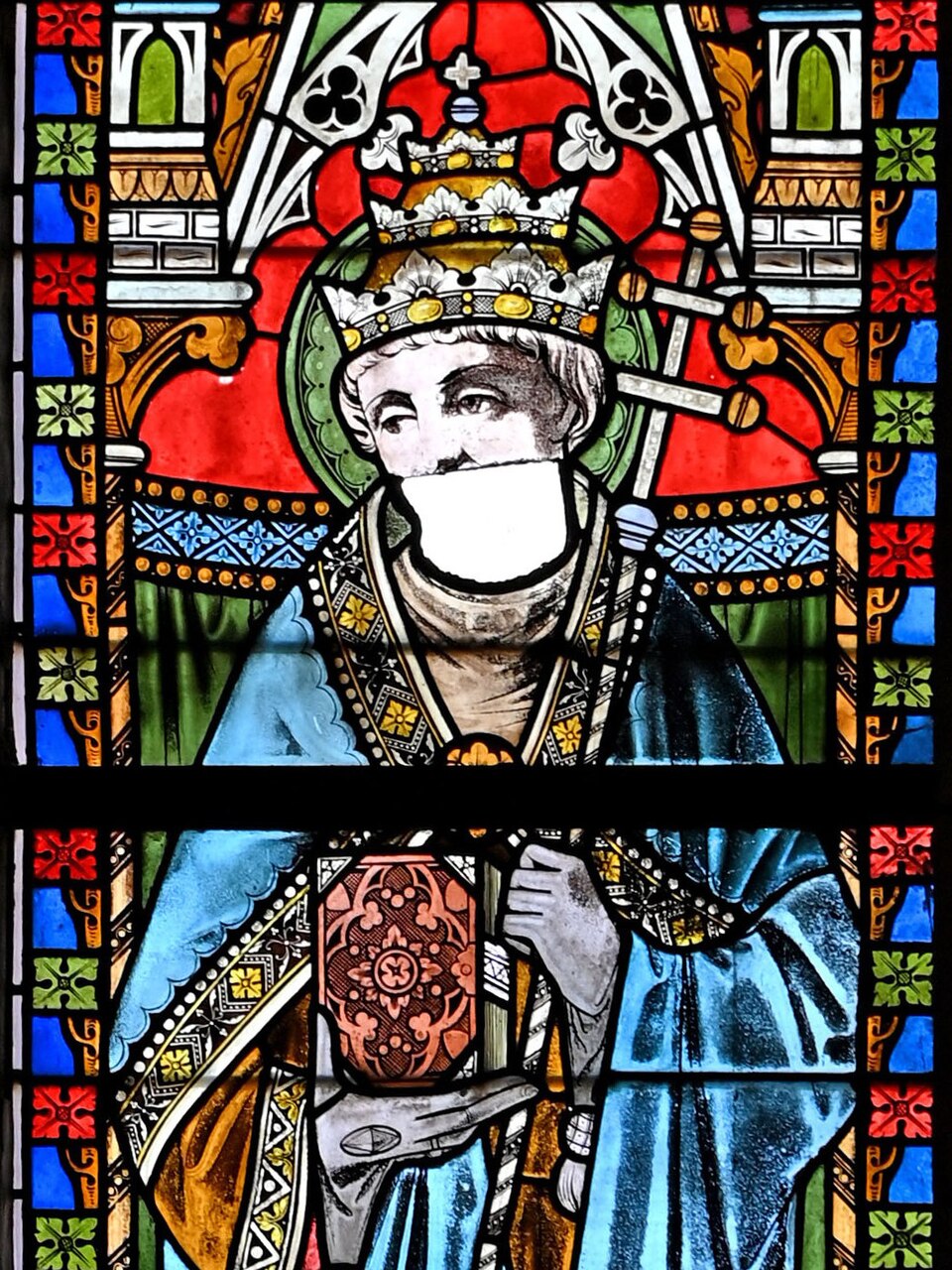
Their Story
Eugene I was an elderly priest living a quiet, unremarkable life in Rome when everything changed. His predecessor, Pope Martin I, had taken a bold stand against the Byzantine Emperor's religious policies—and paid dearly for it. In 653, Martin was brutally deposed, arrested, and exiled to the frozen edges of the empire, leaving behind a traumatized Church and a dangerous power vacuum.
For a year, Rome's leadership sat empty. Eugene likely wrestled with doubt and fear. The imperial court pressured Rome through its local officials, demanding a new pope who would be more... cooperative. The old priest faced an agonizing choice: speak prophetically like Martin and risk exile and death, or accept the role knowing compromise might be necessary. At an advanced age, with his predecessor suffering in distant exile, Eugene chose to step forward.
His three-year papacy (654-657) became a masterclass in navigating impossible politics without betraying conscience. Rather than escalate conflicts like Martin had, Eugene worked quietly to protect the Church, maintain communion with both Rome and Constantinople, and prevent further bloodshed. He didn't win every battle—doctrinal disputes raged on—but he kept Rome's faith alive through a dangerous transition. His legacy wasn't spectacular resistance; it was steady, faithful stewardship when the temptation to either surrender completely or burn everything down was overwhelming.
Why People Pray to Pope Eugene I
In our fractured age, Eugene speaks to those trapped between competing demands—professionals navigating corrupt systems, families divided by ideology, believers caught between faith communities. He teaches that sometimes holiness isn't loud resistance but faithful presence. People pray to Eugene when facing pressure to compromise their values, seeking wisdom to know when to hold firm and when to build bridges. He's the patron of those doing difficult administrative work quietly, keeping institutions together when they're falling apart.
Lasting Impact
Eugene I proved that quiet faithfulness matters as much as heroic resistance. He navigated the Byzantine Church's most volatile period without abandoning doctrine or causing unnecessary suffering. His three years of steady, compassionate leadership preserved Rome's spiritual independence during a time when it could have been lost entirely, influencing how the Church would handle political pressure for centuries to come.