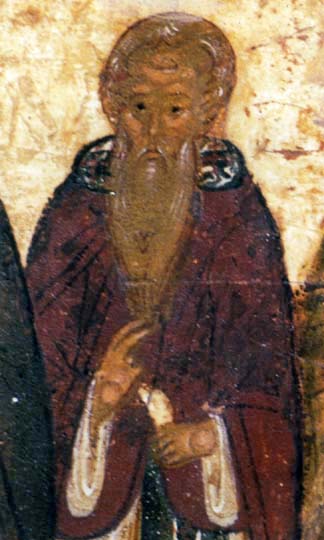
Their Story
In the heart of the Byzantine Empire, Plato of Sakkoudion began his journey as a minor official, living a life of privilege and influence. However, in 759, he felt a stirring in his soul that led him to abandon worldly pursuits to embrace the monastic life. This pivotal decision marked the beginning of a more profound calling. Turning away offers of leadership in the Church, Plato chose a path of humility and service, which ultimately led him to Mount Olympus in Bithynia.
In 783, he founded the monastery of Sakkoudion, becoming its first abbot. Here, he cultivated a community centered on prayer, art, and the defense of sacred imagery during the Byzantine Iconoclasm. Plato stood firm alongside his nephew, Theodore Stoudites, advocating for the veneration of icons. Their commitment to faith was further demonstrated when Plato participated in the Second Council of Nicaea, where he helped restore the importance of icons in Christian practice. His resolve did not falter even in the face of personal trials, including his opposition to the controversial marriage of Emperor Constantine VI to his niece, Theodote, showcasing his dedication to upholding moral integrity.
Why People Pray to Plato of Sakkoudion
Today, people turn to Plato of Sakkoudion for guidance in matters of faith, particularly when facing challenges to their beliefs. His life serves as a reminder that standing up for one's convictions, even in difficult times, can inspire strength in others. Many seek his intercession for courage to uphold their truths and for support in navigating personal and communal conflicts.
Lasting Impact
Plato of Sakkoudion is remembered as a steadfast defender of faith and art in a time of great turmoil. His monastery continues to be a symbol of resilience and devotion, inspiring countless followers to embrace their spiritual journeys and advocate for their beliefs.
Where Venerated
- Worldwide Roman Catholic Church