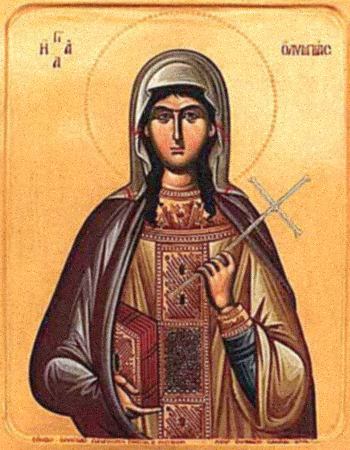
Their Story
Olympias inherited everything: noble bloodline, vast wealth, social standing in Constantinople's elite circles. Yet privilege became her prison. Born around 365 to a wealthy Greek rhetor, she was groomed for a life of comfort and conformity. But somewhere in her privileged isolation, she felt the emptiness of it all—the hollow glamour, the meaningless status, the isolation wrapped in silk.
When she encountered the Christian faith and the radical teachings of service, something broke open inside her. She didn't just believe—she *acted*. She became a deaconess, a shocking choice for a woman of her station, abandoning marriage and inheritance to work directly with the poor, the sick, and the forgotten. Her family was horrified. Society whispered. But Olympias pressed forward, using her administrative brilliance and her considerable resources to build networks of care across Constantinople and beyond.
She faced opposition from church leaders, exile from political powers, and crushing loneliness. Yet her letters reveal a woman transformed—not bitter, but luminous with purpose. She discovered that the wealth she'd feared defined her was actually her freedom. By releasing it, by choosing the margins over the mansion, she became truly powerful. Her legacy isn't measured in gold but in lives restored, communities rebuilt, and a revolutionary model of female leadership that still challenges us today.
Why People Pray to Olympias the Deaconess
Olympias speaks to anyone wrestling with privilege, purpose, and what really matters. In our age of endless accumulation, she models radical simplicity without shame. People turn to her when facing identity crises—when success feels hollow, when status traps you, when you're searching for meaningful work. She intercedes for women finding their voice in institutions that resist them, for those choosing service over security, and for anyone brave enough to ask: 'Is this all there is?'
Lasting Impact
Olympias pioneered the role of deaconess as a position of real spiritual authority and administrative power. She demonstrated that women could lead, decide, and shape the church's direction. Her correspondence with church fathers influenced doctrine and practice. Most profoundly, she proved that renunciation isn't loss—it's liberation. She remains the template for servant leadership.