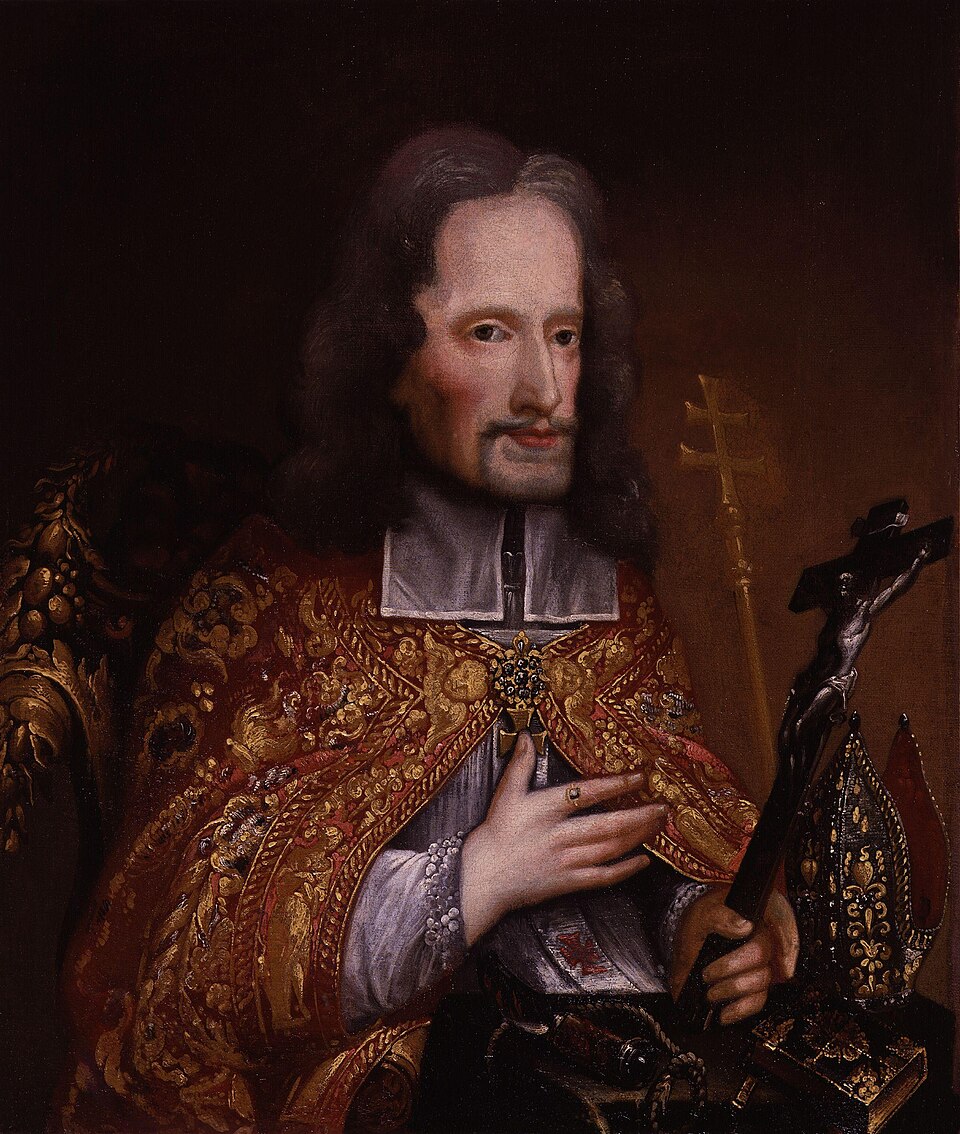
Their Story
Oliver Plunkett seemed destined for ease. Born into a wealthy Hiberno-Norman family in County Meath, he had every advantage—education, status, security. Yet comfort felt hollow. While his peers settled into privilege, Oliver felt a deeper calling pulling him toward priesthood. His family resisted; the times were treacherous. To be a Catholic priest in 17th-century Ireland was to live under a death sentence.
He pursued ordination anyway, studying abroad and returning to serve as Archbishop of Armagh—the highest Catholic office in Ireland. For years, he walked a razor's edge: rebuilding a shattered church, healing divisions among clergy, advocating for peace during violent religious persecution. He was diplomat, pastor, and bridge-builder rolled into one vulnerable human. His greatest strength was his refusal to abandon his flock, even as danger tightened around them.
Then came the Popish Plot of 1678—a fabricated conspiracy that ignited hysteria against Catholics. Falsely accused of treason, Oliver was arrested and tried in London. At 55, the man who had spent his life making peace faced execution. On July 1, 1681, he was hanged at Tyburn. His final act was forgiveness—he died praying for those who condemned him. In choosing martyrdom over apostasy, Oliver transformed his death into testimony. Three centuries later, he became the first new Irish saint in 700 years, canonized in 1975.
Why People Pray to Oliver Plunkett
In a fractured world, Oliver Plunkett represents the power of reconciliation without compromise. People pray to him when seeking courage to stand by conviction despite pressure, when working toward peace in hostile environments, and when facing persecution for faith. He's the patron of those building bridges between divided communities—his witness shows that peaceful resistance, grounded in forgiveness, can outlive the violence meant to destroy it. Modern activists, peacekeepers, and the persecuted find in him a saint who refused bitterness.
Lasting Impact
Oliver Plunkett's canonization in 1975 marked a turning point: the first Irish saint added to the Church in nearly seven centuries. His legacy extends beyond religion—he embodied the possibility of spiritual resistance without violence, of maintaining humanity amid inhumanity. His relics remain at Downside Abbey and Drogheda, where pilgrims seek his intercession for peace and reconciliation across Ireland and beyond.