Their Story
Methodios was born into privilege in Syracuse, groomed for success. His wealthy parents sent him to Constantinople with clear expectations: secure a prestigious court position, climb the imperial hierarchy, live comfortably. But something in the young man resisted. The glittering halls of power felt hollow. The endless political calculations exhausted him. Rather than chase advancement, he abandoned everything—his family's hopes, his social standing, his future—and entered a monastery in Bithynia.
This wasn't a peaceful retreat. Methodios spent decades in monastic obscurity, wrestling with doubt. Had he made the right choice? Was he throwing away his life? The political chaos of the Iconoclast crisis raged outside monastery walls while he struggled in silence with faith itself. But through prayer, fasting, and contemplative discipline, something shifted. His vulnerability became strength. His willingness to lose everything became his greatest gain.
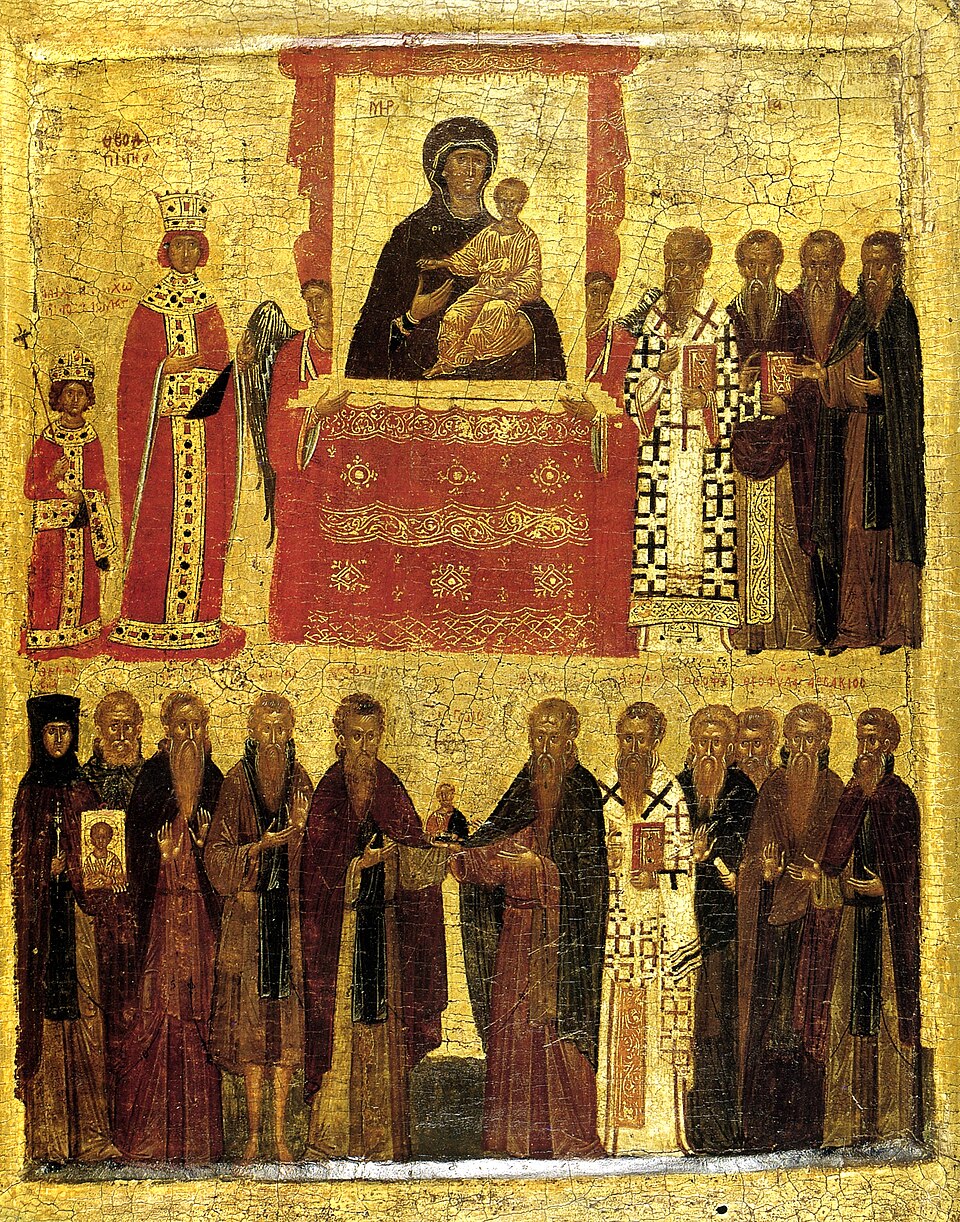
When the Church needed a shepherd in 843—during the triumphant restoration of icons—Methodios emerged from obscurity. In just four years as Patriarch, he guided Constantinople through its most sacred healing. He didn't arrive as a power-seeker; he arrived as a man who had already surrendered his will. That spiritual authority, earned through decades of hidden struggle, gave him the wisdom to lead with compassion rather than force. He died in office on June 14, 847, leaving behind a legacy of peaceful restoration.
Why People Pray to Methodios I of Constantinople
People turn to Saint Methodios when facing pressure to pursue worldly success at the cost of inner peace. He intercedes for those wrestling with vocational doubt, career ambition that feels spiritually empty, and the courage to walk away from 'security' toward authentic calling. Modern believers seek his patronage when discerning whether to abandon prestigious paths for deeper purpose—when facing the terrifying question: 'Is there more to life than achievement?'
Lasting Impact
Methodios became the spiritual symbol of the Triumph of Orthodoxy—the restoration of sacred icons in 843. His brief but decisive patriarchate proved that contemplative depth and political wisdom could coexist. He demonstrated that the monastic life produces leaders of moral authority, not retreat from responsibility. Both Eastern Orthodox and Catholic traditions venerate him as a saint whose surrender became service.