Their Story
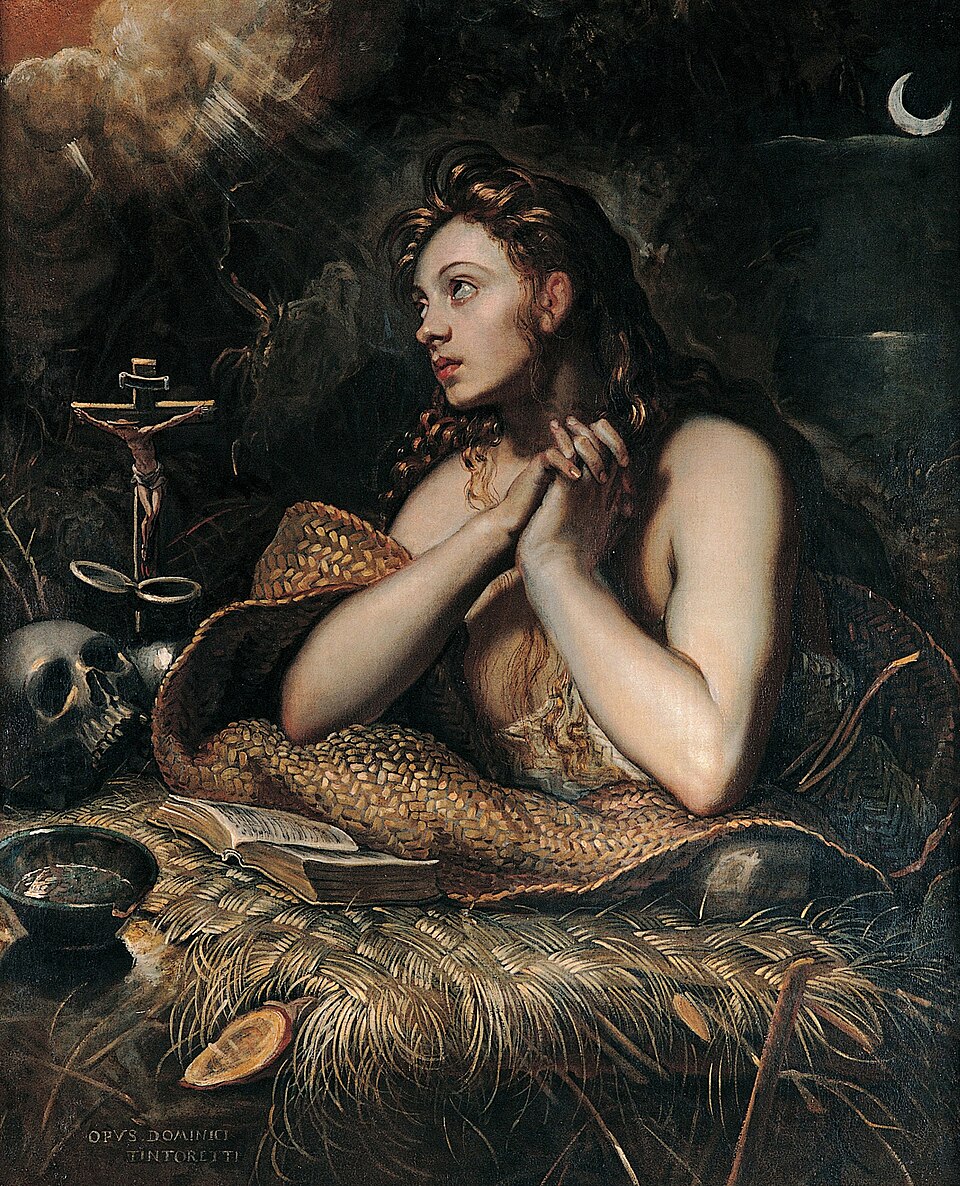
Mary Magdalene arrived at Jesus's feet as a woman society had already written off. Trapped in a life of exploitation and desperation, she carried the weight of being deemed unworthy—a woman marked by her past, invisible except when convenient. The shame was suffocating. But when she encountered Jesus, something shifted. He didn't see a sinner to condemn; he saw a person worthy of restoration.
This recognition undid her completely—not with judgment, but with mercy. She wept at his feet, anointing them with expensive perfume and her tears, a gesture so intimate it scandalized the righteous. In that moment, she risked everything: her remaining reputation, her safety, her pride. She became his devoted follower, witnessing his ministry when male disciples fled.
When darkness fell at Calvary, she stood witness to the crucifixion. When others hid in fear, she stayed. And in the predawn hours of resurrection morning, she was there first—the last at the cross, the first at the tomb. Jesus appeared to her before anyone else, calling her by name. She became the 'Apostle to the Apostles,' the first evangelist, commissioned to tell the world: He is risen.
Her transformation wasn't magical. It was the slow, courageous work of choosing to believe she was more than her worst moments. She traded shame for purpose, and became living proof that no one is beyond redemption.
Why People Pray to Mary Magdalene
In an age of cancel culture and unforgiving narratives, Mary Magdalene offers desperate hope to anyone haunted by their past. People pray to her when wrestling with shame, addiction, or the weight of others' judgment. She understands the exhaustion of being defined by failures. She's the patron of second chances—for converts seeking identity beyond their old lives, for those in recovery, for anyone brave enough to believe transformation is possible. Her story whispers: You are not your history. You are becoming.
Patron Saint Of
Lasting Impact
Mary Magdalene permanently shifted Christianity's understanding of redemption from punishment to possibility. Her feast day (July 22) is celebrated across Catholic, Orthodox, and Protestant traditions. She inspired centuries of art, literature, and spiritual devotion—a testament to her enduring power as the ultimate symbol of radical grace and human dignity reclaimed.
Where Venerated
- her role as the "apostle to the apostles" and patron of the Dominican Order, for whom _The Last Supper_ was painted