Their Story
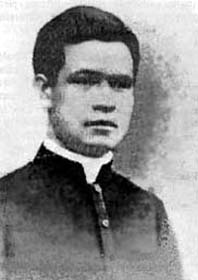
Margarito Flores García knew hunger before he knew hope. Born February 22, 1899, in Taxco de Alarcón, Guerrero, he spent his childhood laboring in fields to keep his impoverished family alive. His hands were calloused from work, not study. Yet at 15, something shifted—he entered seminary at Chilopie, a boy from the fields daring to dream of priesthood while the Mexican Revolution raged around him.
He was ordained just three years later on April 5, 1924, at only 25 years old. His first Mass at his hometown church felt like vindication—the farmboy had become a priest. Posted to the Chilpancingo-Chilapa diocese, Margarito threw himself into ministry with urgency. He wasn't content to say Mass in safety; he actively fought the spread of breakaway religious sects, defending his people's faith when the government itself had turned hostile to the Church.
But Mexico in 1927 was no place for a young priest of conviction. The religious persecution that had defined the Revolution reached its brutal crescendo. On November 12, 1927—just three years into his priesthood—Margarito was captured and executed in Tulimán. He was 28 years old. He died as he had lived: a defender of faith, a voice for the voiceless, a man who refused to abandon his calling even when it cost him everything. His canonization in 2000 recognized what his martyrdom had always declared—that some victories are won not through survival, but through sacrifice.
Why People Pray to Margarito Flores García
People turn to Saint Margarito today seeking courage during persecution and injustice. In times of religious hostility, political oppression, or when faith itself is under attack, his witness reminds us that conviction matters more than comfort. He intercedes for young priests, activists, and anyone choosing righteousness over safety—especially those in countries where faith still carries a death sentence.
Lasting Impact
Saint Margarito Flores García remains a symbol of Mexican Catholic martyrdom and youthful faithfulness. Canonized in 2000 by John Paul II, his shrine in Taxco draws pilgrims seeking witness to courageous faith. His short life—from farmboy to priest to saint—challenges modern believers to measure success not by longevity but by integrity.