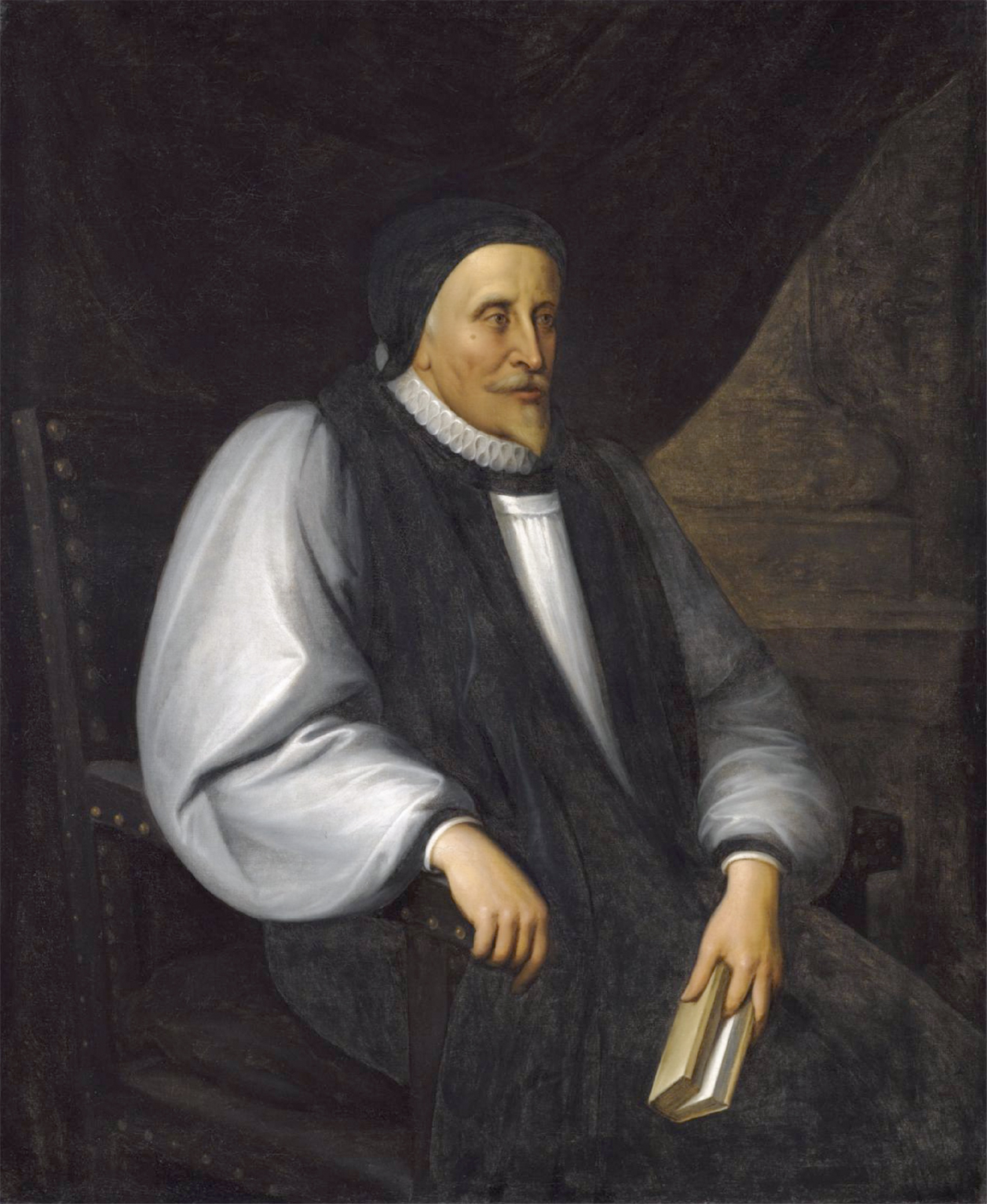
Their Story
Lancelot Andrewes arrived in the world hungry—for knowledge, for recognition, for mastery. A brilliant mind in a competitive medieval Church, he pursued theological learning with fierce ambition, believing that understanding doctrine deeply would unlock spiritual truth. Yet the more he studied, the more restless he became. His intellect, once his greatest asset, became a prison of endless questioning and self-doubt. He wrestled with the gap between what he knew and what he actually felt in his soul.
Then something shifted. Through decades of priestly ministry, Andrewes discovered an unexpected path: not aggressive study, but contemplative prayer. He began spending hours—sometimes the entire night—in silent communion with God, allowing scripture to work on his heart rather than his mind alone. His famous "Preces Privatae" (Private Devotions) reveal a man transformed from intellectual showman into spiritual depths, praying with such tenderness and vulnerability that even hardened clergy wept reading his words. He learned that holiness wasn't about winning theological arguments, but about genuine encounter—meeting God not as a problem to solve, but as a presence to receive. By his death in 1415, Andrewes had become precisely what his younger self would have despised: a mystic who trusted silence more than sermons, presence more than precision. Yet this surrender became his greatest gift to the Church.
Why People Pray to Lancelot Andrewes
People turn to Lancelot Andrewes when ambition has left them spiritually empty—when success feels hollow and constant striving has exhausted the soul. Modern professionals recognize themselves in his journey: the overachiever learning to rest, the perfectionist discovering grace, the mind-dominated person awakening to the heart. His Preces Privatae offers language for intimate, honest prayer that honors both doubt and devotion. He teaches that intellectual faith is incomplete without contemplative depth.
Lasting Impact
Andrewes became a foundation stone for Anglican spirituality, his private prayers shaping centuries of Christian practice. His work bridged medieval mysticism and Reformation theology, proving that rigorous scholarship and profound prayer need not conflict. His influence ripples through liturgy, devotional writing, and the contemplative Christian tradition—a reminder that transformation often arrives quietly, through patience rather than achievement.