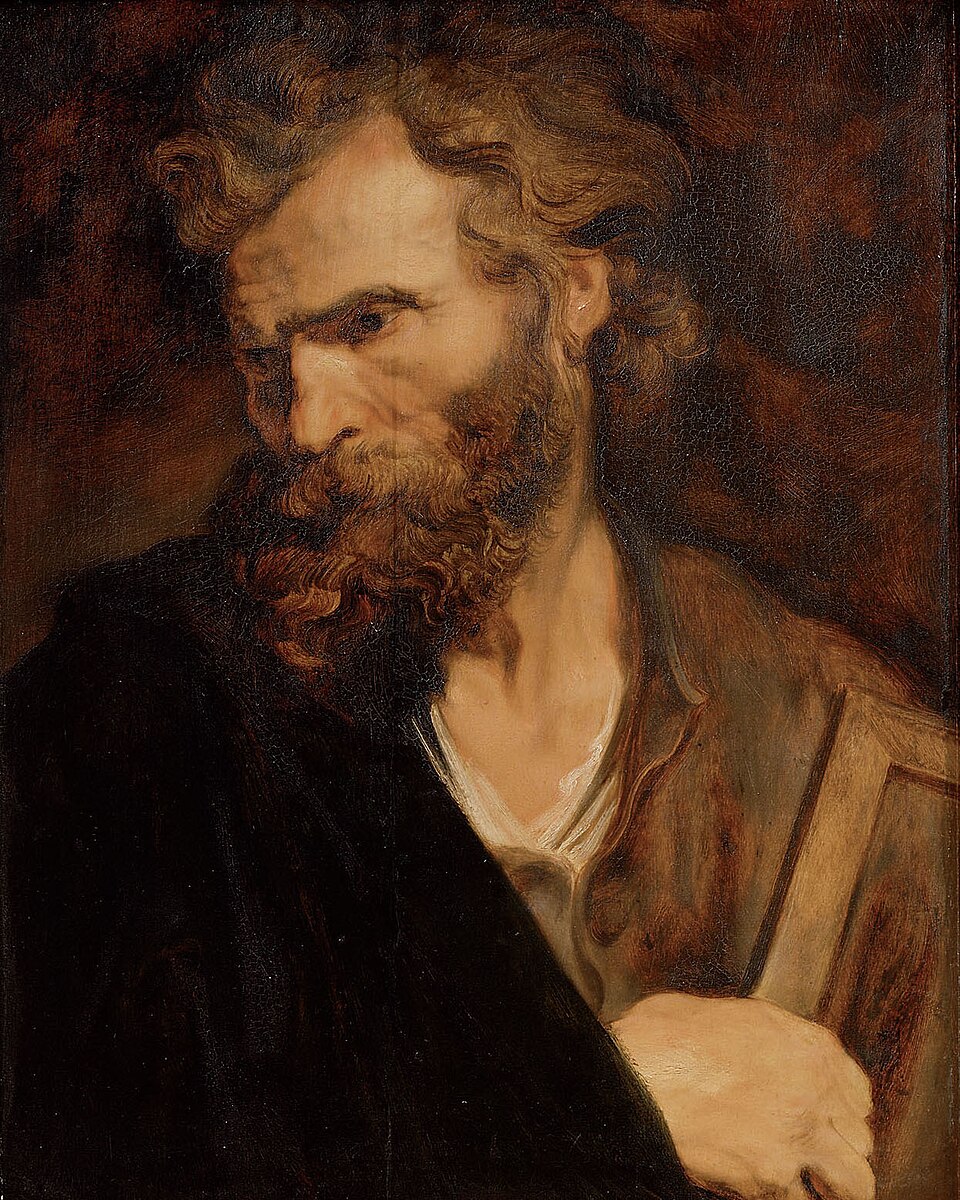
Their Story
Jude lived in the shadow of his own name. Constantly confused with Judas the betrayer, he carried a burden of mistaken identity that would follow him through history. Among the Twelve, he remained largely silent—not by choice, but by circumstance. While Peter preached boldly and John wrote theology, Jude watched from the margins, wrestling with the very human question: "Does my presence matter if no one remembers my name?"
His obscurity bred doubt. How could a man with no recorded miracles, no famous sermons, no dramatic conversion story convince others to follow an impossible path? Yet this very invisibility became his greatest strength. Jude understood what it meant to feel forgotten, unseen, abandoned. When Jesus called him to witness the resurrection and preach to hostile lands—likely to Persia and beyond—Jude went without fanfare or promise of recognition.
There's a strange power in accepting your smallness. Jude became the apostle of desperate causes precisely because he'd lived them. He didn't preach from a position of certainty; he preached from lived experience of doubt transformed into faith. His epistle, written late in life, burns with urgency and hard-won wisdom about holding onto hope when the world crumbles. Tradition says he was martyred for spreading this radical message: that the overlooked, the forgotten, the "impossible" cases are exactly where God works.
Why People Pray to Jude the Apostle
In our age of infinite visibility and forgotten relevance, Jude speaks to the desperate. People pray to him when diagnoses seem terminal, when situations appear hopeless, when they feel invisible despite constant connection. He's the saint for job losses, failed ventures, relationships given up for dead, and prayers no one else will voice. Jude teaches us that impossibility isn't God's limit—it's His canvas.
Patron Saint Of
Lasting Impact
Jude transformed obscurity into sanctity. He proved that a life lived faithfully in the shadows carries the same weight as one lived in the spotlight. His patronage of impossible causes remains Christianity's quiet rebellion against despair, reminding generations that the forgotten apostle knows their names better than anyone.