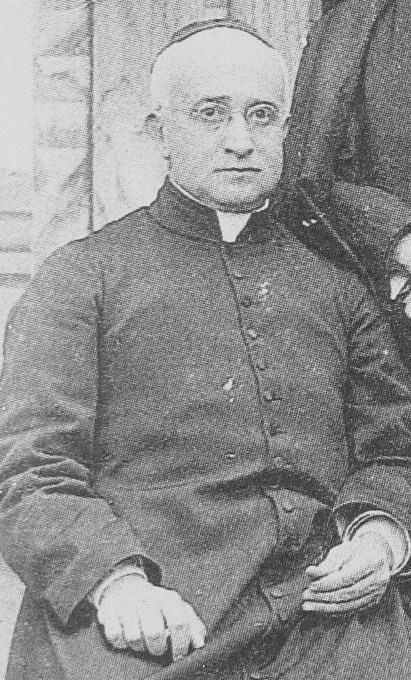
Their Story
José María de Yermo y Parres was born into a world of privilege in 1851 Jalmolonga, but this comfort became his prison. As a young priest, he made vows with the Congregation of the Mission, seeking security in a structured religious life. Yet something gnawed at him—a restlessness that no rule or ritual could silence. The poor he passed in Mexico's streets haunted his prayers. By his thirties, the vocational crisis came like a breaking wave. He abandoned his vows, terrified and uncertain, facing judgment from those who saw him as a failure. His community questioned his faith. He questioned it too.
But failure became his doorway. Free from institutional constraints, José María launched into the streets of Puebla with nothing but compassion and a radical vision: create a community dedicated entirely to the Sacred Heart's work among the abandoned. In 1881, he founded the Servants of the Sacred Heart of Jesus and of the Poor. No grand buildings. No theological debates. Just his hands washing the wounds of the destitute, feeding orphans, sheltering the sick when society turned away. He lived as they lived—poor with the poor. His order grew not through recruitment, but through contagion: people witnessed love in action and could not resist joining it. By the time he died in 1904 at just 52, exhausted by his own sacrificial service, he had transformed hundreds of lives and created a spiritual movement that outlasted him.
Why People Pray to José Maria de Yermo y Parres
People turn to José María today when wrestling with their own vocational crises—when the comfortable path feels wrong, when they sense a deeper calling tugging at their soul. He intercedes for those working in social justice, especially among the marginalized and forgotten. In our age of anxiety about "finding purpose," his life whispers a truth: sometimes we must quit what we thought we wanted to discover what we were actually born to do. He also patronizes those serving the poor, offering strength when compassion exhausts.
Lasting Impact
José María's legacy transformed Catholic social action. The Servants of the Sacred Heart of Jesus and of the Poor continues his work across continents, proving that one abandoned priest's radical love can reshape how the Church serves humanity. He was beatified in 1990 and canonized in 2000, cementing his witness that holiness lives not in perfection, but in faithful presence with the forgotten.