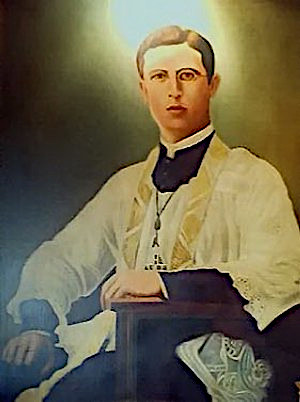
Their Story
José María Robles Hurtado was born into faith but had to choose it himself. Entering seminary at just twelve years old in Guadalajara, he faced the immense pressure of a young man discerning his entire life's calling in an institution designed to test conviction. By 25, he was ordained—but ordination wasn't the end of his struggle; it was the beginning. In early 20th-century Mexico, priests were tolerated but constrained. Laws restricted their work. Society demanded caution. Yet José María felt something burning inside him: an overwhelming love for the Sacred Heart of Jesus that refused to be quiet.
He became known as the 'Madman of the Sacred Heart'—a name born from his refusal to play it safe. While other priests maintained distance, José María threw himself into the lives of his parish. He spent hours hearing confessions. He cared for the sick with his own hands. He wrote prolifically to spread the faith illegally. He founded the Sisters of the Sacred Heart of Jesus. His fervency wasn't polished or institutional—it was radical, consuming, almost reckless in its devotion. Some called him mad. He called it love.
When the Cristero War erupted, persecution intensified. Many priests fled. José María stayed. On June 26, 1927, at just thirty-nine years old, he was martyred in Quila, Jalisco—killed not despite his intensity, but because of it. His 'madness' had become prophetic witness. The 'Madman of the Sacred Heart' had finally given everything.
Why People Pray to José María Robles Hurtado
People pray to José María today when they feel called to something radical but uncertain—when their passion seems excessive to others, when their faith demands more than comfort allows. He intercedes for those persecuted for their beliefs, for religious workers in hostile environments, and for anyone struggling to live authentically when the world demands compromise. In an age of cautious faith, he reminds us that true devotion sometimes requires appearing mad.
Lasting Impact
José María Robles Hurtado remains a symbol of uncompromising faith and martyrial witness. Canonized in 2000, his shrine in Tecolotlán draws pilgrims seeking courage. He teaches that radical love—dismissed as madness by the world—can transform entire communities and echo through generations, inspiring others to follow with their whole hearts.
Where Venerated
- Roman Catholic Church