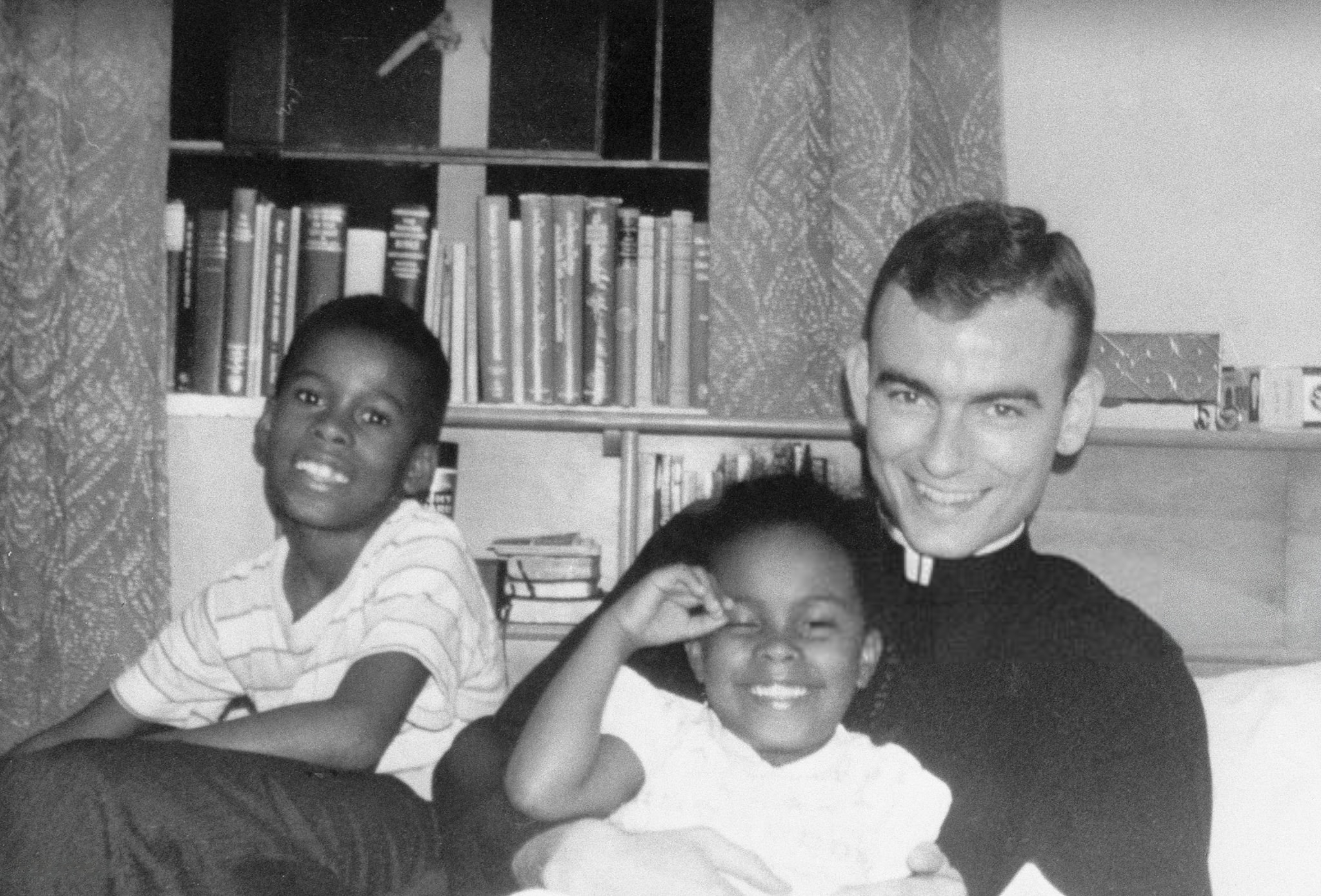
Their Story
Jonathan Myrick Daniels walked a path marked by profound questioning before finding his calling. Born to privilege in New Hampshire, this valedictorian entered Harvard's halls seeking intellectual certainty. Yet doubt shadowed his early faith—his father's death and sister's illness during his formative years shattered easy answers about God's presence.
But something shifted. The young man who wrestled with belief encountered the civil rights movement's urgent moral clarity. As an Episcopal seminarian, Jonathan felt Christ's call not in comfortable sanctuary but on Alabama's brutal back roads. In the summer of 1965, he joined the fight for voting rights in Lowndes County, standing alongside Black activists in a landscape hostile to their dignity.
On August 20th, that commitment crystallized into eternity. When a racist mob threatened 17-year-old Ruby Sales, Jonathan stepped between her and violence. A gunshot claimed his 26-year-old life—but not before he transformed her future.
His death rippled outward. The seminarian's sacrifice awakened consciences and strengthened the movement he'd died defending. In 1991, the Episcopal Church recognized Jonathan as a martyr, his feast day celebrated each August 14th. He became patron of the Diocese of Alabama, a mystical witness to what love costs when it refuses to hide.
Jonathan's journey reveals a sacred truth: holiness often emerges not from those who never doubted, but from those who let doubt lead them toward justice.
Why People Pray to Jonathan Myrick Daniels
Pilgrims pray to Jonathan Daniels when facing moral crossroads requiring courage they don't possess. They seek his intercession for protection of the vulnerable, for strength to resist hatred, and for clarity when faith seems distant. His witness—that love sometimes demands everything—continues inspiring those who long to live with authentic conviction despite personal cost.
Lasting Impact
Jonathan Myrick Daniels' martyrdom accelerated the civil rights movement's moral momentum while establishing an enduring model of faithful activism. His sacrifice demonstrates that sanctity emerges through radical solidarity with the oppressed, not retreat from the world's suffering. Nearly sixty years later, his witness invites each generation to measure their faith by their willingness to protect others.