Their Story
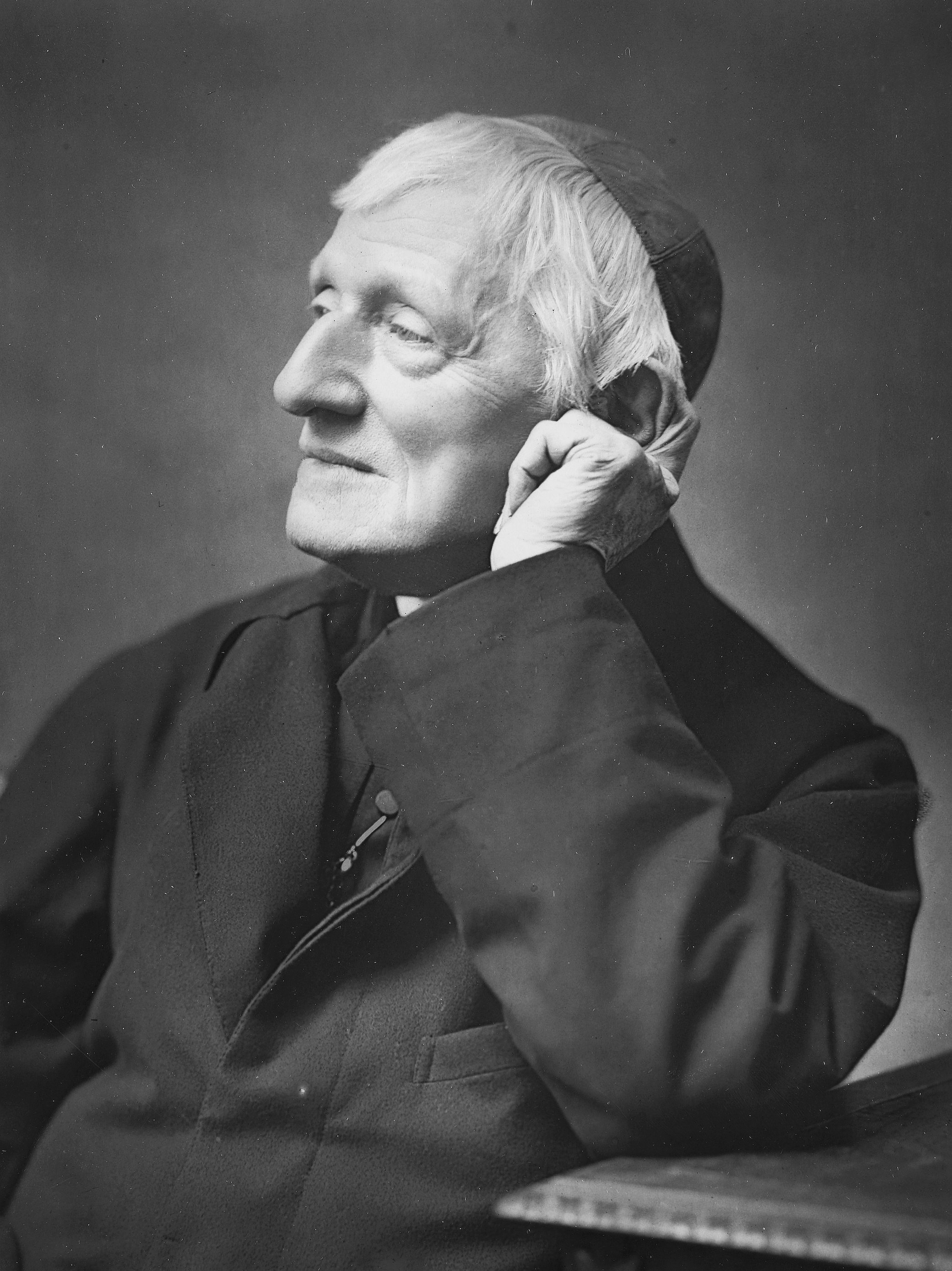
John Henry Newman was a prodigy—brilliant, ambitious, destined for academic glory at Oxford. Yet beneath his success lurked a corrosive doubt. Raised Protestant, educated in the rigorous intellectual traditions of 1820s England, Newman felt torn between the faith of his childhood and the demands of his razor-sharp mind. He wanted certainty, but found only questions.
For two decades, Newman climbed the ladder of respectability. He became a Fellow at Oriel College, a celebrated preacher, a leader of the Oxford Movement—all while experiencing profound inner turbulence. The more he studied church history, the more he questioned his Anglican faith. His friends were baffled. His superiors grew suspicious. In 1845, at age 44, Newman made the scandalous decision to convert to Catholicism, abandoning his position, his social standing, everything.
But this wasn't escape—it was arrival. Newman spent the next 45 years writing, teaching, and building the Birmingham Oratory into a center of Catholic intellectual life. He proved that faith and reason weren't enemies; they were partners in pursuing truth. His famous motto—*Cor ad cor loquitur* (Heart speaks to heart)—captured his hard-won wisdom: real knowledge moves through the entire person, not just the mind. By his death in 1890, Newman had become a Doctor of the Church, recognized as one of Christianity's greatest thinkers precisely because he'd learned to think *and* feel.
Why People Pray to John Henry Newman
Newman speaks to the modern seeker caught between doubt and faith, intellect and belief. Professionals struggling with questions about meaning, students wrestling with competing worldviews, and anyone who's felt isolated for changing their mind turn to Newman. He models the courage to follow truth wherever it leads, even when it costs everything. People pray to him for clarity when faith feels intellectually impossible, and for permission to evolve spiritually without shame.
Patron Saint Of
Lasting Impact
Newman transformed how the Church understands faith and reason, proving they illuminate each other rather than conflict. He championed Catholic education as formation of the whole person—mind, heart, and spirit. His writings remain essential reading for anyone seeking to integrate intellectual rigor with spiritual depth. He was canonized in 2019, recognized finally as the saint the doubters, seekers, and changed minds have always known him to be.