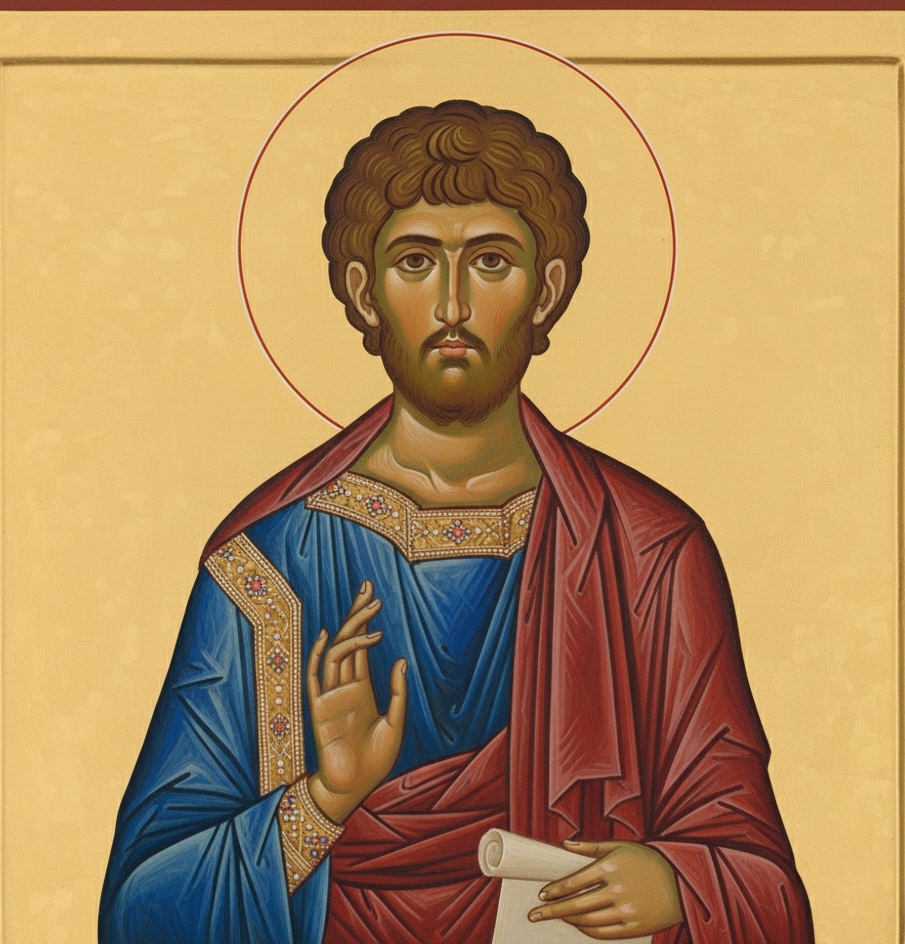
Their Story
Jason of Thessalonica faced an impossible choice, and everything he'd built hung in the balance. As a respected Jewish citizen in a thriving Greek city, he had security, standing, and a place in his community. But when Paul arrived preaching about Jesus, something shifted inside him. The message pierced through everything he'd been taught. Yet accepting it meant risking everything—his family's reputation, his business, his safety.
When Paul and Silas came to Thessalonica, angry Jews saw them as blasphemers threatening the faith. Unable to find the apostles themselves, the mob turned on Jason—the man foolish enough to welcome them. Dragged before city authorities, accused of harboring heretics, Jason stood alone. He could have denied knowing them. He could have turned them out to save himself. Instead, he took the fine. He took the shame. He took the consequences.
But this wasn't naive sacrifice—it was revolutionary love. Jason's act of defiance cracked something open in Thessalonica. His willingness to be marked, fined, and despised became a testimony louder than any sermon. Paul later called him by name among the beloved, a "countryman" and trusted ally. Jason transformed from an ordinary businessman into a pillar of the early church, not through miraculous powers or dramatic visions, but through one terrifying decision to harbor love when hatred demanded action.
Why People Pray to Jason of Thessalonica
We pray to Jason when we face pressure to abandon our values for comfort or acceptance. In workplaces that compromise ethics, families that demand conformity, or societies that punish conscience, Jason reminds us that integrity often requires paying a price—and that price is always worth paying. He intercedes for anyone courageous enough to stand alone.
Lasting Impact
Jason's legacy is quiet but unshakeable: he proved that ordinary people, in ordinary moments, can reshape spiritual history through radical hospitality and moral courage. His house became a sanctuary, his sacrifice a seed. Twenty centuries later, he remains the patron of those who choose people over power, conscience over comfort.