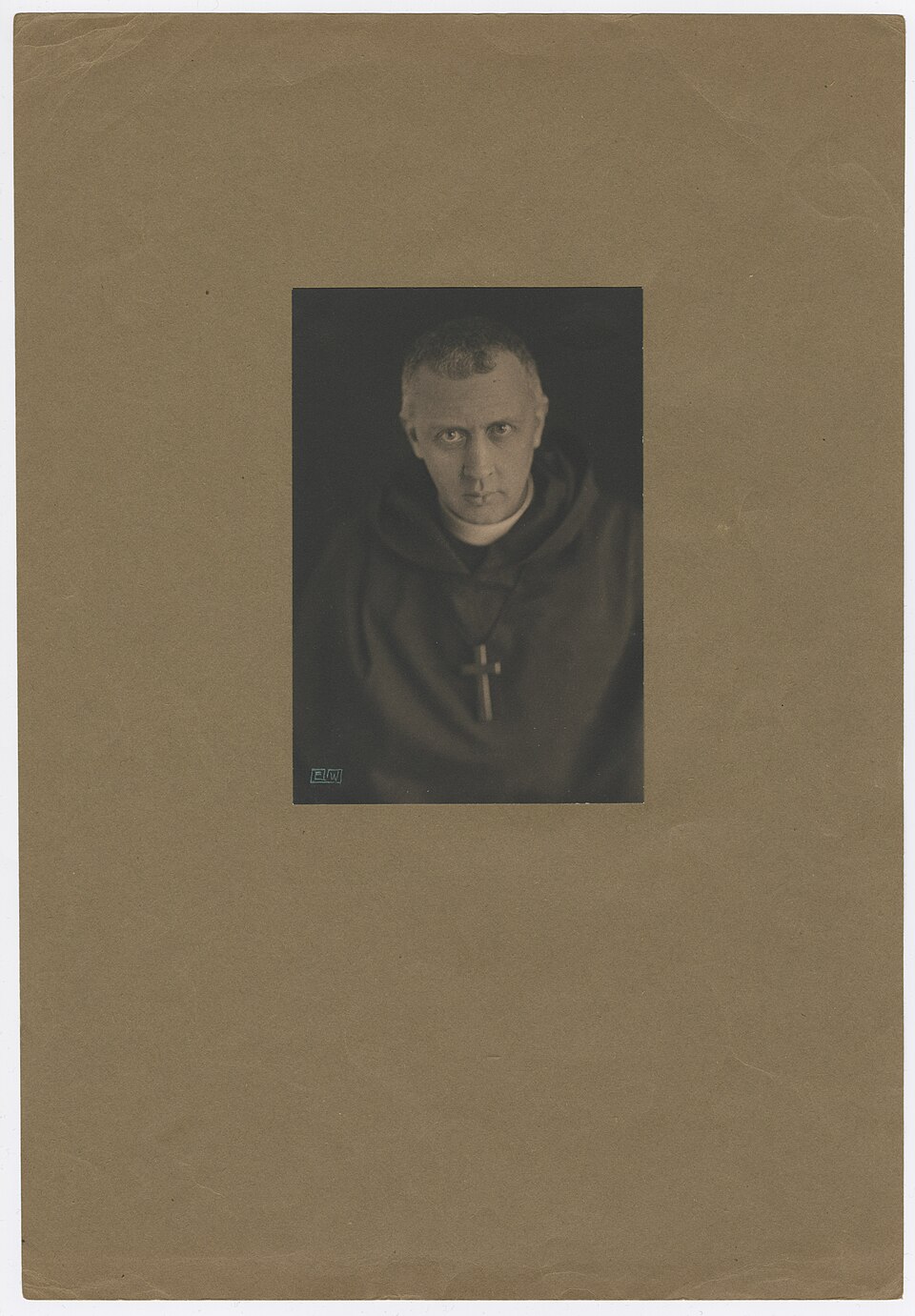
Their Story
James Otis Sargent Huntington was born into privilege—the son of a prominent Episcopal bishop, educated at elite institutions, groomed for a comfortable parish ministry. Yet something gnawed at him. While his father rose through ecclesiastical ranks and Boston society welcomed him, James felt the weight of invisible suffering beyond those gilded walls. Working-class congregations opened his eyes to a spiritual crisis: the Church had abandoned the poor.
In 1884, Huntington made a radical choice that mystified his family. He took monastic vows of poverty, chastity, and obedience—rejecting the career trajectory his birth promised. This wasn't romantic monasticism; it was deliberate self-emptying. He founded the Order of the Holy Cross, a Benedictine community committed to manual labor and serving marginalized communities. While other priests theorized about social reform from rectory studies, Huntington lived it—working alongside laborers, sharing their struggles, proving that the Gospel's radical demands were still possible in the modern age.
For fifty years, he transformed a remote monastery into a beacon of incarnational faith. His vows weren't escape; they were engagement. He showed that surrendering worldly security unlocks a freedom no inheritance can buy. Huntington died in 1935, having demonstrated that true priestly authority comes not from rank, but from proximity to those the world forgets.
Why People Pray to James Otis Sargent Huntington
People turn to James Huntington when wrestling with questions of authenticity and sacrifice. In a world that promises fulfillment through accumulation, his radical poverty stands as prophetic witness. Those struggling with vocational doubt, those called to justice work, those wondering if their faith is performative rather than real—they find in Huntington a saint who lived the answers. His legacy invites us to ask: What am I clinging to that prevents me from serving others fully?
Lasting Impact
James Huntington's Order of the Holy Cross endures as a living testimony to contemplative activism. He bridged the false divide between prayer and social justice, proving monks could be prophets. His example shaped Episcopal monasticism and inspired generations to believe that abandoning privilege for service isn't loss—it's liberation. He remains a patron of those seeking to align their faith with their daily choices.